
Monteagudo
metrics 2024
Cultivating a Platform for Artistic and Linguistic Innovation
Introduction
Monteagudo, published by UNIV MURCIA, is an important academic journal dedicated to the fields of Arts and Humanities, particularly focusing on Literature, Literary Theory, Visual Arts, and Linguistics. Since its inception in 2019, it has aimed to provide a scholarly platform for innovative research and critical discourse within these disciplines. With an ISSN of 0580-6712 and an E-ISSN of 1989-6166, the journal seeks to enhance the visibility of emerging ideas and methodologies, while fostering an inclusive academic dialogue. Although Monteagudo does not currently offer Open Access options, its significance is reflected in its Scopus rankings, which position it within the 14th to 32nd percentile across various categories. With its operations based in the heart of Murcia, Spain, the journal is poised to influence both regional and international scholarly conversations, making it an essential resource for researchers, professionals, and students aiming to expand their understanding of contemporary issues in Arts and Humanities.
Metrics 2024
 -0.200.10-
Metrics History
Rank 2024
Scopus
JCI (Web Of Science)
Quartile History
Similar Journals
Letras-Lima
Connecting scholars through cultural exchange.Letras-Lima is a prestigious open-access journal published by the Universidad Nacional Mayor de San Marcos in Peru, dedicated to advancing the fields of Arts and Humanities, Cultural Studies, Linguistics, and Literature. Since its transition to open access in 2003, it has established itself as a vital resource for scholars and practitioners alike, aiming to foster intellectual discourse and cultural exchange across disciplines. The journal boasts a commendable impact factor, with a range of Q2 to Q4 quartiles within its respective categories for 2023, reflecting its commitment to quality and relevance. Notably, it holds a significant role in promoting literature and literary theory, currently ranking 240 out of 1,106 in the category, indicating it occupies the 78th percentile of publications in its field. Addressing the complexities and nuances of language and culture, Letras-Lima serves as an essential platform for researchers, professionals, and students seeking to disseminate and engage with transformative ideas that shape our understanding of society and identity.

Revue Italienne d'Etudes Francaises
Exploring the Rich Tapestry of French StudiesRevue Italienne d'Etudes Francaises, published by SEMINARIO FILOLOGIA FRANCESE, is a pivotal open access journal dedicated to the exploration and analysis of French studies within the broader context of history, linguistics, and literary theory. Since its inception in 2011, this journal has fostered scholarly dialogue and critical discourse, offering a platform for researchers, professionals, and students alike to disseminate their work and engage with contemporary issues in these fields. With an ISSN and E-ISSN of 2240-7456, the journal has established itself within the academic community, although it currently ranks in the lower quartiles across various disciplines, as indicated by its Scopus metrics. Nevertheless, the Revue Italienne d'Etudes Francaises remains an essential resource for those seeking to deepen their understanding of Francophone literature, culture, and linguistic dynamics from its base in Rome, Italy, at C/O Fondazione Primoli. As the field of French studies continues to evolve, this journal plays an important role in highlighting the latest research findings and theoretical advancements.
NEOPHILOLOGUS
Connecting Scholars through Linguistic and Literary ExcellenceNEOPHILOLOGUS, published by Springer, stands as a pivotal journal in the fields of Linguistics and Language as well as Literature and Literary Theory. With an illustrious history dating back to 1916 and continuing through various phases until 2024, this journal has entrenched itself as a crucial platform for scholarly discussion and research dissemination. NEOPHILOLOGUS is recognized for its high academic standards, as evidenced by its impressive category quartiles, ranking in the Q2 tier for Linguistics and Language and Q1 for Literature and Literary Theory as of 2023. Notably, it ranks in the 81st percentile for Arts and Humanities in the Scopus database, underscoring its significant contribution to the humanities discourse. While the journal does not currently offer open access options, it remains a valuable resource for researchers, professionals, and students seeking in-depth analyses and insights within its specialized domains. Based in Dordrecht, Netherlands, NEOPHILOLOGUS invites contributions that advance our understanding of linguistic and literary phenomena, ensuring its relevance and impact in these dynamic fields.
RESEARCH IN AFRICAN LITERATURES
Fostering Interdisciplinary Insights in African StudiesRESEARCH IN AFRICAN LITERATURES is a prestigious peer-reviewed journal published by Indiana University Press, dedicated to the critical exploration of African literary traditions, cultures, and texts. With an ISSN of 0034-5210 and an E-ISSN of 1527-2044, this journal stands out in the field of literature and literary theory, currently ranking in the 80th percentile of its category according to Scopus, making it a significant platform for scholars and researchers alike. Since its establishment, the journal has evolved through converged volumes from 2002 to 2024, consistently fostering innovative discourse and interdisciplinary approaches that illuminate the complexities of African narratives. Although it does not offer open access, the journal is integral for anyone engaged in African studies, providing critical insights that are essential for understanding the broader implications of literature within diverse cultural contexts. The journal's commitment to high standards of scholarship is reflected in its Q3 quartile ranking and its influential contribution to contemporary literary dialogue.

Materiali e Discussioni per l Analisi dei Testi Classici
Elevating the Study of Classical LiteratureMateriali e Discussioni per l'Analisi dei Testi Classici is a distinguished academic journal published by Fabrizio Serra Editore that focuses on the rich field of Classics and Literature, serving as a vital platform for scholarly discourse and research. Featuring ISSN 0392-6338 and E-ISSN 1724-1693, this journal has been actively publishing since 2009, with a dedicated effort to analyze classical texts and foster critical discussions among academics and students alike. Although the journal operates without an open access model, it is recognized for its significant contributions, evidenced by its ranking in the third quartile (Q3) in both the Classics and Literature categories as of 2023. This places it among the notable outlets for literary and classical scholarship, with Scopus ranks highlighting its ongoing influence in these fields. Based in the heart of Italy, in Pisa, the journal not only enriches the academic community but also provides an essential resource for those engaged in the profound study of classical literature, inviting contributions that challenge and expand current knowledge and methodologies.

Eixo e a Roda-Revista de Literatura Brasileira
Celebrating the Vibrancy of Brazilian Literary VoicesEixo e a Roda-Revista de Literatura Brasileira is a pioneering academic journal dedicated to the exploration and dissemination of Brazilian literature, published by the Federal University of Minas Gerais, Faculty of Letters. Since its inception in 1982, this Open Access journal has provided a vital platform for researchers, educators, and enthusiasts to share innovative ideas and critical analyses related to Brazilian literary studies. With its ISSN 0102-4809 and E-ISSN 2358-9787, the journal attracts a diverse readership and invites submissions that contribute to the richness of Brazilian cultural discourse. Located in Belo Horizonte, Brazil, the journal plays a critical role in advancing scholarly dialogue and promoting accessibility in literature research, fostering an inclusive environment for academic exchange.

Romanic Review
Pioneering Insights in Romance Language ScholarshipThe Romanic Review, published by Duke University Press, stands as a significant scholarly platform in the field of Romance languages and literature. With its ISSN 0035-8118 and E-ISSN 2688-5220, this journal has been serving the academic community since its inception and will continue its contribution until 2024. Situated in the United States, it has carved out a vital niche in the Arts and Humanities, currently falling within the Q3 quartile as per the 2023 rankings. Although it operates under a traditional subscription model, its focus on disseminating critical and innovative research makes it an indispensable resource for scholars and students alike. The Romanic Review is dedicated to fostering academic discussions that bridge interdisciplinary gaps, making it a cornerstone reference for anyone engaged in the study of Romance cultures, linguistics, and literary studies.
Journal for Eighteenth-Century Studies
Bridging Disciplines through Eighteenth-Century ScholarshipThe Journal for Eighteenth-Century Studies, published by WILEY, serves as a pivotal platform for scholars in the intersecting fields of cultural studies, history, literature, and the visual and performing arts. With an ISSN of 1754-0194 and an E-ISSN of 1754-0208, this journal reflects a rich tradition of academic discourse dating back to its inception in the 1970s, with converged years indicating its long-standing relevance within the academic community through to 2024. Categorized in the Q3 Quartile across several disciplines in 2023, it holds commendable Scopus rankings, notably being in the 74th percentile for Literature and Literary Theory. Despite not being an Open Access journal, its impact factor and scholarly contributions make it a valuable resource for researchers, professionals, and students committed to exploring the complexities of the eighteenth century. The journal aims not only to disseminate research but also to foster interdisciplinary dialogue, making it an essential read for anyone passionate about this transformative period in history.

WELT DER SLAVEN-HALBJAHRESSCHRIFT FUR SLAVISTIK
Innovating Research in Slavic Languages and LiteratureWelt der Slaven-Halbjahresschrift fur Slavistik is a distinguished academic journal dedicated to the field of Slavic studies, published by Harrassowitz Verlag. With a focus on the rich tapestry of Slavic languages, literature, and cultural theory, this journal provides a vital platform for scholars, researchers, and students interested in the complexities of Slavic linguistics and literary expression. It operates on a semi-annual basis, encompassing converged years from 2002 to 2015 and continuing from 2017 to 2024, ensuring a continuous dialogue in an evolving academic landscape. Despite its Q4 and Q3 rankings in various categories—such as Linguistics and Language, Literature and Literary Theory, and Visual Arts and Performing Arts—its impact is noteworthy, with Scopus ranks that place it within the upper percentiles of arts and humanities fields. While currently not an open access publication, it remains an essential resource for those engaged in the interdisciplinary exploration of Slavic cultures and their global significance. The journal emphasizes innovative research and critical analysis, making it a key contribution to the ongoing discourse in Slavistics.
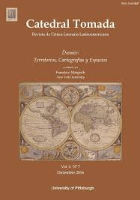
Catedral Tomada-Revista de Critica Literaria Latinoamericana-Journal of Latin American Literary Criticism
Unveiling the Rich Tapestry of Latin American VoicesCatedral Tomada - Revista de Crítica Literaria Latinoamericana is a pioneering journal dedicated to the exploration and critique of Latin American literature and its broader cultural implications. Published by the University of Pittsburgh's Library System, this Open Access journal has been instrumental since its launch in 2013 in making scholarly discussions accessible to a wider audience. With an ISSN of 2169-0847, the journal serves as a vital platform for researchers, professionals, and students interested in Literature and Literary Theory, Cultural Studies, and Linguistics and Language. Its esteemed ranking places it in Quartile 1 for Literature and Literary Theory and Quartile 2 for the other categories, underlining its commitment to high-quality academic discourse. Converging insights through a quarterly publication schedule from 2019 to 2024, Catedral Tomada aims to foster a rich dialogue on Latin American literary criticism, encouraging innovative perspectives and diverse voices within the field.