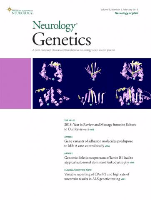
Neurology-Genetics
metrics 2024
Advancing the Intersection of Mind and Genes.
Introduction
Neurology-Genetics, an esteemed journal published by LIPPINCOTT WILLIAMS & WILKINS, is at the forefront of advancing the fields of neurology and genetics. With a dedicated Open Access model since 2015, this journal ensures that cutting-edge research is readily available to researchers, professionals, and students worldwide. Operating from the United States, Neurology-Genetics has established a reputable position within the scientific community, as reflected by its impressive rankings in Scopus; it holds a Q1 ranking in clinical neurology and a Q2 ranking in clinical genetics, showcasing its dual commitment to these intertwined fields. With an impact factor that continues to grow alongside its reach, the journal encourages the dissemination of novel findings, innovative methodologies, and critical reviews that contribute to the understanding and treatment of neurological and genetic disorders. Researchers and practitioners are invited to engage with the latest discoveries and discussions, making Neurology-Genetics an essential resource for anyone involved in these dynamic areas of study.
Metrics 2024
 1.043.003.1037
Metrics History
Rank 2024
Scopus
IF (Web Of Science)
JCI (Web Of Science)
Quartile History
Similar Journals
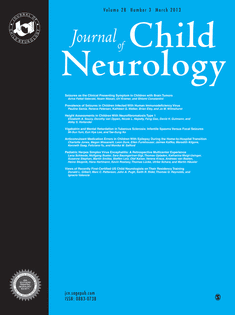
JOURNAL OF CHILD NEUROLOGY
Empowering Research for a Brighter Future in Child NeurologyThe JOURNAL OF CHILD NEUROLOGY is a distinguished publication in the critical fields of neurology and pediatrics, published by SAGE PUBLICATIONS INC. With its ISSN 0883-0738 and E-ISSN 1708-8283, this journal has been a pivotal resource since its inception in 1986, serving the needs of researchers, clinicians, and students dedicated to advancing the understanding and treatment of neurological disorders in children. As evidenced by its impressive Q2 rankings in both Neurology (clinical) and Pediatrics, Perinatology, and Child Health, the journal has established a reputable position within the academic community, ranking in the 75th percentile for pediatrics and the 53rd percentile for clinical neurology. This periodical not only contributes to the body of knowledge in child neurology but also promotes interdisciplinary collaboration, engaging a global audience through innovative research articles and case studies. Although the journal is not open access, it remains committed to disseminating high-quality research aimed at improving pediatric health outcomes, making it an essential read for professionals and researchers dedicated to this crucial area of medicine.

Application of Clinical Genetics
Exploring Innovations in Clinical GeneticsApplication of Clinical Genetics is a premier open-access journal published by Dove Medical Press Ltd., dedicated to advancing the field of clinical genetics since its inception in 2008. Based in New Zealand, this journal has established itself as a significant resource for researchers, clinicians, and students alike, contributing to the body of knowledge in both genetic medicine and clinical applications. With an impact factor reflecting its contributions to the field, the journal holds positions in the Q2 and Q3 quartiles of the 2023 Genetics categories, showcasing its relevance and scientific merit. Furthermore, it ranks #43 out of 99 in Clinical Genetics and #153 out of 347 in Biochemistry, Genetics, and Molecular Biology, indicating robust performance amongst its peers. The journal’s broad scope, encompassing various aspects of clinical genetics, ensures that it remains at the forefront of critical discussions, innovative research, and applications essential for the progression of personalized medicine. Researchers and professionals are encouraged to explore its openly accessible content that fosters collaboration and the sharing of knowledge in this dynamic and rapidly evolving field.
BRAIN & DEVELOPMENT
Fostering Innovation in Pediatric Brain HealthBRAIN & DEVELOPMENT is a prestigious academic journal published by ELSEVIER, renowned for its pivotal contributions to the fields of developmental neuroscience, neurology, and pediatrics. Established in 1979, this journal has become an essential resource for researchers and clinicians alike, as it explores the complexities of brain development and associated neurological disorders in children. With an impactful focus on advancing scientific understanding, BRAIN & DEVELOPMENT is currently ranked in the Q3 quartile in Developmental Neuroscience and Clinical Neurology and Q2 in Pediatrics, reflecting its significance within the medical community. Its ISSN 0387-7604 and E-ISSN 1872-7131 underline its established presence in academic literature. While the journal does not offer open access options, it continues to be a key platform for disseminating new research findings and fostering innovation in the understanding of pediatric neurological health. The journal's commitment to quality research is further evidenced by its ongoing publication trajectory up until 2024, making it a vital source of knowledge for students, professionals, and educators in related fields.

Journal of Pediatric Neurology
Fostering multidisciplinary dialogue in pediatric neurology.Journal of Pediatric Neurology, published by GEORG THIEME VERLAG KG, stands as a dedicated resource in the field of pediatric neurology, navigating the complex interplay of neurological and developmental disorders affecting children. With its ISSN 1304-2580 and E-ISSN 1875-9041, this journal has been a pivotal platform for advancing research since its inception in 2003, and continues to present critical findings and discussions up to 2024. Although currently categorized in the Q4 quartile for both Neurology (Clinical) and Pediatrics, Perinatology and Child Health within Scopus rankings, the journal's commitment to fostering scholarly dialogue is essential for researchers, clinicians, and students dealing with pediatric patients. Its structured coverage of various neurological disorders, treatment strategies, and innovative therapies contributes to the broader understanding of pediatric neurology, despite the challenges noted in its ranking percentile. By encouraging submissions from diverse disciplines, the journal aims to enhance clinical practice and bridge gaps in knowledge, ensuring a multidisciplinary approach to child health and development.

Balkan Journal of Medical Genetics
Pioneering research that connects genetics with patient care.Balkan Journal of Medical Genetics is an esteemed scientific publication dedicated to advancing research in the field of medical genetics. Established in 2000 and published by SCIENDO, the journal has embraced an Open Access model since 2007, ensuring that vital findings are readily accessible to researchers, healthcare professionals, and students worldwide. With an ISSN of 1311-0160 and an E-ISSN of 2199-5761, this journal serves as a platform for innovative studies and clinical findings, although it currently ranks in the lower quartiles within its categories according to the 2023 Scopus rankings. The journal's geographical roots in Macedonia reflect the region's commitment to contributing to the global understanding of genetics. By publishing high-quality research, the Balkan Journal of Medical Genetics aims to foster collaboration and knowledge exchange among scientists and healthcare providers, ultimately enhancing patient care and genetic research practices.

GENETICS
Exploring Genetic Principles for a Brighter TomorrowGENETICS, published by the Genetics Society of America, stands as a preeminent journal in the field of genetics, with a keen focus on advancing the understanding of genetic principles and their implications across various biological systems. Since its inception in 1945, the journal has played a pivotal role in disseminating groundbreaking research, maintaining a Q1 ranking in the genetics category as of 2023, positioning it among the top tier of academic publications. While access to the journal is not open, it continues to attract a global readership of researchers, professionals, and students eager to engage with high-quality, peer-reviewed articles that span both classical and contemporary genetics. With its publication history covering critical decades from 1945 to 2024, GENETICS is not just a repository of scientific knowledge but a vibrant forum for the exchange of ideas that drive the field forward. The journal’s commitment to excellence is demonstrated by its strategic coverage of pertinent topics, assuring its relevance for future generations of scholars.

PSYCHIATRIC GENETICS
Connecting Genetics with Psychiatry: Pioneering New FrontiersPSYCHIATRIC GENETICS, published by LIPPINCOTT WILLIAMS & WILKINS, is a pivotal journal dedicated to the interdisciplinary study of genetic factors in psychiatric disorders, bridging the fields of genetics, psychiatry, and neuroscience. With a commitment to advancing research from its inception in 1990 and continuing through 2024, the journal provides a platform for innovative studies and findings that explore the genetic underpinnings of mental health. Although not currently an Open Access publication, it reaches a wide audience concerned with the complex interplay between genetics and psychiatric conditions, contributing to its Q3 and Q2 quartile rankings across multiple relevant categories in 2023. The importance of this journal cannot be understated; it serves as a crucial resource for researchers, clinicians, and students eager to uncover insights that could lead to more effective interventions and treatments in the realm of mental health.

JOURNAL OF HUMAN GENETICS
Transforming Discoveries into SolutionsWelcome to the Journal of Human Genetics, a premier publication in the field of human genetics, published by SpringerNature. With a commitment to sharing groundbreaking research, this journal has been at the forefront of genetic studies since its establishment in 1961, converging its focus in 1996 and continuing to evolve through 2024. It holds a respected Q2 ranking in both the Genetics and Clinical Genetics categories, reflecting its significant contribution to the scientific community. With a notable Scopus ranking of 23rd out of 99 in Clinical Genetics and 95th out of 347 in Genetics, the journal offers a platform for high-impact research that informs clinical practices and advances the understanding of genetic disorders. Operating under an open-access model, it ensures that findings are readily accessible to researchers, professionals, and students worldwide. Join us in exploring the complexities of human genetics and contribute to the ongoing discourse in this dynamic field.

AMERICAN JOURNAL OF HUMAN GENETICS
Exploring the Depths of Human Genetic KnowledgeThe American Journal of Human Genetics, published by Cell Press, stands at the forefront of the genetics field, serving as an invaluable resource for researchers, clinicians, and students alike. With ISSN 0002-9297 and E-ISSN 1537-6605, this esteemed journal has been a cornerstone of genetic research since its inception in 1950 and continues to shape the landscape of human genetics as it evolves through 2024. Recognized for its exceptional quality, it holds a prestigious Q1 ranking in both genetics and clinical genetics, highlighting its significance and impact in the scientific community. With Scopus rankings placing it 5th out of 99 in clinical genetics and 20th out of 347 in biochemistry, genetics, and molecular biology, the journal attracts cutting-edge research and groundbreaking discoveries. While the journal maintains a subscription-only model for access, its contributions are critical in advancing our understanding of human genetics, making it a must-read for those dedicated to pushing the boundaries of knowledge in this dynamic field.

Genetic Testing and Molecular Biomarkers
Unlocking Insights at the Intersection of Genetics and Medicine.Genetic Testing and Molecular Biomarkers, an esteemed journal published by MARY ANN LIEBERT, INC, serves as a pivotal platform for advancing the field of genetic research and its applications in medicine. Focused on the innovative intersections of genetics and biomarker discovery, this journal has consistently contributed meaningful insights since its inception in 2009, with its scope evolving through 2024. With an ISSN of 1945-0265 and an E-ISSN of 1945-0257, it offers both traditional and open access options to cater to a broad audience of researchers, professionals, and students. Despite its current classification in the Q4 and Q3 quartiles for Genetics (clinical) and Medicine (miscellaneous) respectively, the journal remains committed to publishing high-quality, peer-reviewed articles that push the boundaries of knowledge in the field. As the landscape of genomic medicine continues to expand, Genetic Testing and Molecular Biomarkers is positioned as a crucial resource for disseminating cutting-edge discoveries and fostering interdisciplinary collaboration.