
NEW ZEALAND JOURNAL OF BOTANY
metrics 2024
Connecting Researchers to the Heart of Botany
Introduction
The New Zealand Journal of Botany, published by the esteemed Taylor & Francis Ltd, serves as a pivotal platform for disseminating significant research in the fields of Ecology, Evolution, Behavior and Systematics, as well as Plant Science. With a rich history dating back to 1963 and an impressive convergence extending to 2024, this journal has established itself as an essential resource for researchers and professionals dedicated to understanding the complexities of plant life and ecological systems in New Zealand and beyond. The journal is currently categorized in the Q3 quartile for both relevant disciplines as of 2023, reflecting its balanced influence within the global academic community. Although not an open access journal, it retains a significant impact factor, evidenced by its Scopus rankings, which place it within the top half of its categories. This makes it an invaluable tool for students, researchers, and academics aiming to engage with robust, peer-reviewed scientific findings and contribute to the evolving discourse surrounding botany and ecological research.
Metrics 2024
 0.340.800.8042
Metrics History
Rank 2024
Scopus
IF (Web Of Science)
JCI (Web Of Science)
Quartile History
Similar Journals
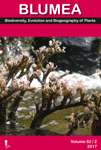
BLUMEA
Pioneering research in plant science and ecology.BLUMEA is a distinguished peer-reviewed journal published by RIJKSHERBARIUM in the Netherlands, specializing in Ecology, Evolution, Behavior and Systematics as well as Plant Science. With an ISSN of 0006-5196 and an E-ISSN of 0373-4293, this journal has established itself as a vital resource for academics and practitioners alike since its inception in 1993, with plans to continue through 2024. Currently holding a Q2 quartile ranking in both relevant categories, BLUMEA is positioned as a significant contributor to the advancement of knowledge in its fields, generating innovative research that informs sustainable practices and biodiversity conservation. Although it currently does not offer Open Access options, its insights are critical for those involved in plant sciences and ecological research. Positioned within the Scopus database, the journal ranks at the 41st percentile in Plant Science and the 39th percentile in Ecology, reflecting its substantial impact within the academic community. Researchers, students, and professionals who engage with BLUMEA will find it to be an indispensable source for high-quality research and valuable discussions aimed at shaping the future of ecological studies and botanical science.

Acta Botanica Mexicana
Exploring the intricacies of botany and ecology.Acta Botanica Mexicana is a premier journal published by Instituto de Ecología AC, dedicated to advancing research in the fields of ecology, plant science, and biological sciences. With an E-ISSN of 2448-7589, this open-access journal facilitates extensive dissemination of scientific findings, ensuring that knowledge is accessible to researchers, professionals, and students worldwide. Established in 2008, Acta Botanica Mexicana has earned a notable reputation, achieving a Q3 ranking in plant science and a Q4 ranking in ecology and evolution for 2023. This positioning underscores its commitment to publishing high-quality research that addresses vital issues in ecological and botanical studies. With a focus on innovative methodologies and pragmatic solutions, the journal invites contributors to share their insights and findings, thus enriching the academic landscape and fostering collaborations that drive the field forward. The journal is based in Michoacán, Mexico, and serves as a key hub for researchers engaging with the challenges and intricacies of plant and ecological studies.
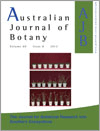
AUSTRALIAN JOURNAL OF BOTANY
Unveiling ecological interactions through rigorous research.The Australian Journal of Botany is a prestigious peer-reviewed journal published by CSIRO PUBLISHING, dedicated to advancing the field of plant sciences and ecology. Established in 1953, this journal provides a critical platform for researchers to share original research findings, reviews, and perspectives in subjects ranging from plant biology to ecological interactions, with a focus on Australian flora and its conservation. With an impressive impact factor and categorized in the Q3 quartile in both Ecology, Evolution, Behavior and Systematics and Plant Science, the journal ranks competitively within its fields, allowing authors to reach a diverse audience of professionals, students, and fellow researchers. The journal is accessible in print and electronically through its ISSN: 0067-1924 and E-ISSN: 1444-9862, providing wider access to vital research outcomes that influence environmental policies and natural resource management. As it aspires towards innovation and excellence, the Australian Journal of Botany remains an essential resource for those passionate about the richness of plant biodiversity and ecological understanding.
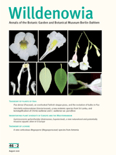
Willdenowia
Unlocking the secrets of plant evolution and behavior.Willdenowia is a prestigious scientific journal published by the Botanischer Garten & Botanische Museum Berlin-Dahlem, dedicated to advancing the field of botany and plant sciences. With an ISSN of 0511-9618, this journal has established itself as a crucial platform for researchers, practitioners, and students interested in ecology, evolution, behavior, systematics, and plant science. The journal boasts an impactful reputation, evidenced by its impressive Q1 and Q2 quartile rankings in Plant Science and Ecology, Evolution, Behavior and Systematics respectively, as well as notable Scopus rankings, placing it within the top quartiles of its categories. Although access is not open, articles published in Willdenowia contribute significantly to the global body of botanical research, making it an essential resource for anyone looking to deepen their understanding of plant biology and related ecological disciplines. The journal has continuously evolved since its inception and aims to facilitate interdisciplinary collaboration and knowledge dissemination in the life sciences.
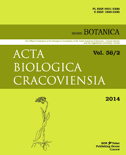
ACTA BIOLOGICA CRACOVIENSIA SERIES BOTANICA
Connecting researchers to the heart of plant science.ACTA BIOLOGICA CRACOVIENSIA SERIES BOTANICA is a distinguished journal published by the Polska Akademia Nauk (Polish Academy of Sciences), with its roots tracing back to 1996. As a pivotal publication in the field of Plant Science, it serves to disseminate high-quality research and findings, contributing to the ongoing development and understanding of biodiversity, plant ecology, and conservation. The journal is indexed under Scopus, ranked #203 out of 516 in its category, placing it in the 60th percentile and firmly within Q3 quartile for Plant Science in 2023. Researchers, professionals, and students will find invaluable content within its pages, enhancing their knowledge and supporting academic exploration. Although it currently does not offer open access options, the journal remains a crucial resource for those engaged in botanical sciences, with a commitment to advancing scholarship in Poland and beyond.
ANALES DEL JARDIN BOTANICO DE MADRID
Celebrating Diversity in Ecology and EvolutionANALES DEL JARDIN BOTANICO DE MADRID is a prominent open-access journal dedicated to the field of Botany, specifically focusing on both Plant Sciences and the broader domains of Ecology, Evolution, Behavior, and Systematics. Published by the esteemed CONSEJO SUPERIOR INVESTIGACIONES CIENTIFICAS-CSIC, this journal has been a vital source of knowledge and academic discourse since its inception. The journal has an ongoing commitment to disseminating research findings, with open access established since 1997, thereby ensuring that valuable scientific insights are readily available to researchers, professionals, and students worldwide. With an impact factor that reflects its relevance in the field and ranked in the Q3 category for Ecology, Evolution, Behavior and Systematics and Plant Science for the year 2023, ANALES DEL JARDIN BOTANICO DE MADRID serves as an essential platform for the publication of innovative studies and the exchange of ideas in the botanical community. The journal covers a variety of topics, from plant morphology and taxonomy to conservation biology, contributing significantly to the advancement of botanical sciences. Researchers looking to enrich their work and engage with a global audience will find this journal an invaluable resource.

TURKISH JOURNAL OF BOTANY
Connecting researchers to the world of botany.Welcome to the TURKISH JOURNAL OF BOTANY, a prestigious publication dedicated to advancing the field of plant science. Established in 1990 and published by the Tubitak Scientific & Technological Research Council Turkey, this journal serves as a vital platform for researchers, professionals, and students to disseminate their findings and insights on various botanical topics. With an impressive H-index that underscores its academic influence and recognition in the field, the journal is positioned in the Q2 quartile of plant science according to the latest category rankings. The ISSN of the journal is 1300-008X and the E-ISSN is 1303-6106, ensuring broad accessibility in both print and digital formats. As of 2023, it ranks #213 out of 516 in Scopus for Agricultural and Biological Sciences, placing it in the 58th percentile, which highlights its competitive standing among botanical journals. Researchers are encouraged to engage with its open-access options where available, fostering a collaborative and accessible research environment. With its commitment to quality and scientific rigor, the Turkish Journal of Botany remains an essential resource for anyone engaged in the exploration of plant sciences.
EUROPEAN JOURNAL OF PHYCOLOGY
Pioneering Studies in Algal EcologyThe EUROPEAN JOURNAL OF PHYCOLOGY, published by TAYLOR & FRANCIS LTD, stands as a prominent platform in the fields of Aquatic Science and Plant Science, reflecting its significant contribution to the understanding of algae and freshwater ecosystems. With an ISSN of 0967-0262 and an E-ISSN of 1469-4433, this journal has been disseminating valuable research since its inception in 1993, and it continues to play a pivotal role in advancing scientific knowledge through to 2024. Recognized in the Q2 category for both Aquatic and Plant Sciences in the 2023 rankings, it holds a commendable position in Scopus, being ranked #125 out of 516 and #63 out of 247, respectively. The journal is particularly valuable for researchers, professionals, and students seeking to explore innovative studies and methodologies in phycology and related disciplines. Although it does not currently offer open access, it provides an essential resource for those looking to deepen their understanding of algae's ecological roles and applications.
ADANSONIA
Innovating research in the heart of plant biology.ADANSONIA is a distinguished, peer-reviewed open access journal dedicated to advancing the field of plant science. Published by the Publications Scientifiques du Museum in Paris since 2000, this journal serves as a critical platform for sharing innovative research and discoveries in botany, ecology, and related disciplines. With its ISSN 1280-8571 and E-ISSN 1639-4798, ADANSONIA boasts a notable Scopus rank of #383 in the Agricultural and Biological Sciences category and a 2023 category quartile ranking of Q3 in Plant Science, indicating a meaningful contribution to the academic community. The journal's scope encompasses a broad range of topics, making it a vital resource for researchers, professionals, and students alike who are exploring the complexities of plant biology. Based in France, ADANSONIA not only enhances visibility for groundbreaking research but also facilitates open communication amongst scholars, ensuring that knowledge on plant science is accessible worldwide. Located at CP 39-57, Rue Cuvier, F-75231 Paris Cedex 05, France, this journal stands as a testament to the collaborative efforts in the pursuit of scientific excellence in plant sciences.
Botany
Exploring the depths of ecology and evolution.Botany is a premier academic journal published by Canadian Science Publishing, dedicated to advancing the understanding of plant sciences and ecological systems. With an ISSN of 1916-2790 and an E-ISSN of 1916-2804, this journal has established itself as a respected publication in the fields of Ecology, Evolution, Behavior and Systematics, and Plant Science, reflected in its 2023 Q2 and Q3 rankings. Covering a wide range of topics, Botany is committed to fostering interdisciplinary research, promoting innovative methodologies, and disseminating significant findings from both theoretical and applied perspectives. Based in Ottawa, Canada, the journal is open access, ensuring that high-quality research is accessible to a global audience, thereby playing a crucial role in the dissemination of knowledge in the scientific community. With convergence years from 2008 to 2024, it continues to evolve alongside the scientific advancements in botanical studies, making it an essential resource for researchers, professionals, and students alike.