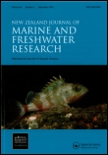
NEW ZEALAND JOURNAL OF MARINE AND FRESHWATER RESEARCH
metrics 2024
Exploring the Depths of Aquatic Science
Introduction
NEW ZEALAND JOURNAL OF MARINE AND FRESHWATER RESEARCH, published by Taylor & Francis Ltd, stands as a distinguished platform for the dissemination of innovative research in the realms of aquatic science and ecology. With an ISSN of 0028-8330 and E-ISSN 1175-8805, this journal has been curating significant scientific contributions since its inception in 1967, continuing through to 2024. Recognized in the Q2 category across multiple relevant fields—including Aquatic Science, Ecology, and Water Science—this journal ranks notably in Scopus, with a 74th percentile for Ecology, Evolution, Behavior and Systematics, highlighting its impact and relevance within the scientific community. Though not an open-access publication, its rigorous peer-reviewed articles offer insights that resonate with researchers, professionals, and students who are passionate about advancing our understanding of freshwater and marine ecosystems. By fostering a collaborative space for ecological and environmental inquiries, the NEW ZEALAND JOURNAL OF MARINE AND FRESHWATER RESEARCH is essential for those aiming to contribute to the vital conversations around biodiversity, conservation, and sustainable management of aquatic resources.
Metrics 2024
 0.551.401.8062
Metrics History
Rank 2024
Scopus
IF (Web Of Science)
JCI (Web Of Science)
Quartile History
Similar Journals

THALASSAS
Advancing Marine Science Through Rigorous ResearchTHALASSAS is a prominent academic journal specializing in the fields of Aquatic Science and Oceanography, published by Springer International Publishing AG. Established in 2005 and running through 2024, this journal serves as a vital platform for sharing groundbreaking research and innovative findings related to the marine environment and its ecosystems. With an ISSN of 0212-5919 and an E-ISSN of 2366-1674, THALASSAS is indexed in Scopus and currently holds a Q3 classification in both Aquatic Science and Oceanography for 2023, reflecting its relevance and contribution to these scientific disciplines. Although it does not follow an Open Access model, THALASSAS offers valuable insights for researchers, professionals, and students interested in sustainable ocean management and aquatic biodiversity. Its rigorous peer-review process ensures that published articles meet the highest standards of academic quality, fostering a deeper understanding of marine sciences and addressing critical issues facing aquatic systems today.

CYBIUM
Connecting researchers to the pulse of aquatic life.CYBIUM is a reputable journal published by the Société Française d'Ichtyologie, dedicated to advancing research within the fields of Animal Science and Zoology as well as Ecology, Evolution, Behavior and Systematics. With a commitment to fostering scientific dialogue, CYBIUM has been a valuable resource for scholars since its inception in 1996, reporting on a wide array of ichthyological studies and aquatic biology. The journal is recognized in the 2023 Scopus rankings with a notable position in the Q3 quartile for Animal Science and Zoology and Q4 for Ecology, Evolution, Behavior and Systematics, reflecting its growing influence in these disciplines. Although currently not categorized as Open Access, CYBIUM continues to provide essential insights into fish biology and ecology from the heart of France, the Museum national d'Histoire naturelle in Paris. Researchers, professionals, and students in related fields will find CYBIUM an indispensable tool for staying informed about the latest developments and research trends within ichthyology and marine sciences.
Fundamental and Applied Limnology
Connecting Theory and Practice: Your Resource for Freshwater ResearchFundamental and Applied Limnology is an esteemed academic journal dedicated to the exploration of freshwater ecosystems, bridging the gap between fundamental research and practical applications. Published by E Schweizerbart'sche Verlagsbuchhandlung in Germany, this journal has been a vital resource in the fields of aquatic science and ecology since its inception in 2007. With its ISSN 1863-9135 and E-ISSN 1863-9135, it provides a platform for researchers to disseminate significant findings related to limnology, contributing to a rich understanding of freshwater biodiversity, water quality, and ecological interactions. Although currently rated in the Q3 quartile for aquatic sciences and ecology as per the 2023 rankings, it remains a valuable outlet for interdisciplinary research and practical insights, facilitating critical advancements in environmental management. Open access options enhance its visibility and accessibility, making it indispensable for researchers, professionals, and students alike who are committed to advancing the scholarship in freshwater studies. Engaging with this journal not only opens doors to the latest research findings but also fosters collaboration and innovation in the ecological community.

BOLETIM DO INSTITUTO DE PESCA
Connecting researchers for impactful aquatic discoveries.BOLETIM DO INSTITUTO DE PESCA, published by the Instituto Pesca, is a Brazilian journal dedicated to advancing the fields of Animal Science and Aquatic Science. With its Open Access policy adopted in 2008, the journal ensures that research is widely disseminated, fostering collaboration and innovation among researchers, professionals, and students alike. Despite its recent Q4 category rankings in the 2023 metrics for both disciplines, the journal plays a vital role in providing a platform for emerging studies and critical discussions related to aquatic ecosystems and fisheries management. Covering a wide range of topics within its scope, BOLETIM DO INSTITUTO DE PESCA publishes original research, reviews, and case studies, stimulating academic dialogue and contributing to the sustainable management of aquatic resources in Brazil and beyond. This journal is an essential resource for anyone invested in marine and freshwater biology, ecology, and conservation.
ANNALES DE LIMNOLOGIE-INTERNATIONAL JOURNAL OF LIMNOLOGY
Fostering Understanding of Aquatic EnvironmentsANNALES DE LIMNOLOGIE-INTERNATIONAL JOURNAL OF LIMNOLOGY is a distinguished scientific journal dedicated to the field of limnology, focusing on freshwater ecosystems and their ecological dynamics. Published by EDP SCIENCES S A, this journal has been a vital resource for researchers and professionals since 1965, fostering a deep understanding of aquatic environments through quality research and scholarly discussions. The journal was indexed in Scopus, where it ranked in the 37th percentile within the Agricultural and Biological Sciences category, emphasizing its contribution to aquatic science. While its coverage has been discontinued in Scopus since 2021, the journal continues to engage its readership with critical insights and reviews in limnology. ANNALES DE LIMNOLOGIE promotes open access to facilitate the dissemination of valuable knowledge, making it an essential platform for students, researchers, and professionals who strive to advance our understanding of freshwater systems.

International Journal of Limnology
Championing Research in Aquatic EcosystemsThe International Journal of Limnology, published by EDP SCIENCES S A, is a cutting-edge journal dedicated to the field of aquatic sciences, with a strong emphasis on limnology—the study of inland waters. Headquartered in France, the journal serves as a vital resource for scholars and practitioners alike, aiming to advance the understanding of freshwater ecosystems and their management. With an e-ISSN of 2823-1465 and classified within the Q3 category of the 2023 Aquatic Science quartiles, it occupies a significant niche in academic research, ranking 150 out of 247 in Scopus listings. The journal’s open access policy ensures that research findings are widely disseminated, facilitating collaboration and innovation across global aquatic science communities. Published continuously from 2022 to 2024, the International Journal of Limnology aspires to contribute to sustainable practices and enhance ecological understanding, making it an essential publication for researchers, professionals, and students committed to the stewardship of aquatic resources.
CIENCIAS MARINAS
Exploring the Depths of Marine KnowledgeCIENCIAS MARINAS, an influential journal in the field of Aquatic Sciences, is published by the Instituto de Investigaciones Oceanológicas of the Universidad Autónoma de Baja California. Established as an open access platform since 2006, it aims to disseminate original research and critical reviews that contribute to the advancement of marine science. With a commitment to fostering scholarly dialogue, CIENCIAS MARINAS serves as a vital resource for academics, researchers, and practitioners interested in the ecological dynamics and biological processes of aquatic environments. Although currently ranked in the fourth quartile in Aquatic Science by Scopus, the journal remains dedicated to increasing its visibility and impact within the research community. Housed in Mexico, it offers a regional perspective that underscores the importance of coastal and oceanic research, making it an essential avenue for exploring marine biodiversity and conservation efforts. By engaging with this journal, readers can stay abreast of the latest developments and contribute to the growing body of knowledge in marine sciences.
JOURNAL OF SEA RESEARCH
Empowering Researchers to Shape Marine UnderstandingJOURNAL OF SEA RESEARCH, published by Elsevier, is a premier academic journal dedicated to advancing knowledge in the fields of aquatic science, ecology, and oceanography. Since its inception in 1996, this journal has provided a vital platform for researchers and professionals to disseminate groundbreaking findings and promote fostering interdisciplinary discussions. With its impressive Q2 ranking in multiple categories, including Aquatic Science and Ecology, Evolution, Behavior and Systematics, it positions itself as a significant contributor to marine and environmental studies. The journal is accessible in both print (ISSN: 1385-1101) and online formats (E-ISSN: 1873-1414), ensuring wide reach and engagement within the scholarly community. Researchers and students alike will find the journal not only a reliable source of information but also a source of inspiration for future explorations. With a commitment to quality and a broad scope that spans fundamental to applied research, JOURNAL OF SEA RESEARCH remains an indispensable resource for understanding the complexities of marine environments and their relevance to our changing world.

Journal of Oceanology and Limnology
Diving Deep into Aquatic Science DiscoveriesJournal of Oceanology and Limnology, published by SCIENCE PRESS, is a premier academic journal dedicated to advancing the fields of oceanography and limnology. With an ISSN of 2096-5508 and E-ISSN 2523-3521, this journal has emerged as a vital resource since its inception, aiming to disseminate cutting-edge research and comprehensive studies on aquatic environments. Based in China and indexed with notable rankings in Scopus, including a Q2 category in Oceanography and a Q3 category in Water Science and Technology, this journal significantly contributes to knowledge in these crucial scientific disciplines. The H-index for the journal is currently being established, reflecting its evolving impact within the academic community. Moreover, the open access model promotes wider dissemination, ensuring that research findings are accessible to a global audience. Covering a diverse range of topics from ecosystem health to climate impact on water bodies, the Journal of Oceanology and Limnology aspires to foster interdisciplinary dialogue and innovation among researchers, professionals, and students engaged in understanding and preserving aquatic life.
International Aquatic Research
Empowering aquatic scientists to make waves in research.International Aquatic Research, published by the Islamic Azad University, Tonekabon Branch, is a vital open-access journal dedicated to advancing the field of aquatic sciences since its inception in 2009. With an ISSN of 2008-4935 and an E-ISSN of 2008-6970, the journal plays a significant role in disseminating high-quality research findings from Iran and around the globe. It covers a broad range of topics in aquatic biology, fisheries science, and marine ecology, making it a valuable resource for researchers, professionals, and students alike. As of 2023, it ranks in the third quartile (Q3) of the aquatic science category with a Scopus rank of #138 out of 247 in Agricultural and Biological Sciences, reflecting its growing influence in the field. With a commitment to promoting scientific knowledge and fostering collaboration among aquatic research communities, International Aquatic Research is positioned as an essential platform for those dedicated to understanding and conserving marine and freshwater environments.