PFLUGERS ARCHIV-EUROPEAN JOURNAL OF PHYSIOLOGY
metrics 2024
Leading the Way in Physiological Research Excellence
Introduction
Pflügers Archiv - European Journal of Physiology, published by Springer Heidelberg, stands at the forefront of physiological research, showcasing groundbreaking studies since its inception in the 1950s. With a distinguished ISSN of 0031-6768 and an E-ISSN of 1432-2013, this esteemed journal maintains a robust reputation, holding Q1 rankings in Clinical Biochemistry, Physiology, and Medical Physiology as of 2023. Its impressive Scopus rankings place it in the top percentile across various categories, including Biochemistry, Genetics and Molecular Biology and Medicine. Pflügers Archiv serves as a vital platform for researchers, professionals, and students, facilitating the dissemination and discussion of advanced physiological concepts and methodologies. Although it does not currently offer open access, its rigorous peer-review process ensures the highest quality publications that contribute significantly to our understanding of physiological science. Explore the depth of physiological research that shapes our academic landscape today.
Metrics 2024
 1.362.903.80145
Metrics History
Rank 2024
Scopus
IF (Web Of Science)
JCI (Web Of Science)
Quartile History
Similar Journals
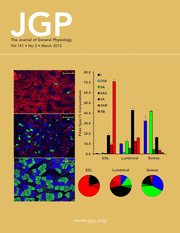
JOURNAL OF GENERAL PHYSIOLOGY
Elevating Physiological Science Through Quality ResearchJOURNAL OF GENERAL PHYSIOLOGY, published by Rockefeller University Press, is a leading peer-reviewed journal that has been at the forefront of physiological research since its inception in 1918. With an ISSN of 0022-1295 and an E-ISSN of 1540-7748, this esteemed journal maintains an impressive Q1 ranking in the field of Physiology, reflecting its high-quality contributions to both the basic and applied aspects of physiology. Regularly cited in the scientific community, it ranks 70th out of 193 in the category of Biochemistry, Genetics, and Molecular Biology, showcasing its significant impact within academic circles. The journal publishes original research, reviews, and commentaries, aiming to advance the understanding of physiological mechanisms and their implications across various biological systems. Although not Open Access, the journal remains a vital resource for researchers, professionals, and students dedicated to exploring the depths of cardiopulmonary function, neurophysiology, and cellular biochemical processes. The JOURNAL OF GENERAL PHYSIOLOGY continues to serve as a critical platform for disseminating innovative findings and fostering collaboration among scientists globally.
PHYSIOLOGICAL AND BIOCHEMICAL ZOOLOGY
Exploring the Depths of Animal LifePhysiological and Biochemical Zoology is a distinguished peer-reviewed journal published by University of Chicago Press, focusing on the interrelated fields of animal physiology, biochemistry, and zoology. With a strong commitment to advancing scientific understanding, this journal serves as a vital resource for researchers, professionals, and students alike, providing a platform for the latest findings and advancements in the field. Ranking in the top quartile (Q1) in Animal Science and Zoology as of 2023, and showcasing a substantial convergence of historical data from 1999 to 2023, its impact in the academic community is underscored by its engagement with high-quality research. While it also appears in the third quartile for Biochemistry and Physiology, the journal successfully integrates these disciplines, reflecting the complexity of biological systems. Available for reading via various access options, this journal is essential for anyone seeking to deepen their knowledge or contribute to the field of Zoological sciences.

PHYSIOLOGICAL RESEARCH
Elevating Physiological Knowledge GloballyPHYSIOLOGICAL RESEARCH, published by the Academy of Sciences of the Czech Republic, Institute of Physiology, serves as a prominent platform for scholarly contributions in the field of physiology and related disciplines. With an impact factor that highlights its significance—ranking in the Q2 category in Medicine (miscellaneous) and the Q3 in Physiology as of 2023—this journal has established itself as a vital resource for researchers, professionals, and students. Since becoming Open Access in 1991, it has broadened its reach, ensuring that vital research is freely available to academic communities worldwide. Covering a diverse range of topics, PHYSIOLOGICAL RESEARCH attracts submissions that advance the understanding of physiological processes, making it an indispensable resource for those invested in the field. Based in Prague, Czech Republic, this journal offers an enriching medium for discourse and dissemination in physiology, contributing to the global scientific landscape.
FISH PHYSIOLOGY AND BIOCHEMISTRY
Bridging Gaps in Aquatic Biology KnowledgeFISH PHYSIOLOGY AND BIOCHEMISTRY, published by Springer, is a leading journal in the fields of aquatic science, biochemistry, and physiology, with an impressive trajectory since its inception in 1986 and continuing through 2024. Operating from the Netherlands, this journal serves as a vital platform for researchers, professionals, and students alike, showcasing innovative studies that explore the physiological and biochemical aspects of fish, contributing significantly to our understanding of aquatic ecosystems and their inhabitants. With a robust impact factor reflected in its Q1 status in Aquatic Science and notable rankings in other relevant categories, FISH PHYSIOLOGY AND BIOCHEMISTRY maintains a strong scholarly influence, evidenced by its Scopus ranking within the top quartiles of various biological sciences disciplines. While the journal does not currently offer open access options, it remains a cornerstone for advancing knowledge and fostering collaboration within the community dedicated to aquatic biology and related fields.
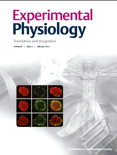
EXPERIMENTAL PHYSIOLOGY
Fueling innovation in the understanding of physiological processes.EXPERIMENTAL PHYSIOLOGY, published by WILEY, stands as a vital resource in the fields of Nutrition and Dietetics and Physiology, providing high-quality, peer-reviewed research since its inception in 1990. With an impressive categorization into the Q2 quartile in these domains, the journal emphasizes the integration of experimental and clinical findings, making significant contributions to our understanding of physiological processes and nutritional impacts on health. The journal operates within a competitive landscape, ranked significantly in Scopus, showcasing its relevance to both the medical community and nutritional sciences, as evidenced by its rankings in Nursing, Medicine, and Biochemistry. Though it is not currently open access, the journal remains an indispensable tool for researchers, professionals, and students seeking to deepen their knowledge and stay updated on cutting-edge research. With a publication window extending to 2024, EXPERIMENTAL PHYSIOLOGY continues to influence the academic discourse and promote advancements in its respective fields.
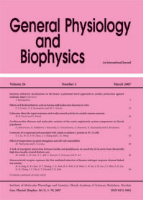
GENERAL PHYSIOLOGY AND BIOPHYSICS
Bridging Biological Systems with Physical PrinciplesGENERAL PHYSIOLOGY AND BIOPHYSICS, published by AEPRESS SRO, is a pivotal journal in the fields of biophysics and physiology, dedicated to advancing knowledge and fostering research in these increasingly vital disciplines. Established in 1983 and set to converge in 2024, the journal provides a platform for scholarly articles that explore the intricate relationships between biological systems and physical principles. Its current category quartiles include Q3 in Biophysics and Q4 in Physiology, demonstrating a growing influence among researchers, with current Scopus ranks reflecting its commitment to quality and relevance. Despite not being an open-access publication, the journal remains a valuable resource for professionals and students aiming to stay informed on the latest discoveries and methodologies. By supporting interdisciplinary research and innovation, GENERAL PHYSIOLOGY AND BIOPHYSICS plays a crucial role in shaping the understanding of complex biological interactions and applications in medicine.

Function
Pioneering discoveries that drive the evolution of healthcare.Function is a pioneering open access academic journal published by Oxford University Press, dedicated to advancing research in the fields of Cancer Research, Cell Biology, Molecular Medicine, and Physiology. Since its inception in 2020, this journal has quickly established itself as a vital resource for researchers and professionals alike, achieving a commendable impact factor in the 2023 rankings, where it stands in the Q2 quartile across multiple categories. Located in the heart of the United Kingdom, Function aims to foster a global exchange of knowledge by providing free and unrestricted access to cutting-edge research, facilitating collaboration and innovation within the scientific community. With a robust focus on emerging discoveries and interdisciplinary approaches, this journal encourages contributions that unravel the complexities of biological functions, paving the way for transformative advancements in healthcare and related sciences. As it converges from 2020 to 2024, Function continues to be an invaluable platform for disseminating research that has the potential to shape the future of medicine and biology.

Comprehensive Physiology
Fostering Collaboration in Physiological ExplorationComprehensive Physiology is a premier journal published by WILEY, dedicated to the profound exploration of physiological science. With an impact factor that underscores its significance within the field, this journal serves as a pivotal resource for researchers, professionals, and students alike, ensuring access to cutting-edge studies and reviews that span various domains of physiology. It stands proudly in the Q1 category across multiple subfields including Medicine (miscellaneous), Physiology, and Medical Physiology, reflecting its outstanding position within the scientific community. Evaluated within prestigious bibliometric ranks, it boasts an impressive Scopus ranking, placing it in the 12th percentile for medical physiology and 23rd percentile in biochemical, genetic, and molecular physiology. As it converges from 2011 to 2024, Comprehensive Physiology continues to foster a platform for innovative discoveries and collaborative exchanges, thereby contributing significantly to the advancement of medical knowledge and understanding of physiological processes.
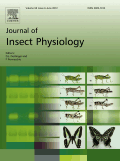
JOURNAL OF INSECT PHYSIOLOGY
Decoding the Complexities of Insect PhysiologyThe Journal of Insect Physiology, an esteemed publication by Pergamon-Elsevier Science Ltd, stands at the forefront of the study of insect biology and physiology. Established in 1957 and set in the United Kingdom, this journal has consistently contributed to advancing our understanding of the intricate physiological processes of insects throughout its converged years ending in 2024. With an impressive impact factor that solidifies its reputation, it ranks in the 1st quartile for Insect Science and the 2nd quartile for Physiology as per the 2023 metrics. The journal's Scopus rankings also reflect its influence, boasting a notable position in both Agricultural and Biological Sciences and Biochemistry, Genetics, and Molecular Biology. Although currently not open access, it provides researchers and professionals with invaluable insights and groundbreaking research essential for the field. With its comprehensive scope, the Journal of Insect Physiology is dedicated to fostering scientific dialogue and innovation, making it an indispensable resource for scholars and students alike.

CHINESE JOURNAL OF PHYSIOLOGY
Elevating the discourse in medical physiology.CHINESE JOURNAL OF PHYSIOLOGY, published by WOLTERS KLUWER MEDKNOW PUBLICATIONS, has been a vital resource since its inception in 1971, catering to the expansive field of physiology. Operating out of Taiwan, this journal addresses critical research in both general and medical physiology, providing a platform for innovative studies that contribute significantly to the understanding of biological processes. With an emphasis on disseminating high-quality, peer-reviewed articles, it holds a Q4 ranking in Physiology and a Q3 ranking in Medical Physiology as of 2023, reflecting its commitment to advancing physiological science. The ISSN for this journal is 0304-4920 and the E-ISSN is 2666-0059. While access options are not available as open access, researchers and professionals can still benefit from its valuable insights. Notably, it ranks #78/113 in Medicine - Physiology and #159/193 in Biochemistry, Genetics, and Molecular Biology - Physiology on Scopus, indicating its growing influence in the scientific community. We invite researchers, professionals, and students alike to explore the wealth of knowledge featured within the pages of the CHINESE JOURNAL OF PHYSIOLOGY.