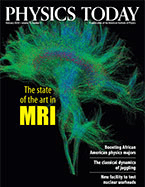
PHYSICS TODAY
metrics 2024
Connecting Innovators in Physics and Astronomy
Introduction
PHYSICS TODAY is a prestigious journal published by the American Institute of Physics, serving as a pivotal platform for the dissemination of innovative research and developments in the field of physics and astronomy. With an ISSN of 0031-9228 and an E-ISSN of 1945-0699, this journal has been in circulation since 1948 and is set to continue until 2024. Recognized for its substantial contributions to the scientific community, PHYSICS TODAY holds a significant position within the Q2 quartile of the Physics and Astronomy category as of 2023. Although it does not offer open access, its articles remain crucial resources for researchers, professionals, and students seeking to stay abreast of the latest advancements across a broad range of topics in general physics and astronomy. With a current Scopus ranking of #150 out of 243 and a percentile standing at 38, the journal bolsters its reputation as a reliable source for high-quality scientific discourse. In an era of rapid scientific advancement, PHYSICS TODAY remains dedicated to fostering a deeper understanding of the physical universe, making it an essential read for those invested in the future of physics.
Metrics 2024
 0.382.803.00121
Metrics History
Rank 2024
Scopus
IF (Web Of Science)
JCI (Web Of Science)
Quartile History
Similar Journals
Chinese Physics B
Connecting scholars through innovative physics discoveries.Chinese Physics B, published by IOP Publishing Ltd, is a distinguished journal in the field of Physics and Astronomy, offering a platform for researchers to disseminate cutting-edge studies and advancements. With an ISSN of 1674-1056 and an E-ISSN of 2058-3834, this journal emphasizes open access, ensuring that groundbreaking research is readily available to a global audience. Reflecting its commitment to quality, Chinese Physics B is categorized in the Q3 quartile (2023) in its subject area and ranks 118 out of 243 among its peers in general physics and astronomy according to Scopus, placing it in the 51st percentile. Publishing since 2008, the journal not only maintains a rigorous peer-review process but also aims to foster collaboration among academics in various physics disciplines. With its base in the United Kingdom, Chinese Physics B remains a crucial resource for those seeking to stay abreast of developments in the diverse world of physics.
EPL
Shaping Tomorrow's Physics Through Collaborative ResearchEPL, a prominent journal published by IOP Publishing Ltd, stands at the forefront of the field of Physics and Astronomy. With a history of impactful contributions stretching from 1986 to 2024, EPL serves as a dynamic platform for researchers to disseminate their pioneering findings and innovative ideas. The journal, with a current category ranking of Q2 among its peers and a competitive Scopus rank of #101 out of 243 in the general physics and astronomy category, reflects its substantial reputation and contribution to the scientific community. Although it operates under a traditional subscription model, EPL's reach is extensive, enabling access to a diverse readership that includes academicians, industry professionals, and students alike. By fostering interdisciplinary collaboration and promoting rigorous research, EPL continues to play a vital role in shaping the future of physics and astronomy.

Nature Reviews Physics
Unveiling the Latest Breakthroughs in Physics.Nature Reviews Physics is a leading academic journal published by NATURE PORTFOLIO, specializing in the realm of physics and astronomy. With a significant impact factor that places it among the top-tier journals in its field, it has achieved a remarkable ranking of 3rd out of 243 according to Scopus, reflecting its influential position and 98th percentile standing in general physics and astronomy. This prestigious journal, with an expected convergence spanning from 2019 to 2024, provides comprehensive reviews that capture the latest advancements and critical developments in physics, deemed essential for researchers, professionals, and students alike. While the journal does not currently adopt an open-access model, its scholarly contributions and insights into cutting-edge research make it a vital resource for those seeking to advance their understanding of the complexities of the physical universe.
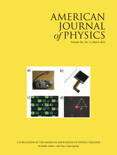
AMERICAN JOURNAL OF PHYSICS
Empowering Minds Through Physics Insights.The American Journal of Physics (ISSN: 0002-9505, E-ISSN: 1943-2909), published by AIP Publishing, has been a cornerstone in the realm of physics education and research since its inception. With a broad scope that covers a plethora of topics in physics and astronomy, this journal serves as a vital resource for researchers, educators, and students alike, aiming to foster a deeper understanding of the fundamental principles of physics. As of 2023, it holds a commendable Q2 ranking in Physics and Astronomy (miscellaneous), reflecting its impactful contributions and rigorous peer-review process. Although the journal does not offer open access, it continues to be widely circulated, ensuring that groundbreaking research is accessible to a dedicated audience. The convergence of historical insights and contemporary advancements makes the American Journal of Physics an essential publication for those striving to stay at the forefront of the field.

PHYSICS IN PERSPECTIVE
Revealing the Legacy of Physics in Contemporary ThoughtPHYSICS IN PERSPECTIVE, published by SPRINGER BASEL AG, is an esteemed journal dedicated to the intricate interplay between the history of physics and its contemporary implications. With an ISSN of 1422-6944 and an E-ISSN of 1422-6960, this journal has established itself as a pivotal resource for researchers, scholars, and students who seek a deeper understanding of physics through a historical lens. The journal enjoys a Q1 ranking in History and a Q3 ranking in Physics and Astronomy (miscellaneous), illustrating its significance in the arts and humanities as well as its notable contributions to physics scholarship. Published in Switzerland, it provides a unique platform for interdisciplinary dialogue, combining historical analysis with modern physics discussions. As it continues to grow through its converged years from 1999 to 2024, PHYSICS IN PERSPECTIVE remains committed to enriching the academic community and fostering innovative research that bridges the past and present of the physical sciences.
Science China-Physics Mechanics & Astronomy
Empowering Researchers with Cutting-edge InsightsScience China-Physics Mechanics & Astronomy, published by SCIENCE PRESS, stands as a prestigious journal within the Physics and Astronomy domain, particularly recognized for its contributions to the understanding of fundamental and applied physics. With an exhilarating Q1 ranking in the 2023 category and earning a remarkable scopus rank of #21 out of 243, the journal demonstrates its significant impact, being positioned in the 91st percentile of its field. Operating under an Open Access model, it facilitates the broad dissemination of high-quality research, ensuring accessibility for researchers, professionals, and students worldwide. Its scope covers a variety of essential topics in physics and astronomy, promoting a comprehensive understanding of the latest advancements from 2010 through 2024. The journal is a vital resource for anyone aiming to stay at the forefront of research in these dynamic fields, with its prominent address located in Beijing, China, symbolizing its global influence.
Communications Physics
Connecting disciplines through innovative research.Communications Physics is a premier open access journal published by Nature Portfolio, dedicated to disseminating high-quality research in the field of Physics and Astronomy. Since its inception in 2018, the journal has rapidly established itself as a vital platform for innovative scientific communication, boasting an impressive Impact Factor and achieving Q1 status in the 2023 category of Physics and Astronomy (miscellaneous). With a Scopus rank of #31 out of 243, placing it within the 87th percentile, Communications Physics attracts a global audience of researchers, professionals, and students eager to engage with cutting-edge findings. The journal supports open access, ensuring that research is freely available to the public, which enhances its visibility and encourages broader discussions within the scientific community. Located in Berlin, Germany, Communications Physics aims to bridge the gap between various disciplines within physics, fostering interdisciplinary collaboration and inspiring future research endeavors.
DOKLADY PHYSICS
Fostering Knowledge in the Realm of Physical Sciences.DOKLADY PHYSICS is a prominent academic journal dedicated to advancing knowledge in the fields of computational mechanics, mechanics of materials, and general physics and astronomy. Published by MAIK NAUKA/INTERPERIODICA/SPRINGER, this journal has established itself as a crucial resource for researchers and professionals keen on exploring the intricacies of physical phenomena and engineering applications. With its ISSN 1028-3358 and E-ISSN 1562-6903, DOKLADY PHYSICS has been contributing to scientific discourse since its inception in 1996 and continues to provide a platform for innovative research up to 2023. Despite its current Q3 ranking in several key categories, the journal maintains an inclusive approach, striving to influence both academic and practical aspects of its fields. While the journal may not be open access, it remains a vital publication for those interested in high-quality research, as reflected in its Scopus ranking positions across various engineering and physics categories.
TECHNICAL PHYSICS LETTERS
Empowering Researchers to Shape the Future of PhysicsTechnical Physics Letters, an esteemed publication of MAIK Nauka/Interperiodica/Springer, serves as a pivotal platform for advancing the field of physics and astronomy since its establishment in 1996. This journal, with its ISSN 1063-7850 and e-ISSN 1090-6533, not only publishes high-quality research articles but also encourages innovative discussions and practical applications within the diverse realms of technical physics. With a solid reputation reflected in its Q3 category ranking within the broader physics and astronomy landscape, it aims to connect researchers and professionals who seek to address contemporary challenges and encourage multidisciplinary approaches to complex scientific problems. Although the journal does not currently offer open access options, it remains accessible to a wide readership, fostering a collaborative spirit among the scientific community. As it converges its efforts from 1996 to 2024, Technical Physics Letters is poised to be an essential resource for anyone looking to stay at the forefront of physics research.
EUROPEAN JOURNAL OF PHYSICS
Charting New Territories in Scientific InquiryEuropean Journal of Physics, published by IOP Publishing Ltd, is a premier international journal serving the diverse field of physics and astronomy. With a commitment to advancing scientific knowledge since its inception in 1980, the journal provides a platform for original research articles, reviews, and topical discussions in various domains, including theoretical and experimental physics. Operating out of the United Kingdom, the journal has achieved a commendable Q2 ranking in the Physics and Astronomy (miscellaneous) category for 2023, reflecting its robust influence in the academic community, alongside a notable Scopus Rank that underscores its relevance in both the Social Sciences and General Physics and Astronomy fields. Although it does not currently offer open access, the journal's traditional publication model ensures rigorous peer review, maintaining high scholarly standards that are imperative for researchers, professionals, and students striving to stay ahead in their respective fields. Don't miss the opportunity to engage with cutting-edge research and contribute to the ongoing dialogue in physics by accessing this vital resource.