
Plants-Basel
metrics 2024
Exploring the intricate web of plant interactions.
Introduction
Plants-Basel is a distinguished open access journal published by MDPI since 2012, offering a comprehensive platform for researchers and professionals in the field of ecology, plant science, and evolutionary biology. Based in Switzerland, this journal has established itself as a leader in disseminating high-quality research, evident through its impressive rankings in multiple categories, including Q1 in Ecology and Plant Science for 2023. With a substantial impact factor and a dedicated focus on advancing our understanding of plant interactions, ecosystems, and sustainable practices, Plants-Basel is vital for scholars seeking to contribute to these critical fields. The journal's commitment to open access enhances visibility and accessibility, facilitating the widespread sharing of knowledge essential for addressing contemporary ecological challenges.
Metrics 2024
 -4.004.40-
Metrics History
Rank 2024
IF (Web Of Science)
JCI (Web Of Science)
Quartile History
Similar Journals
PHYSIOLOGY AND MOLECULAR BIOLOGY OF PLANTS
Bridging Research and Application in Plant SciencePHYSIOLOGY AND MOLECULAR BIOLOGY OF PLANTS, published by SPRINGER, is a vital journal focused on the advancing field of plant science. Featuring research that spans physiology, molecular biology, and their applications in agriculture, this journal is pivotal for academics, professionals, and students keen on understanding plant processes and enhancing crop production. With an ISSN of 0971-5894 and an E-ISSN of 0974-0430, this journal is recognized for its scholarly significance, ranking in the Q3 category in Molecular Biology, Q2 in Physiology, and Q1 in Plant Science as of 2023. The journal maintains a strong position in the Scopus rankings, with notable percentile rankings including 87th in Plant Science. Established in 2000, this publication aims to foster the dissemination of cutting-edge research by providing a platform for open discussion and knowledge sharing about plant physiology and molecular mechanisms. While it does not currently offer open access options, its comprehensive studies and reviews serve as an essential resource for enhancing our understanding of plant biology.
PLANT BIOSYSTEMS
Illuminating the Pathways of Plant Interactions and AdaptationsPLANT BIOSYSTEMS, published by TAYLOR & FRANCIS LTD, is a leading academic journal dedicated to advancing the understanding of plant systems and their ecological interactions. With an ISSN of 1126-3504 and an E-ISSN of 1724-5575, this journal holds a significant place in the fields of Ecology and Plant Science, earning a Q2 rank in both categories as of 2023. Established in 1993 and continuing robustly through to 2024, it aims to provide a platform for pioneering research that encompasses a wide array of topics, from evolutionary biology to plant-environment interactions. Although not an open-access journal, it maintains a strong reputation, backed by its impressive Scopus rankings—positioned at #179 in Ecology, Evolution, Behavior and Systematics and #138 in Plant Science, placing it within the top percentiles. PLANT BIOSYSTEMS is a vital resource for researchers, professionals, and students who are keen to contribute to and learn from cutting-edge findings in the ever-evolving domain of plant sciences.

Bioagro
Pioneering research that cultivates knowledge and sustainability.Bioagro is an esteemed academic journal dedicated to advancing research in the field of Agricultural and Biological Sciences. Published by the University Centroccidental Lisandro Alvarado in Venezuela, this journal has made significant strides since its inception in 2008, with a focus on delivering high-quality research publications that address contemporary challenges in agriculture and biology. Recognized for its contributions, it holds a Q3 ranking in the Agricultural and Biological Sciences (miscellaneous) category as of 2023, and it ranks #125 out of 221 in its field, placing it in the 43rd percentile. Although it operates on an Open Access model, Bioagro strives to provide broad access to innovative research, thereby fostering collaboration and knowledge dissemination among researchers, professionals, and students. With a commitment to include a wide range of topics, the journal aims to be a pivotal platform for exploration and dialogue in agricultural sciences, ensuring that key findings reach both scientific and practitioner audiences. Located in Barquisimeto-Cabudare, Lara, Venezuela, Bioagro invites submissions that contribute to the global discourse on sustainable practices and innovations in agriculture.
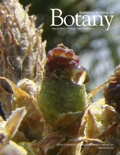
AMERICAN JOURNAL OF BOTANY
Pioneering Research in the World of PlantsAmerican Journal of Botany, an esteemed publication by Wiley, serves as a pivotal platform for the dissemination of groundbreaking research in the fields of botany, ecology, plant science, and genetics. With an illustrious history dating back to 1946, this journal holds a prestigious position in the academic community, evident through its Q1 ranking in both Ecology, Evolution, Behavior and Systematics and Plant Science, alongside a Q2 ranking in Genetics as of 2023. The journal maintains a competitive edge, ranked 159th in Ecology and Evolution and 124th in Plant Science according to Scopus metrics, underscoring its impact within the research landscape. Though traditionally not an open-access journal, it continues to provide valuable insights and advancements in botanical science, making it essential reading for researchers, professionals, and students dedicated to understanding and exploring the complexities of plant life. The journal's commitment to high-quality research ensures that it remains a cornerstone in the pursuit of knowledge in botany and related disciplines.

BANGLADESH JOURNAL OF BOTANY
Unveiling the Secrets of Bangladesh's Plant LifeBANGLADESH JOURNAL OF BOTANY is a prominent publication in the field of plant sciences, dedicated to advancing research and knowledge within the botanical community. Published by the BANGLADESH BOTANICAL SOC, this journal serves as a vital platform for researchers and scholars seeking to disseminate their findings related to plant biology, ecology, and conservation practices, particularly within the unique context of Bangladesh's diverse flora. With an ISSN of 0253-5416 and an E-ISSN of 2079-9926, the journal encompasses a wide scope of topics, reflecting interdisciplinary approaches in botanical research. Since its inception, with convergence periods from 1996 to 2001 and from 2003 to 2024, it has garnered recognition, positioned in the Q4 category in the Plant Science field with a ranking of #459/516 in Scopus, indicating its contribution to the field despite its developing impact. Operating within Bangladesh, at the UNIV DACCA DEPT BOTANY, the journal provides a crucial insight into the ecological and agricultural implications of plant studies in the region, catering to the needs of academics, professionals, and students eager to engage with contemporary botanical research.
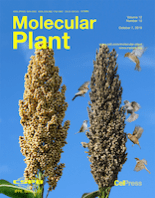
Molecular Plant
Transforming plant science with impactful research.Molecular Plant, published by CELL PRESS, is a premier journal dedicated to advancing the field of molecular biology and plant science. With an impressive impact factor reflecting its rigorous peer-review process and the high quality of its published research, this journal has achieved a remarkable Q1 ranking in both Molecular Biology and Plant Science categories as of 2023. Its Scopus rankings place it within the top echelons of its field, holding 2nd place in Agricultural and Biological Sciences - Plant Science, showcasing its vital role in disseminating impactful research. The journal covers a broad range of topics, including but not limited to, plant genetics, molecular interactions, and biotechnological advances. Research published in Molecular Plant has the potential to significantly influence agricultural practices and biotechnological applications, making it an essential resource for researchers, professionals, and students eager to stay at the forefront of plant research. Access options for the journal are tailored to accommodate a wide audience, facilitating engagement with cutting-edge findings and breakthroughs. As the field of plant science continues to evolve, Molecular Plant remains integral to fostering innovation and collaboration within the scientific community.
South African Journal of Plant and Soil
Empowering agricultural science through impactful studies.South African Journal of Plant and Soil is an esteemed academic publication dedicated to advancing the fields of Ecology, Plant Science, and Soil Science. Published by TAYLOR & FRANCIS LTD in the United Kingdom, this journal has been a vital resource since its inception in 1984, providing a platform for innovative research and scholarly articles that address critical issues in plant and soil management. With a current impact factor placing it in the Q3 category according to the 2023 rankings, it occupies an influential position within the academic community, especially amongst researchers focused on agricultural and environmental sciences. Although not an open-access journal, it remains accessible to a broad audience through libraries and institutions that recognize its value in facilitating ecologically and environmentally focused discussions. The journal's ongoing commitment to publishing high-quality research ensures that it plays a pivotal role in nurturing knowledge and fostering advancements in sustainable practices across southern Africa and beyond.
MYCORRHIZA
Fostering Innovation in Plant ScienceMYCORRHIZA is a prestigious journal dedicated to the exploration of mycorrhizal symbiosis and its implications across various biological disciplines. Published by SPRINGER, this journal serves as a crucial platform for researchers and professionals in the fields of ecology, plant science, and molecular biology. With an impressive impact factor reflected in its 2023 quartile rankings—ranking Q1 in both Ecology, Evolution, Behavior and Systematics and Plant Science, as well as Q2 in Genetics and Molecular Biology—MYCORRHIZA plays a significant role in disseminating groundbreaking findings that advance our understanding of plant interactions and ecosystem dynamics. The journal has been active since 1991 and continues to publish cutting-edge research through 2024, ensuring that its audience remains at the forefront of scientific innovation. For additional information about publication protocols and submission guidelines, please refer to the journal's website.
TRENDS IN PLANT SCIENCE
Leading the Way in Plant Science InnovationTRENDS IN PLANT SCIENCE is a premier academic journal published by CELL PRESS, dedicated to advancing the field of plant sciences. With an ISSN of 1360-1385 and E-ISSN 1878-4372, this journal has established itself as a critical resource for researchers and practitioners alike, boasting a remarkable impact factor that places it in the Q1 quartile for plant science in the 2023 rankings. Featuring a comprehensive scope that encompasses emerging trends, innovative research, and pivotal reviews in the plant sciences, it aims to promote interdisciplinary dialogue and encourage progressive research methodologies. Hailing from the United Kingdom, TRENDS IN PLANT SCIENCE serves a global community of over 516 journals, achieving a top-tier ranking of 3rd in the Scopus ranking for Agricultural and Biological Sciences. This makes the journal an indispensable asset for anyone aiming to keep abreast of the latest developments in plant biology and its applications. As we look towards its future converging years from 1996 to 2024, the journal continues to foster scholarly excellence and innovation in the field.

Egyptian Journal of Botany
Exploring the depths of ecological research.Egyptian Journal of Botany is a premier publication in the field of botanical sciences, encompassing agricultural research, plant biology, and ecology. Published by the NATL INFORMATION DOCUMENTATION CENT, ACAD SCIENTIFIC RESEARCH & TECHNOLOGY in Egypt, this journal has made significant strides since its establishment, now recognized within several prestigious Scopus quartiles including Q3 in Agronomy and Crop Science, and Q3 in Ecology, reflecting its impact and relevance in the scientific community. With an aim to disseminate high-quality research and foster innovation in plant sciences, the journal provides a platform for researchers, professionals, and students alike to share vital findings and advancements. Although it currently operates under traditional access, the wealth of knowledge it offers is pivotal for those engaged in ecological preservation, crop improvement, and biotechnological applications. With its comprehensive scope and evolving reputation, the Egyptian Journal of Botany is poised to remain an influential player in the botanical sciences from 2019 to 2024 and beyond.