
PSYCHOLOGIA
metrics 2024
Exploring the Depths of Human Behavior
Introduction
PSYCHOLOGIA is a distinguished academic journal published by the Psychologia Editorial Office, focusing on the broad field of psychology. Originating from Japan, the journal serves as a platform for innovative research and insights into various psychological phenomena, contributing significantly to the advancement of psychological knowledge since its establishment in 1996. With an ISSN of 0033-2852 and an E-ISSN of 1347-5916, PSYCHOLOGIA primarily targets researchers, professionals, and students who are passionate about the intricacies of human behavior and cognition. Currently categorized in the Q4 quartile of psychology (miscellaneous) based on 2023 metrics, it holds a Scopus rank of #157 out of 216, indicating its developing presence within the academic community. Despite being published without open access options, the journal remains committed to fostering scholarly dialogue and disseminating significant findings that shape contemporary psychological research. As it converges towards its issue set for 2024, PSYCHOLOGIA continues to be an essential resource for those seeking to deepen their understanding of psychological sciences.
Metrics 2024
 0.230.500.5029
Metrics History
Rank 2024
Scopus
IF (Web Of Science)
JCI (Web Of Science)
Quartile History
Similar Journals
QUARTERLY JOURNAL OF EXPERIMENTAL PSYCHOLOGY
Transforming Understanding Through Empirical StudiesQuarterly Journal of Experimental Psychology, published by SAGE Publications Ltd, is a leading peer-reviewed journal that serves as a vital resource in the fields of experimental and cognitive psychology, neuropsychology, and medicine. With an impactful contribution to psychological research, the journal is recognized for its rigorous methodology and empirical studies, holding a notable ranking among its peers—finding itself in the Q2 quartile across several categories. With its origin tracing back to 2006, Quarterly Journal of Experimental Psychology significantly influences the academic discourse until its latest published findings in 2024. Catering to a diverse audience of researchers, professionals, and students, this journal provides Open Access options, enhancing the reach and accessibility of cutting-edge psychological research. By focusing on innovative approaches and findings, it aims to bridge theoretical understanding with practical application, hence fostering advancement in multiple related disciplines. For those committed to understanding the complexities of human behavior and cognitive processes, this journal remains an essential reference point.

Acta Psychologica Sinica
Connecting Ideas, Inspiring Minds in PsychologyActa Psychologica Sinica, published by SCIENCE PRESS, is a premier journal in the field of psychology, dedicated to advancing the understanding of psychological science through rigorous research. Located in Beijing, China, this journal covers a broad spectrum of topics within the field, aiming to foster the dissemination of innovative and influential psychological research. With an impact factor that reflects its growing prominence, it is classified in the Q3 quartile for Psychology (miscellaneous) as of 2023, indicating its relevancy and contribution to the discipline. Researchers, professionals, and students alike will find valuable insights within its pages, as it encompasses diverse psychological perspectives and methodologies. Although it operates under a traditional publication model without open-access options, the quality of research featured here makes it a vital resource for those seeking to stay informed on current developments and trends in psychology.

JOURNAL OF COGNITIVE NEUROSCIENCE
Transforming knowledge of the brain into transformative insights.Welcome to the JOURNAL OF COGNITIVE NEUROSCIENCE, a premier publication in the field of cognitive neuroscience, published by the esteemed MIT PRESS. Since its inception in 1989, this journal has been at the forefront of advancing our understanding of the neural mechanisms underlying cognitive processes, boasting an impressive convergence period through 2024. With its Q1 ranking in the 2023 cognitive neuroscience category, it stands out among 115 peers, indicating its critical role in shaping contemporary research. The journal offers a comprehensive array of research articles, reviews, and methodologies aimed at researchers, professionals, and students alike, facilitating the exploration of complex cognitive functions. While not an open-access journal, it provides essential insights and significant contributions to the neuroscience community, making it an invaluable resource for anyone keen on delving into the intricacies of the human brain.

Neuropsychologia
Exploring the Mind: Bridging Psychology and NeuroscienceNeuropsychologia, published by PERGAMON-ELSEVIER SCIENCE LTD, is a premier journal that delves into the intersections of psychology and neuroscience, specifically focusing on behavioral and cognitive processes. Since its inception in 1963, this esteemed journal has been a vital platform for researchers, professionals, and students, showcasing innovative studies and advancements in the fields of Behavioral Neuroscience, Cognitive Neuroscience, and Experimental Psychology. With a commendable impact factor, placing it in the Q2 category across multiple disciplines, Neuropsychologia is recognized for its contribution to the scientific community, ranking among the top journals in both Experimental and Cognitive Psychology and Neuroscience. The journal's commitment to excellence is evident in its rigorous peer-review process and its mission to disseminate cutting-edge research, making it an invaluable resource for those seeking to expand their knowledge and insights in neuropsychology. For further reading, the journal is accessible in both print and digital formats, ensuring that researchers can easily engage with the latest findings and theoretical advancements in this dynamic field.
JOURNAL OF PSYCHOPHYSIOLOGY
Fostering Dialogue in the Realm of PsychophysiologyJOURNAL OF PSYCHOPHYSIOLOGY, published by Hogrefe Publishing Corp, serves as a crucial platform for the dissemination of research in the interdisciplinary fields of neuropsychology, physiological psychology, and neuroscience. With an ISSN of 0269-8803 and an E-ISSN of 2151-2124, this journal has been a staple in the academic community since its inception in 1987 and will continue to publish impactful research until at least 2024. Despite the absence of Open Access, the journal maintains a significant presence, holding Q3 and Q4 quartile rankings in relevant disciplines according to the 2023 metrics. Researchers and practitioners benefit from the journal's robust focus on integrating psychophysiological research with practical applications, contributing to a better understanding of psychological processes through physiological insights. As evident from its Scopus rankings, the JOURNAL OF PSYCHOPHYSIOLOGY is dedicated to fostering scholarly dialogue and advancing knowledge in the field, making it an essential resource for anyone invested in the intricacies of human behavior and the physiological underpinnings thereof.
Bilingualism-Language and Cognition
Exploring the Intersection of Language and MindBilingualism-Language and Cognition, published by Cambridge University Press, is a leading journal in the fields of Education and Linguistics, renowned for its rigorous academic contributions and influential research. With an impressive impact factor placing it in the Q1 quartile of both fields, this journal ranks among the top-tier publications globally, reflecting its commitment to advancing the understanding of bilingualism and its cognitive implications. Since its inception in 2005, Bilingualism-Language and Cognition has garnered significant attention, evidenced by its remarkable Scopus rankings—11th in Language and Linguistics and 12th in Social Sciences. Dedicated to publishing high-quality original research, reviews, and integrative studies, the journal aims to foster interdisciplinary dialogue among researchers, educators, and practitioners. Although not currently an open access journal, it remains a vital resource for those engaged in bilingualism research and its cognitive dimensions, contributing to the academic landscape from its home in Cambridge, United Kingdom.
Cognition
Pioneering Research in Cognitive Processes and BehaviorCognition, published by Elsevier, is a leading journal dedicated to the exploration and advancement of knowledge in the multifaceted fields of cognitive neuroscience, cognitive psychology, and linguistics. Since its inception in 1972, this prestigious journal has established itself as a prominent platform for disseminating innovative research and critical reviews, achieving a remarkable Q1 ranking across various relevant categories, including Cognitive Neuroscience and Developmental Psychology, as per the 2023 metrics. With a focus on providing insights that are vital for researchers, professionals, and students alike, Cognition boasts an impressive standing in the academic community, evidenced by its high Scopus rankings which place it in the top percentiles in several disciplines. Researchers interested in the cognitive processes underlying human thought, language, and behavior will find Cognition an invaluable resource that publishes cutting-edge findings and fosters interdisciplinary collaboration. Though it operates under a traditional access model, the breadth and depth of its content ensure it remains integral to advancing cognitive science.
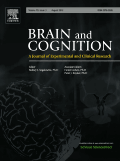
BRAIN AND COGNITION
Bridging Brain Function and Cognitive UnderstandingBRAIN AND COGNITION, published by Academic Press Inc Elsevier Science, stands as a vital resource for researchers and practitioners in the realms of cognitive neuroscience and psychology. Established in 1982, the journal has continuously evolved, showcasing cutting-edge research that bridges the understanding of brain functions and cognitive processes up to 2024. With an impressive impact factor reflecting its commitment to high-quality scholarship, the journal currently holds a prestigious Q1 ranking in Arts and Humanities (miscellaneous) and notable Q2 rankings in various psychology fields, including Cognitive Neuroscience, Developmental and Educational Psychology, Experimental and Cognitive Psychology, and Neuropsychology. This multidisciplinary journal cultivates a rich academic dialogue, offering valuable insights to professionals, researchers, and students alike. Although it does not offer open access, its robust indexing in Scopus and consistent contribution to important discussions in cognitive research define its critical role in advancing knowledge and innovation in the cognitive sciences.
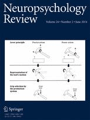
NEUROPSYCHOLOGY REVIEW
Advancing Understanding in Neuropsychological ScienceNEUROPSYCHOLOGY REVIEW is a prestigious journal published by Springer, dedicated to the exploration of cognitive processes and behavior through neurological and psychological perspectives. With its ISSN 1040-7308 and E-ISSN 1573-6660, this journal holds a distinguished position in Q1 of the Neuropsychology and Physiological Psychology category, ranking at #3 out of 76 with an impressive 96th percentile in Scopus. Since its inception in 1990, it has provided a critical platform for researchers, professionals, and students to disseminate and engage with comprehensive reviews and empirical research, promoting a deeper understanding of the interplay between neural mechanisms and psychological phenomena. Aimed at fostering interdisciplinary collaboration and advancement in the field, NEUROPSYCHOLOGY REVIEW invites contributions that push the boundaries of knowledge and stimulate ongoing debates in neuropsychology, making it an invaluable resource for anyone interested in the latest scientific advancements within this dynamic area.
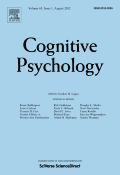
COGNITIVE PSYCHOLOGY
Exploring the Depths of Human CognitionCOGNITIVE PSYCHOLOGY is a premier academic journal published by Academic Press Inc. Elsevier Science, specializing in the dynamic and evolving field of cognitive psychology. With a significant history spanning from 1970 to 2024, this journal has established itself as a critical resource for researchers and professionals alike, boasting a distinguished ranking in the Q1 category across multiple disciplines, including Experimental and Cognitive Psychology, Neuropsychology, and Artificial Intelligence. Its impact factor, reflective of its influence and reputation within the academic community, positions COGNITIVE PSYCHOLOGY as an essential platform for disseminating cutting-edge research and theoretical advancements. Although it is not open access, subscribers gain exclusive insights into the latest findings that drive the field forward. The journal's commitment to fostering innovative research makes it an indispensable tool for those dedicated to understanding the complexities of human cognition.