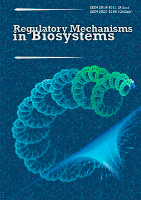
Regulatory Mechanisms in Biosystems
metrics 2024
Catalyzing Research in Regulatory Mechanisms
Introduction
Regulatory Mechanisms in Biosystems (ISSN: 2519-8521, E-ISSN: 2520-2588) is an esteemed open-access journal published by the OLES HONCHAR DNIPROPETROVSK NATIONAL UNIVERSITY in Ukraine. Since its establishment in 2017, the journal has been dedicated to advancing knowledge in the dynamic fields of biochemistry, genetics, molecular biology, as well as relevant interdisciplinary domains. Although it currently holds a Q4 ranking across multiple categories—including Biochemistry, Microbiology, and Pharmacology—it provides a vital platform for researchers and professionals to disseminate innovative findings and insights. With a commitment to fostering collaboration and dialogue within the scientific community, Regulatory Mechanisms in Biosystems plays a crucial role in promoting open access research that contributes to our understanding of complex biological systems, ultimately guiding evidence-based practices in health and environmental sciences. The journal invites scholars to submit diverse articles covering both theoretical and empirical studies that reflect the multifaceted nature of regulatory mechanisms in biological systems.
Metrics 2024
 0.160.500.509
Metrics History
Rank 2024
Scopus
IF (Web Of Science)
JCI (Web Of Science)
Quartile History
Similar Journals
JOURNAL OF EVOLUTIONARY BIOCHEMISTRY AND PHYSIOLOGY
Exploring the Nexus of Biochemistry and Evolutionary DynamicsJOURNAL OF EVOLUTIONARY BIOCHEMISTRY AND PHYSIOLOGY, published by PLEIADES PUBLISHING INC, is a pivotal periodical that delves into the intricate relationships between biochemical processes and evolutionary dynamics. With its ISSN 0022-0930 and E-ISSN 1608-3202, this journal serves as a comprehensive platform for researchers, professionals, and students dedicated to understanding the physiological adaptations and biochemical mechanisms influenced by evolutionary pressures. Although it is not an open access journal, it offers valuable insights across its historically significant coverage spanning from 1972 to 2017, making it an essential resource for those working in agricultural, biological, and molecular sciences. Despite its current Scopus rankings revealing limited visibility within its fields, the journal remains committed to fostering scholarly dialogue and advancing knowledge in the realm of evolutionary biochemistry, especially for those exploring the ecological, genetic, and integrative physiological aspects of life.
FASEB JOURNAL
Pioneering Insights in Biochemistry, Genetics, and MedicineFASEB JOURNAL, published by Wiley, stands as a leading interdisciplinary platform in the realm of biological sciences, prominently featured in the United States. With an impressive 2023 impact factor placing it in the Q1 category across various fields including Biochemistry, Biotechnology, Genetics, Molecular Biology, and Medicine (miscellaneous), the journal is recognized for its substantial contribution to advancing knowledge and innovation. It serves as a vital resource for researchers, professionals, and students alike, providing high-quality, peer-reviewed articles that explore the molecular and cellular mechanisms underlying health and disease. The FASEB JOURNAL not only emphasizes accessible scientific communication but also fosters collaboration within these dynamic fields, making it an essential publication for anyone engaged in cutting-edge life sciences research. To explore more about the journal's offerings and access its vast repository of scholarly articles, visit their official page.
JOURNAL OF BIOSCIENCES
Navigating the Landscape of Biosciences Since 1979JOURNAL OF BIOSCIENCES, published by the Indian Academy of Sciences, has established itself as a pioneering platform in the fields of biosciences, encompassing diverse research areas such as agricultural and biological sciences, biochemistry, genetics, molecular biology, and medicine. With an impressive trajectory since its inception in 1979, the journal has achieved notable recognition, securing a Q1 ranking in Agricultural and Biological Sciences and maintaining its place in the top quartiles for Biochemistry and Medicine as of 2023. With Scopus rankings placing it at #32 in General Agricultural and Biological Sciences and #65 in General Biochemistry, Genetics, and Molecular Biology, the journal reaches the 85th and 70th percentiles respectively, reflecting its impact and relevance in current scientific discourse. Although it does not offer open access, the JOURNAL OF BIOSCIENCES remains crucial for researchers, professionals, and students dedicated to advancing knowledge and innovation within the biosciences, providing a vibrant forum for high-quality research and comprehensive reviews.

Annual Review of Biochemistry
Illuminating the Path of Biochemical ResearchAnnual Review of Biochemistry is a premier publication in the field of biochemistry, renowned for its comprehensive and critical reviews that collate significant advancements and insights since its inception in 1946. Published by Annual Reviews in the United States, this journal maintains a prestigious position within the academic community, boasting a Q1 ranking in the biochemistry category for 2023, with an impressive Scopus rank of #4 out of 438, placing it in the top 1% of its field. With a commitment to excellence, it serves as an essential resource for researchers, professionals, and students striving to stay at the forefront of biochemical research. While the journal does not operate on an open-access model, it continues to provide key insights and knowledge that fuel innovation and discovery in the life sciences. As it converges research from various eras up to 2024, Annual Review of Biochemistry remains a vital contributor to the development of molecular biology and genetics, catering to the needs of a diverse readership keen on advancing their understanding and expertise in biochemistry.
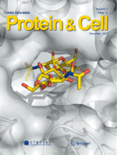
Protein & Cell
Transforming Understanding of Proteins and Cells for TomorrowProtein & Cell, published by Oxford University Press, is a distinguished international journal focusing on cutting-edge research in the fields of biochemistry, biotechnology, cell biology, and drug discovery. This open access journal, active since 2014, is dedicated to disseminating innovative findings that advance our understanding of protein functions and cellular processes, making it an essential resource for researchers, professionals, and students alike. With an impressive 2023 impact factor reflected in its Q1 ranking across multiple categories such as Biochemistry, Drug Discovery, and Cell Biology, 'Protein & Cell' stands at the forefront of scientific research, driving collaboration and discussion in the scientific community. Researchers can access the journal freely online, fostering a global exchange of knowledge and contributing to significant advancements in medicine and biotechnology. Located in the United Kingdom, the journal strives to be a pivotal platform for impactful research that influences future studies and applications.
MOLECULAR BIOLOGY REPORTS
Unveiling the intricacies of life at the molecular level.MOLECULAR BIOLOGY REPORTS, published by SPRINGER, is a distinguished journal that serves the vibrant fields of genetics, medicine, and molecular biology. With a rich publication history dating back to 1973, this journal has evolved into a hub for innovative and impactful research, garnering a respectable 2023 Impact Factor indicative of its influence within the academic community. Operating from the Netherlands, it focuses on disseminating high-quality research findings that advance our understanding of molecular mechanisms underlying biological processes. Though not open access, the journal offers various subscription options to ensure accessibility to its comprehensive content. Currently classified in the Q2 quartile in Medicine (miscellaneous) and Q3 in both Genetics and Molecular Biology, MOLECULAR BIOLOGY REPORTS is committed to fostering scholarly dialogue and collaboration among researchers, professionals, and students dedicated to exploring the complexities of life at the molecular level.
BIOLOGY BULLETIN
Bridging Gaps in Biological Research for Global Impact.BIOLOGY BULLETIN is a prominent academic journal published by PLEIADES PUBLISHING INC, dedicated to advancing the fields of Agricultural and Biological Sciences as well as Biochemistry, Genetics, and Molecular Biology. With an ISSN of 1062-3590 and E-ISSN of 1608-3059, the journal has been a vital resource for researchers and professionals since its commencement in 1996. Located in the United States, BIOLOGY BULLETIN operates within a highly competitive academic landscape, achieving a 2023 ranking in the Q3 quartile for Agricultural and Biological Sciences and Q4 for Biochemistry, Genetics, and Molecular Biology, highlighting its commitment to delivering impactful research despite its challenges. Researchers seeking to publish their findings will find a platform for significant insights, as reflected in its Scopus rankings, where it stands at #183 and #199 out of 221 in its respective categories, showcasing opportunities for growth and visibility. While currently not an open-access publication, BIOLOGY BULLETIN plays a crucial role in facilitating scholarly communication and fostering an understanding of biological sciences, making it an essential read for academics, professionals, and students alike.

INDIAN JOURNAL OF EXPERIMENTAL BIOLOGY
Advancing Knowledge in Biochemistry and GeneticsINDIAN JOURNAL OF EXPERIMENTAL BIOLOGY, published by the NATL INST SCIENCE COMMUNICATION-NISCAIR, stands as a significant platform for the dissemination of original research in the fields of biochemistry, genetics, and molecular biology, particularly within the context of Indian scientific advancements. With its ISSN 0019-5189 and E-ISSN 0975-1009, the journal has been an essential resource since its inception in 1965, although coverage in prominent databases like Scopus was discontinued in 2018. The journal ranks in the 57th percentile for Biotechnology, as well as in the 27th and 25th percentiles for Molecular Biology and Cell Biology respectively, underscoring its impact and relevance. While currently not an Open Access journal, it continues to provide valuable insights and contributions from researchers and professionals in the growing field of experimental biology. The esteemed contributions published in this journal enhance our understanding of biological processes and foster the development of innovative solutions to contemporary challenges in health and environmental science.
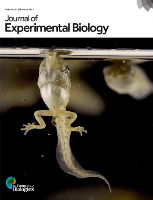
JOURNAL OF EXPERIMENTAL BIOLOGY
Bridging Knowledge Gaps in Ecology and PhysiologyJOURNAL OF EXPERIMENTAL BIOLOGY, published by COMPANY BIOLOGISTS LTD, stands as a cornerstone in the fields of Animal Science, Aquatic Science, Ecology, Insect Science, and Physiology. With a rich history dating back to 1945, this esteemed journal has continually provided a platform for high-quality research, evidenced by its impressive Q1 rankings across multiple categories in the 2023 Journal Citation Reports. Located in the United Kingdom, it serves an international audience, offering critical insights and advancements in various biological sciences. As a non-open access journal, it provides rigorous peer-reviewed articles that contribute profoundly to our understanding of biological processes and their implications. With an extensive reach among researchers, practitioners, and academia, the JOURNAL OF EXPERIMENTAL BIOLOGY is not only a repository of knowledge but also a catalyst for ongoing research and innovation in experimental biology.
PROCEEDINGS OF THE ROYAL SOCIETY B-BIOLOGICAL SCIENCES
Bridging Disciplines for Scientific ExcellencePROCEEDINGS OF THE ROYAL SOCIETY B-BIOLOGICAL SCIENCES, published by the esteemed Royal Society, stands as a premier platform for disseminating cutting-edge research in the fields of Biological Sciences. With an impressive impact factor reflective of its high citation rates and scholarly contributions, this journal encompasses a wide array of disciplines, including Agricultural and Biological Sciences, Biochemistry, Genetics and Molecular Biology, Environmental Science, and Immunology and Microbiology, consistently ranking in the Q1 category across these fields. Since its inception in 1946, it has been committed to advancing our understanding of biological systems and informing evidence-based practices. Researchers and academics can submit their work without the Open Access barrier, thereby maintaining the integrity of the disciplinary discourse while providing comprehensive insights. The journal's location in the United Kingdom also positions it at the heart of global scientific innovation, making it a vital resource for professionals and students alike who are eager to explore the latest trends and breakthroughs in the biological sciences.