REVIEWS IN FISH BIOLOGY AND FISHERIES
metrics 2024
Navigating the waters of fish biology with expert reviews.
Introduction
Reviews in Fish Biology and Fisheries, published by Springer, is a prestigious journal dedicated to advancing our understanding of fish biology and the principles underpinning fisheries science. With an impact factor reflective of its high citation rate and its recognition as a Q1 category journal in Aquatic Science, it ranks impressively at #9 out of 247 in the Scopus database, placing it within the top 4% of its field. Established in 1991, this journal serves as a crucial platform for researchers, professionals, and students alike, offering comprehensive reviews and insights that foster innovation and collaboration in aquatic research. Although it is not available as an open-access publication, its rigorous peer-review process ensures the dissemination of quality research that informs policy and practices in fisheries management globally. With a diverse range of topics covered, the journal is an essential resource for anyone aiming to deepen their knowledge and impact in the dynamic fields of fish biology and fisheries.
Metrics 2024
 1.685.906.00114
Metrics History
Rank 2024
Scopus
IF (Web Of Science)
JCI (Web Of Science)
Quartile History
Similar Journals
Journal of Ichthyology
Advancing Knowledge in Aquatic SciencesJournal of Ichthyology, published by PLEIADES PUBLISHING INC, is a respected periodical in the field of aquatic sciences and biological studies, focusing extensively on the study of fish and their ecosystems. With an ISSN of 0032-9452 and E-ISSN of 1555-6425, this journal serves as an essential platform for researchers seeking to publish innovative findings related to ichthyology and broader aquatic biological sciences. Although currently not an open-access journal, its high relevance is reflected in its impact factor and varied audience, addressing pressing issues in biodiversity, conservation efforts, and fish biology. The journal's classification indicates a Q3 ranking in Agricultural and Biological Sciences and a Q4 ranking in Aquatic Science for 2023, affirming its contributions to the field despite its percentile standings in Scopus ranking. The journal has a publication history that spans critical converged years from 1976 to 2024, making it a vital resource for ongoing research developments and scholarly discourse. For academics, professionals, and students alike, the Journal of Ichthyology remains a key resource for advancing knowledge and enhancing the understanding of fish biology and their ecological impacts.
JOURNAL OF SHELLFISH RESEARCH
Bridging Science and Sustainability in Shellfish ManagementJOURNAL OF SHELLFISH RESEARCH is a prominent publication in the field of aquatic science, specifically focusing on the biology and ecology of shellfish. Published by the NATL SHELLFISHERIES ASSOC, this journal provides a vital platform for researchers and professionals to share their findings, contribute to the understanding of shellfish ecosystems, and advance practices in aquaculture and fisheries management. The journal's current ranking places it in the Q2 category in aquatic science, reflecting its importance and relevance in the academic community. With its extensive history from 1993 to 2024, the JOURNAL OF SHELLFISH RESEARCH plays a critical role in disseminating high-quality research to enhance the sustainability and conservation of shellfish populations. Although the journal is not open access, it attracts a wide readership eager to engage with groundbreaking studies and innovative methodologies, making it an indispensable resource for anyone invested in aquatic biology and the shellfishing industry.
FISHERIES
Shaping the future of fisheries through impactful research.FISHERIES, published by WILEY, stands at the forefront of aquatic science and nature conservation, providing a vital platform for researchers and practitioners to share their findings and contribute to the sustainable management of global fishery resources. With an impressive impact factor and recognition within its field, the journal is currently ranked Q2 in both Aquatic Science and Nature and Landscape Conservation categories as of 2023, indicating its significant influence and quality of research dissemination. Covering a broad scope of topics from aquatic ecosystems to conservation strategies, FISHERIES facilitates cross-disciplinary discourse essential for understanding the ecological and socioeconomic aspects of fisheries. As the journal converges its years of operations from 1976 to 2024, it continues to adapt to emerging challenges in the field, making it an invaluable resource for professionals, researchers, and students alike who are dedicated to advancing knowledge and practices in sustainable fisheries management.

FISHERY BULLETIN
Advancing Sustainable Fisheries KnowledgeFISHERY BULLETIN, published by the NATL MARINE FISHERIES SERVICE SCIENTIFIC PUBL OFFICE, serves as a pivotal resource in the field of Aquatic Science, offering valuable insights into fisheries science and management since its inception in 1881. With an Open Access model, the journal ensures that researchers, professionals, and students can access cutting-edge research freely, fostering greater collaboration and innovation within the community. The journal boasts a substantial history of publication, encompassing articles from 1979 to 2024, and has achieved a respectable Q3 Quartile ranking in its category for 2023, highlighting its influence amid its peers. It currently ranks #161 out of 247 in the Scopus database for Agricultural and Biological Sciences, with a 35th percentile ranking, indicative of the quality and relevance of its contributions. The FISHERY BULLETIN stands out as an essential platform for disseminating significant findings and advancing knowledge relevant to sustainable fisheries and marine resource management, making it an indispensable tool for academic researchers and industry practitioners alike.
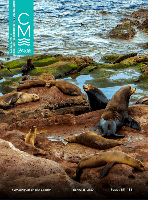
CIENCIAS MARINAS
Exploring the Depths of Marine KnowledgeCIENCIAS MARINAS, an influential journal in the field of Aquatic Sciences, is published by the Instituto de Investigaciones Oceanológicas of the Universidad Autónoma de Baja California. Established as an open access platform since 2006, it aims to disseminate original research and critical reviews that contribute to the advancement of marine science. With a commitment to fostering scholarly dialogue, CIENCIAS MARINAS serves as a vital resource for academics, researchers, and practitioners interested in the ecological dynamics and biological processes of aquatic environments. Although currently ranked in the fourth quartile in Aquatic Science by Scopus, the journal remains dedicated to increasing its visibility and impact within the research community. Housed in Mexico, it offers a regional perspective that underscores the importance of coastal and oceanic research, making it an essential avenue for exploring marine biodiversity and conservation efforts. By engaging with this journal, readers can stay abreast of the latest developments and contribute to the growing body of knowledge in marine sciences.
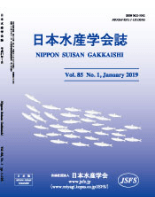
NIPPON SUISAN GAKKAISHI
Innovating Insights in Aquatic ResearchNIPPON SUISAN GAKKAISHI, published by the Japanese Society of Fisheries Science, is a prestigious journal with a long history dating back to its inaugural issue in 1932. This journal, which spans key contributions to the field of Aquatic Science, serves as a vital platform for the dissemination of important research findings related to fisheries and aquatic biology, fostering knowledge and innovation in Japan and beyond. Although it is not an open-access publication, its rigorous peer-review process ensures the quality and integrity of the articles published. The journal is currently listed in the Q4 category for Aquatic Science according to the 2023 metrics, placing it within a niche but significant corner of the research landscape. With an ISSN of 0021-5392 and E-ISSN of 1349-998X, it continues to provide essential insights that benefit researchers, professionals, and students alike, highlighting advancements and challenges within aquatic ecosystems over a converged year span that continues to evolve through to 2024.

Turkish Journal of Fisheries and Aquatic Sciences
Navigating the science of fisheries for a better tomorrow.Turkish Journal of Fisheries and Aquatic Sciences, published by the CENTRAL FISHERIES RESEARCH INST, is a key resource in the fields of Fisheries and Aquatic Sciences, catering to a global community of researchers and professionals. With its ISSN 1303-2712 and E-ISSN 2149-181X, this journal offers an engaging platform for the dissemination of high-quality research from Turkey, covering critical topics within Animal Science and Aquatic Science. As a third quartile journal in both categories (Q3, 2023), it provides valuable insights, contributing to a growing body of literature that addresses aquatic ecosystems, fisheries management, and biodiversity conservation, thereby enhancing the sustainability of aquatic resources. The journal has shown considerable impact, ranking 144th in Animal Science & Zoology and 116th in Aquatic Science within Scopus, reflecting its relevance and credibility within the academic community. Operating from 2008 to 2024, it invites open access submissions to foster collaboration and knowledge sharing among scientists, students, and practitioners alike, reinforcing its dedication to advancing the science of aquatic ecosystems.

FISHERIES MANAGEMENT AND ECOLOGY
Elevating discourse on fisheries ecology and management.Fisheries Management and Ecology, an esteemed journal published by Wiley, serves as a critical platform for researchers, practitioners, and policymakers in the fields of aquatic science and ecology. With an ISSN of 0969-997X and an E-ISSN of 1365-2400, this journal has been at the forefront of advancing knowledge and best practices in sustainable fisheries management since its inception in 1994. Hailing from the United Kingdom, it has steadily distinguished itself with a respectable impact factor and is currently ranked Q2 in both Aquatic Science and Ecology categories, evidencing its scholarly relevance. The journal not only covers a broad spectrum of topics related to fishery ecology and management, but also emphasizes the importance of interdisciplinary approaches to tackle the myriad challenges facing aquatic ecosystems today. It is indexed in reputable databases and boasts commendable Scopus rankings, making it a valuable resource for anyone invested in the sustainable use of aquatic resources. This commitment to accessibility and engagement, although not open access, ensures that critical research remains a cornerstone for ongoing discussions in the field.
ICHTHYOLOGICAL RESEARCH
Pioneering studies for a sustainable aquatic future.Ichthyological Research is a prominent journal in the field of ichthyology, focusing on the biology, ecology, and conservation of fish species and their habitats. Published by Springer Japan KK, this journal has been a significant contributor to aquatic research since its inception in 1996 and will continue to disseminate cutting-edge findings through 2024. With an Impact Factor that places it within Q2 of the Ecology, Evolution, Behavior, and Systematics category, it ranks #318 out of 721 in Scopus, situating it in the 55th percentile of its field. This journal serves as a valuable resource for researchers, professionals, and students, offering open access to vital studies that drive forward our understanding of fish ecology and biodiversity. Located in Tokyo, Japan, Ichthyological Research aims to bridge gaps between theoretical research and practical application, emphasizing the conservation of aquatic ecosystems.
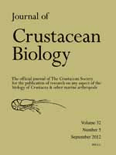
JOURNAL OF CRUSTACEAN BIOLOGY
Illuminating the Path of Crustacean ResearchJOURNAL OF CRUSTACEAN BIOLOGY, published by Oxford University Press, is a premier peer-reviewed journal dedicated to advancing the field of crustacean biology. With an ISSN of 0278-0372 and E-ISSN 1937-240X, this esteemed journal has been a critical platform for the dissemination of research since its inception in 1984, encompassing a diverse array of studies related to the biology, ecology, and conservation of crustaceans. As part of the Aquatic Science category, the journal ranks in the Q3 quartile, illustrating its increasing relevance and impact within the scientific community. Although it is not an open-access journal, the quality of content published here ensures that it is highly regarded among researchers, professionals, and students alike. With annual converged issues until 2024, the JOURNAL OF CRUSTACEAN BIOLOGY remains a vital resource for those interested in crustacean research and its implications for broader ecological studies.