
Rita-Revista Indexada de Textos Academicos
Scope & Guideline
Elevating Perspectives in Architecture and Urban Studies
Introduction
Aims and Scopes
- Architecture and Spatial Studies:
The journal emphasizes the exploration of architectural practices and their spatial implications, examining how built environments influence and reflect social dynamics. - Cultural and Historical Contextualization:
Many papers delve into the historical narratives and cultural contexts that shape architectural trends, providing critical insights into how past influences affect contemporary design. - Interdisciplinary Approaches:
Research often integrates perspectives from sociology, political science, and environmental studies, fostering a comprehensive understanding of architecture's role in society. - Focus on Inequalities and Marginalized Communities:
The journal frequently addresses themes of social justice, exploring how architecture can impact marginalized populations and contribute to or alleviate social inequalities. - Innovative Design Strategies:
There is a strong emphasis on new methodologies and technologies in architecture, including discussions on generative design and the integration of renewable energy solutions.
Trending and Emerging
- Sustainability and Renewable Energy Integration:
Recent publications increasingly focus on sustainable architectural practices and the integration of renewable energy, reflecting global concerns about climate change and ecological responsibility. - Gender and Space:
There is a growing interest in examining gender dynamics within architectural spaces, particularly how design can perpetuate or challenge gender inequalities. - Activism and Community Engagement:
Emerging themes include the role of architecture in activism, with studies emphasizing community participation and the importance of design in addressing social issues. - Posthumanism and Technological Influence:
The influence of technology on architectural design and theory is becoming more prominent, with discussions on posthumanism and the implications of AI and machine learning in architectural practices. - Cultural Narratives and Identity:
Explorations of cultural narratives and identity within architectural contexts are gaining importance, emphasizing how architecture can express and shape collective identities.
Declining or Waning
- Traditional Architectural History:
There appears to be a decreasing emphasis on traditional architectural history, with fewer papers dedicated to canonical works or figures in architecture, suggesting a move towards contemporary and applied studies. - Purely Aesthetic Critiques:
Discussions focused solely on aesthetic evaluations of architecture are becoming less common, indicating a shift towards more pragmatic and socially engaged analyses. - Regional Architectural Styles:
There is a diminishing focus on specific regional styles or movements, as the journal increasingly prioritizes broader theoretical frameworks and global perspectives. - Technical Aspects of Construction:
The technical discussions surrounding construction methods and materials have seen a decline, potentially reflecting a broader trend towards conceptual and theoretical explorations rather than technical specifications.
Similar Journals

RIHA Journal
Pioneering research in the visual and performing arts.RIHA Journal, an esteemed publication in the field of Visual Arts and Performing Arts, is published by the RIHA-INT ASSOC RESEARCH, INST HISTORY ART in Germany. Since its inception in 2010, this Open Access journal has aimed to foster scholarly discussion and dissemination of research within art history and related disciplines. With a commitment to providing a platform for innovative and interdisciplinary approaches, RIHA Journal is easily accessible to a global audience, encouraging researchers, professionals, and students alike to engage with cutting-edge scholarship. Despite its current position within the Q4 category and a Scopus rank of #402 out of 667, the journal's role is increasingly pivotal as it continues to expand its reach and impact within the academic community. Located at the Central Institute for Art History in Munich, Germany, RIHA Journal is dedicated to enriching the study of art history from 2010 to 2024 and beyond, paving the way for future explorations and discussions in the visual arts.
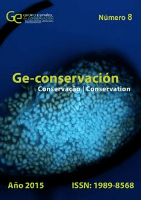
Ge-Conservacion
Innovating Practices for the Preservation of Art and HistoryGe-Conservacion, published by GRUPO ESPANOL I I C, stands as a pivotal journal in the fields of Conservation, Museology, and Visual Arts and Performing Arts, facilitating an open-access platform since 2009. Based in Spain, this journal serves as a vital repository for innovative research and scholarly dialogue, significantly impacting the community with its Q1 and Q2 rankings across several categories in 2023. With an objective to advance multidisciplinary understanding and practices related to cultural heritage conservation, it attracts a diverse readership of researchers, professionals, and students eager to engage with contemporary issues and methodologies. The journal's commitment to accessibility enhances its reach and influence, making it an essential resource for anyone passionate about preserving the integrity and significance of our artistic and historical treasures.

LOTUS INTERNATIONAL
Connecting Theory with Practice in Dynamic Creative FieldsLOTUS INTERNATIONAL is a distinguished journal published by EDITORIALE LOTUS, focusing on the dynamic fields of Architecture and Visual Arts and Performing Arts. With its ISSN 1124-9064, this scholarly periodical has been a platform for innovative research and discourse since its inception in 2002, resuming publication in 2021 after a brief hiatus. Based in the cultural hub of Milan, Italy, LOTUS INTERNATIONAL aims to bridge theoretical frameworks and practical applications, thereby fostering a deeper understanding of creative practices and their implications in modern society. As a Q4 ranked journal in its respective categories for 2023, it provides a unique opportunity for researchers and professionals to contribute to an evolving dialogue, even at the foundational percentile levels within its Scopus rankings. Although not an open-access journal, LOTUS INTERNATIONAL remains committed to disseminating valuable insights and advancing knowledge in the creative disciplines. With an accessible format, it invites a diverse audience, including students, to engage with emerging concepts that shape the future of art and architecture.
Interiors-Design Architecture Culture
Innovating Perspectives on Architecture and Cultural IdentityInteriors - Design Architecture Culture is a prominent academic journal dedicated to exploring the multi-dimensional relationship between interiors, design, and architecture, while also emphasizing their cultural significance. Published by Routledge Journals, Taylor & Francis Ltd, this journal serves as an essential platform for innovative research in the fields of architecture, cultural studies, and visual arts. The journal, which has been disseminating vital findings since its inception in 2010, plays a crucial role in fostering interdisciplinary discourse, and it currently holds a Q4 rank in Architecture and Cultural Studies, alongside a Q3 rank in Visual Arts and Performing Arts. Though it operates under a traditional access model, the journal's rigorously peer-reviewed articles are vital for researchers, professionals, and students alike, contributing to an enriched understanding of how interior spaces shape, and are shaped by, cultural dynamics. With an ISSN of 2041-9112 and E-ISSN of 2041-9120, the journal continues to make significant contributions to the academic discourse surrounding the design and cultural narratives of interior spaces.

IN BO-Ricerche e Progetti per il Territorio la Citta e l Architettura
Shaping the future of built environments with open access scholarship.IN BO-Ricerche e Progetti per il Territorio la Citta e l Architettura, published by the Department of Architecture at the University of Bologna, serves as a crucial conduit for scholarship in the fields of architecture, urban studies, building and construction, and visual arts. With its commitment to open access since 2008, this journal ensures that innovative research is accessible to a broad audience, fostering collaboration and advancement within these disciplines. Although it currently holds a Q4 ranking in various categories, including Architecture and Urban Studies, it plays a pivotal role in contextualizing contemporary challenges faced in urban development and architectural practice, thereby encouraging critical discourse. The journal publishes original research findings, case studies, and theoretical discussions aimed at enhancing the understanding of the interactions between built environments and social dynamics. Engaging researchers, professionals, and students alike, IN BO is dedicated to not only documenting but also shaping the future of urban and architectural landscapes in Italy and beyond.
Architecture and Culture
Bridging Architecture and Cultural NarrativesArchitecture and Culture is an esteemed journal published by Routledge Journals, Taylor & Francis Ltd, focusing on the intersection of architecture, cultural studies, urbanism, and the visual and performing arts. Since its inception, this journal has become a vital platform for researchers, professionals, and students to explore the multifaceted relationship between architecture and cultural identity within contemporary contexts. With an ISSN of 2050-7828 and an E-ISSN of 2050-7836, the journal reaches a global audience from its base in the United Kingdom. Featuring a commendable Q2 ranking in Visual Arts and Performing Arts and a consistent presence in multiple relevant quartiles, including Q3 in both Architecture and Cultural Studies, it is well-regarded for its scholarly impact. The journal offers a unique opportunity for interdisciplinary dialogue, fostering innovative research that examines how built environments shape and are shaped by cultural narratives. This commitment to advancing knowledge in these fields is reflected in its ongoing publication from 2014 to 2024, making it a pivotal resource for those at the forefront of the discourse on architecture and culture.

Revista 180
Fostering Innovation at the Intersection of DisciplinesRevista 180 is a distinguished academic journal published by UNIV DIEGO PORTALES in Chile, focusing on the critical intersections of architecture, urban studies, and visual and performing arts. With its ISSN of 0718-2309, this journal has consistently contributed to advancing knowledge in its respective fields since its inception in 2005, and will continue to do so until 2024. Highlighting its prestige, Revista 180 holds notable rankings in the Scopus database—placing in the 77th percentile in Visual Arts and Performing Arts and Q1 category, along with respectable Q2 and Q3 rankings in Architecture and Urban Studies, respectively. The journal serves as a vital platform for researchers, professionals, and students, fostering scholarly dialogue and innovation. As it operates under a traditional subscription model, it continues to emphasize the importance of accessible, high-quality research. By publishing rigorous and impactful research, Revista 180 plays a crucial role in shaping academic discourse in the arts and humanities.

Bulletin KNOB
Advancing Knowledge in Arts and HistoryBulletin KNOB, published by the KONINKLIJKE NEDERLANDSE OUDHEIDKUNDIGE BOND-KNOB, is a reputable Open Access journal that has been disseminating knowledge since 1899, with a continued commitment to making research accessible to all. Based in the Netherlands, this journal provides a platform for scholarly articles that span the fields of Conservation, History, and the Visual Arts and Performing Arts. With its 2023 Scopus rankings placing it in the top quartiles within its category, Bulletin KNOB is recognized for its significant contribution to the advancement of these disciplines. Researchers, professionals, and students alike are encouraged to engage with the journal's diverse content that bridges historical narratives with contemporary practices, fostering a deeper understanding of cultural heritage. The journal’s commitment to excellence is further reflected in its Q3 and Q4 quartile rankings, making it an essential resource for anyone dedicated to the study of the arts and humanities.
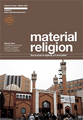
Material Religion
Investigating the Threads of Materiality in Spiritual PracticesMaterial Religion is a premier scholarly journal dedicated to examining the interplay between material culture and religious practices, published by Routledge Journals, Taylor & Francis Ltd, based in the United Kingdom. Since its inception in 2005, the journal has established itself as a vital resource in the fields of Religious Studies and Visual Arts and Performing Arts, holding a commendable Q2 quartile ranking and featuring a robust Scopus ranking that places it in the top 13% of its discipline. Designed to foster interdisciplinary dialogue, Material Religion offers a platform for innovative research that explores how material objects influence and are influenced by religious beliefs and practices. With no open access options, this journal continues to thrive as an essential reference for researchers, professionals, and students eager to understand the complexities of materiality in the context of religion and art. Positioned at the intersection of diverse academic fields, Material Religion not only contributes to scholarly discourse but also encourages critical reflections on how society engages with the material aspects of spirituality.

Prostor
Navigating the Complexities of Urban EnvironmentsProstor is an esteemed scholarly journal published by the University of Zagreb, Faculty of Architecture, dedicated to advancing knowledge in the fields of architecture, urban planning, and spatial studies. Since transitioning to an Open Access model in 2006, Prostor has made significant strides in providing unrestricted access to its contents, fostering a vibrant community of researchers, practitioners, and students interested in contemporary issues surrounding the built environment and social space. The journal's commitment to quality is reflected in its impressive rank within Scopus, particularly in the Arts and Humanities category (64th percentile) and within Engineering (Architecture) at the 49th percentile. Covering a broad array of interdisciplinary topics, Prostor serves as a vital platform for disseminating innovative research and fostering dialogue among professionals while engaging with practical and theoretical explorations of spatial design. With coverage spanning over two decades, Prostor remains a crucial resource for anyone seeking to navigate the complexities of architecture and urban studies.