
RUBBER CHEMISTRY AND TECHNOLOGY
metrics 2024
Driving Progress in Materials Science and Polymers
Introduction
Rubber Chemistry and Technology is a distinguished journal published by the American Chemical Society, focusing on the vital field of rubber science and technology. With the ISSN 0035-9475 and an E-ISSN of 1943-4804, this journal has provided a platform for scholarly research since its inception in 1970, straddling a rich history of contributions in the area of materials science and polymers. In the most recent assessments, it holds a Q3 ranking in both Materials Chemistry and Polymers and Plastics, indicative of its growing influence and respect in the scientific community. Researchers and professionals benefit from a wide spectrum of topics, including the latest advancements in rubber formulations, processing technologies, and applications across various industries. Although it operates under a traditional subscription model, its commitment to high-quality, peer-reviewed research makes it an essential resource for anyone involved in the cutting-edge study of rubber as a material. Given its ongoing publication and relevance to the field, Rubber Chemistry and Technology remains a cornerstone for professionals and academics eager to explore innovative rubber technologies and their applications.
Metrics 2024
 0.271.201.4073
Metrics History
Rank 2024
Scopus
IF (Web Of Science)
JCI (Web Of Science)
Quartile History
Similar Journals

Express Polymer Letters
Fast-Tracking Discoveries in Polymer StudiesExpress Polymer Letters is a leading open-access journal published by BUDAPEST UNIVERSITY OF TECHNOLOGY AND ECONOMICS, focusing on the fast-paced realm of polymer science and engineering. With a broad scope that encompasses the interdisciplinary fields of Chemical Engineering, Materials Chemistry, and Organic Chemistry, the journal serves as a crucial platform for researchers and professionals dedicated to advancing knowledge and innovation in polymer-related disciplines. Since its inception in 2007, it has consistently provided high-quality, peer-reviewed research and has achieved a respectable impact within various categories, evidenced by its Q2 quartile rankings across multiple Scopus categories and its competitive standings in the field. The journal's dedication to open access ensures that research is widely disseminated, promoting transparency and collaboration within the academic community. Positioned to converge into the future, Express Polymer Letters remains an essential resource for cutting-edge studies and developments, with an anticipated convergence period extending through 2024.
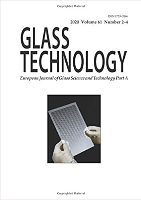
Glass Technology-European Journal of Glass Science and Technology Part A
Exploring New Horizons in Glass Materials and ChemistryGlass Technology - European Journal of Glass Science and Technology Part A, published by the SOC GLASS TECHNOLOGY in the United Kingdom, is an esteemed journal dedicated to advancing the field of glass science and technology. With a focus on ceramics, composites, and materials chemistry, the journal plays a pivotal role in disseminating significant research findings and innovations in glass technology. Despite its current positioning in the lower quartiles (Q4) of the 2023 category rankings, this journal serves as a valuable platform for emerging research and novel technologies within its domain. Researchers, professionals, and students are encouraged to explore the journal's contributions from 2006 through to 2024, which include peer-reviewed articles, reviews, and case studies essential for anyone involved in the glass industry or related fields. Though it operates under a subscription model, it maintains rigorous academic standards, ensuring that each publication meets the highest criteria for quality and relevance.
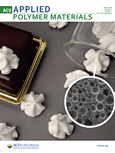
ACS Applied Polymer Materials
Exploring the Frontiers of Polymer ResearchACS Applied Polymer Materials is a prestigious journal published by the American Chemical Society, specifically tailored for the dynamic fields of Organic Chemistry, Polymers and Plastics, and Process Chemistry and Technology. With its ISSN 2637-6105, the journal has rapidly established itself within the academic community, achieving a distinguished Q1 quartile ranking across multiple categories in 2023. This places it among the top-tier journals globally, reinforcing its critical role in disseminating groundbreaking research and innovation in polymer science. The journal is known for its rigorous peer-review process and publishes high-quality articles that are pivotal for researchers, professionals, and students eager to advance knowledge in polymer materials and their applications. Positioned to cover converging themes from 2019 through 2024, ACS Applied Polymer Materials embraces a wide scope of studies, from fundamental chemistry to practical engineering applications, thereby fostering significant advancements in material science. While it offers traditional access options, the journal's impact is reflected in its impressive rankings within Scopus, indicating its relevance and influence in the chemical engineering domain. Join the global community of innovators and discover the latest insights that continue to shape the landscape of applied polymer research.

CELLULAR POLYMERS
Fostering Interdisciplinary Insights in Polymer ScienceCELLULAR POLYMERS, published by SAGE Publications Ltd, is a leading journal dedicated to the exploration and advancement of polymer science, particularly within the realms of organic chemistry and materials science. With an ISSN of 0262-4893 and E-ISSN of 1478-2421, this journal has been a critical resource for researchers and professionals since its inception in 1982, continuously evolving to retain its relevance in an ever-advancing field. Currently, it ranks in the Q3 quartile for both Organic Chemistry and Polymers and Plastics, reflecting its focused contributions to these disciplines. Despite accessing content through subscription, the journal’s indexed visibility in databases such as Scopus, with a percentile ranking of 41st in its category, highlights its significance in the academic community. CELLULAR POLYMERS serves as a platform for innovative research and developments in polymer processing, characterization, and applications, aiming to foster interdisciplinary collaborations and knowledge dissemination among scholars, practitioners, and students alike.

INTERNATIONAL POLYMER PROCESSING
Exploring Innovations in Polymer Processing TechnologiesINTERNATIONAL POLYMER PROCESSING, published by WALTER DE GRUYTER GMBH, serves as a crucial platform for professionals and researchers in the fields of Chemical Engineering, Industrial and Manufacturing Engineering, and Materials Science, particularly focusing on polymers and plastics. With its ISSN 0930-777X and E-ISSN 2195-8602, this journal has been in circulation since 1988 and continues to expand its contributions to contemporary research trends through to 2024. Ranking in the third quartile across multiple categories, including Chemical Engineering (miscellaneous) and Materials Chemistry, it offers insightful and rigorous peer-reviewed articles that enhance the understanding of polymer processing technologies and innovations. This journal is vital for anyone engaged in polymer science and engineering, providing both theoretical and practical perspectives that advance the field. Although it does not provide open access, the journal's content is indispensable for academia and industry professionals looking to stay at the forefront of polymer research.

Elastomers and Composites
Driving Progress in Elastomers and Composite TechnologiesElastomers and Composites is a leading academic journal dedicated to the advancement of knowledge in the fields of polymer science and materials engineering, specifically focusing on elastomers and composite materials. Published by RUBBER SOC KOREA, this journal serves as a vital platform for researchers and professionals to disseminate innovative research findings and insights in material properties, applications, and synthesis techniques. Although it currently does not offer open access, the journal provides rigorous peer-reviewed content that enhances the global dialogue on elastomeric materials and their composites, reflecting its commitment to high-quality scholarship. With a strong emphasis on practical relevance and theoretical advancements, Elastomers and Composites aspires to reshape industry practices and academic thought, making it an invaluable resource for students, researchers, and practitioners alike. Positioned strategically within its field, this journal fosters collaboration and dialogue among scientific communities, all while supporting the growth of cutting-edge research programs worldwide.
Materiaux & Techniques
Unlocking the Potential of Materials through Rigorous StudyMateriaux & Techniques, published by EDP SCIENCES S A, is a prominent journal in the field of materials science, specifically focusing on diverse and innovative techniques in material development and application. With an ISSN of 0032-6895 and an E-ISSN of 1778-3771, this French journal serves as a key resource for researchers and professionals looking to advance their knowledge and share their findings within the community. The journal holds a Q3 ranking in Materials Science (miscellaneous), indicating its role in contributing to various facets of material science research amidst a growing field. Despite operating under a traditional access model, it provides a platform for rigorous peer-reviewed studies and significant advancements in material technology. With a publication history tracing back to the late 1970s and extending through to 2024, Materiaux & Techniques continues to uphold its commitment to fostering high-quality discourse and innovation in materials science.
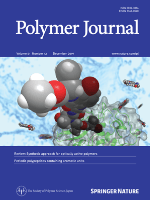
POLYMER JOURNAL
Elevating Knowledge in the World of PolymersPOLYMER JOURNAL, published by SpringerNature in the United Kingdom, is a premier academic platform dedicated to the field of polymer science. Since its inception in 1971, this journal has become an essential resource for researchers and professionals interested in the latest advancements in materials chemistry, polymers, and plastics. With its robust H-index and a consistent ranking in the top quartiles of its categories—Q2 in both Materials Chemistry and Polymers and Plastics—POLYMER JOURNAL demonstrates a strong impact in the scientific community. It holds significant recognition in Scopus rankings, occupying the 68th percentile in Materials Chemistry and the 67th percentile in Polymers and Plastics. The journal's commitment to publishing high-quality research articles enables it to serve as a key reference point for innovative studies, theoretical developments, and practical applications in polymer science. Although it is not an open-access journal, researchers and students gain valuable insights through its extensive archives and rigorous peer-reviewed content, making POLYMER JOURNAL a vital source of knowledge for anyone engaged in this dynamic field.

Journal of Rubber Research
Fostering Innovation through Rubber Research ExcellenceJournal of Rubber Research is an authoritative publication dedicated to the exploration and advancement of rubber science and technology, disseminated by SPRINGER SINGAPORE PTE LTD. With an ISSN of 1511-1768 and an E-ISSN of 2524-3993, this journal serves as a critical platform for researchers, professionals, and students interested in the intricacies of rubber, from cultivation to processing and product development. Although coverage in Scopus was discontinued after 2017, the journal provides valuable insights into its core areas, namely Agricultural and Biological Sciences and Chemistry, with Scopus ranks highlighting its niche position within these categories. The journal's objective is to facilitate knowledge transfer and inspire innovative approaches in rubber research, thereby contributing meaningfully to global discussions on sustainability and technological advancements within the industry. As a cornerstone for scholarly discourse in rubber science, the Journal of Rubber Research remains essential for those seeking to enhance their understanding of this vital resource.

Progress in Rubber Plastics and Recycling Technology
Fostering interdisciplinary collaboration for progress.Progress in Rubber Plastics and Recycling Technology, published by SAGE Publications Ltd, is a premier journal dedicated to advancing the fields of rubber, plastics, and recycling technologies. Since its inception in 2003, the journal has played a crucial role in disseminating high-quality research, bridging the gap between scientific inquiry and practical applications in chemical engineering and materials science. With an Impact Factor reflective of its rigorous peer-review process, and ranks placing it in the second quartile (Q2) for Chemical Engineering and third quartile (Q3) across Materials Chemistry, Organic Chemistry, and Polymers and Plastics, this journal serves as an essential resource for scholars and industry professionals alike. Although it does not offer Open Access, it remains a vital platform for discussing innovations and sustainable practices within the rubber and plastics sectors. The journal's objectives focus on fostering interdisciplinary collaborations and sharing findings that contribute to a sustainable future. As it continues through 2024, Progress in Rubber Plastics and Recycling Technology aims to inspire new directions in research and application in this ever-evolving field.