
STAR Protocols
metrics 2024
Advancing Knowledge with Cutting-Edge Methodologies
Introduction
STAR Protocols, published by Elsevier, is an esteemed open access journal that has been at the forefront of providing innovative experimental protocols since its inception in 2020. With a distinct focus on a range of scientific disciplines including Biochemistry, Genetics and Molecular Biology, Immunology and Microbiology, and Neuroscience, this journal serves as a vital resource for researchers, professionals, and students alike. The journal holds a commendable status, reflected by its Q1 and Q2 rankings across various relevant categories, ensuring the dissemination of high-impact research methods and findings. With its open access format, STAR Protocols encourages a broad readership and facilitates the sharing of pivotal knowledge in the scientific community, driving forward the culture of transparency and collaboration in research. Positioned in the vibrant academic landscape of the United States, it steadily contributes to the evolution of experimental methodologies, fostering innovation across disciplines.
Metrics 2024
 0.951.301.5019
Metrics History
Rank 2024
Scopus
IF (Web Of Science)
JCI (Web Of Science)
Quartile History
Similar Journals
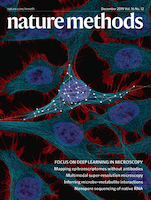
NATURE METHODS
Unveiling the latest advancements in biological methodologies.NATURE METHODS, published by NATURE PORTFOLIO, is a prestigious journal at the forefront of publishing influential research in the disciplines of Biochemistry, Biotechnology, Cell Biology, and Molecular Biology. With a high impact factor and its exemplary Q1 rankings across various categories in 2023, this journal epitomizes excellence, providing a vital platform for researchers and professionals to disseminate groundbreaking methodologies and innovative techniques that drive scientific advancement. Established in 2004 and continuing through to 2024, NATURE METHODS encompasses a diverse array of research articles, reviews, and commentary, making it an essential resource for anyone involved in the biological sciences. While the journal is not currently open access, its contributions are invaluable, offering insights that not only elevate academic discourse but also enhance experimental practice and technological application. Its influence and rigorous peer review process ensure it remains a cornerstone in the rapidly evolving fields of biochemistry and molecular biology.
PLOS BIOLOGY
Pioneering Open Access in Biological Research ExcellencePLOS BIOLOGY, published by PUBLIC LIBRARY SCIENCE, is a leading open-access journal that has been at the forefront of biological research since its inception in 2003. This high-impact journal (with an impressive Scopus ranking placing it in the top 10% across multiple biological disciplines) aims to disseminate groundbreaking research findings in a variety of fields, including Biochemistry, Genetics, Molecular Biology, Immunology, Microbiology, and Neuroscience. With a commitment to open-access principles, PLOS BIOLOGY ensures that its content is freely available to a global audience, fostering collaboration and innovation among researchers, professionals, and students worldwide. Its Q1 quartile status in 2023 highlights the journal's prestigious standing within the academic community, making it an essential resource for those seeking to stay updated with the latest advancements in biological sciences. The journal's scope extends from 2003 to 2024, reflecting its sustained relevance and impact in driving forward biological discoveries.
COMPTES RENDUS BIOLOGIES
Exploring the Frontiers of Life Sciences ResearchCOMPTES RENDUS BIOLOGIES, published by the esteemed Académie des Sciences, is a prominent journal based in France that contributes significantly to the fields of Agricultural and Biological Sciences, Biochemistry, Genetics and Molecular Biology, as well as Immunology and Microbiology. With a notable Q3 ranking in several categories as of 2023, this journal serves as an essential platform for disseminating groundbreaking research and advancements in these disciplines. Access is currently available under open access options, enhancing the reach and accessibility of its published findings. The journal has been in continuous publication since 1959, with a current focus extending to 2024, ensuring that it remains at the forefront of scientific communication. With its diverse scope and commitment to quality research, COMPTES RENDUS BIOLOGIES plays a crucial role in fostering dialogue and collaboration among researchers, professionals, and students who are dedicated to understanding and addressing complex biological questions.
International Journal of Biomedicine
Driving innovation in genetics, immunology, and beyond.International Journal of Biomedicine, published by INT MEDICAL RESEARCH & DEVELOPMENT CORP, is a premier Open Access journal dedicated to advancing knowledge in the multifaceted fields of biomedicine, including but not limited to biochemistry, genetics, immunology, microbiology, and neuroscience. With its ISSN 2158-0510 and E-ISSN 2158-0529, this journal has been serving as a significant platform for researchers since its inception in 2011, ensuring the dissemination of high-quality, peer-reviewed articles. Despite currently holding a Q4 ranking in prominent categories such as Biochemistry, Genetics and Molecular Biology and Neuroscience, the journal plays a vital role in fostering scientific dialogue and innovation in these rapidly evolving domains. The journal's commitment to accessibility further empowers both seasoned professionals and budding scholars to contribute to, and benefit from, the wealth of research that characterizes the biomedicine landscape. With a significant emphasis on interdisciplinary approaches and contemporary issues, the International Journal of Biomedicine is an essential resource for those aiming to navigate the complex intersections of health, disease, and biomedical discovery.

Advanced Biology
Exploring the Frontiers of Biochemistry and GeneticsAdvanced Biology, published by WILEY-V C H VERLAG GMBH, serves as a premier platform where innovative research and scientific breakthroughs in the fields of biochemistry, genetics, and molecular biology converge. Established in 2021, this journal has rapidly ascended to prominence, securing Q1 rankings in its primary categories, including general biochemistry and biomedical engineering, and a solid Q2 ranking in biomaterials. With an ISSN of 2701-0198 and an emphasis on open access, Advanced Biology ensures that rigorous peer-reviewed research is accessible to a global audience, enhancing visibility and fostering collaboration among researchers, professionals, and students alike. By 2024, it aims to continually elevate scientific understanding and innovation, catering to the growing interdisciplinary nature of these critical fields. With Scopus rankings placing it amongst the top quartiles in its disciplines, Advanced Biology is poised to make significant contributions to the future of life sciences.

Cell Reports Methods
Fostering Collaboration Through Rigorous Experimental InsightsCell Reports Methods is a cutting-edge journal published by CELL PRESS, focusing on innovative methodologies in the vast fields of biochemistry, genetics, biotechnology, and radiological sciences. Launched in 2021, it has rapidly ascended to attain a Q1 ranking across multiple disciplines in the latest 2023 metrics, reflecting its influential contribution to the scientific community. With an emphasis on practical and rigorous experimental approaches, this journal serves as a vital resource for researchers looking to advance their methodologies and collaborate on significant findings in their respective specialties. Despite not being an open-access publication, Cell Reports Methods ensures broad accessibility through institutional subscriptions, allowing researchers from various backgrounds to engage with high-quality scholarly work. The journal presents a unique platform for sharing insights from interdisciplinary methods that foster innovation and discovery, ultimately shaping the future of scientific research.

INDIAN JOURNAL OF EXPERIMENTAL BIOLOGY
Pioneering Research for a Healthier TomorrowINDIAN JOURNAL OF EXPERIMENTAL BIOLOGY, published by the NATL INST SCIENCE COMMUNICATION-NISCAIR, stands as a significant platform for the dissemination of original research in the fields of biochemistry, genetics, and molecular biology, particularly within the context of Indian scientific advancements. With its ISSN 0019-5189 and E-ISSN 0975-1009, the journal has been an essential resource since its inception in 1965, although coverage in prominent databases like Scopus was discontinued in 2018. The journal ranks in the 57th percentile for Biotechnology, as well as in the 27th and 25th percentiles for Molecular Biology and Cell Biology respectively, underscoring its impact and relevance. While currently not an Open Access journal, it continues to provide valuable insights and contributions from researchers and professionals in the growing field of experimental biology. The esteemed contributions published in this journal enhance our understanding of biological processes and foster the development of innovative solutions to contemporary challenges in health and environmental science.
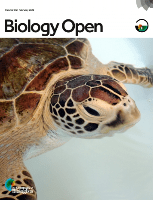
Biology Open
Unlocking the Future of Biology through Open Research.Biology Open, published by COMPANY BIOLOGISTS LTD, serves as a pivotal platform for the dissemination of innovative research within the field of biology. Since its inception in 2012, this open-access journal has established itself in the academic community, achieving Q1 status in Agricultural and Biological Sciences and Q2 ranking in Biochemistry, Genetics, and Molecular Biology as per the 2023 category quartiles. With an impressive Scopus ranking of #62 out of 221 and a 72nd percentile in its primary category, Biology Open continues to attract a diverse array of high-quality studies, fostering accessibility and collaboration across various biological disciplines. The journal's commitment to open-access publishing not only enhances visibility for authors but also promotes the rapid exchange of ideas within the scientific community. Researchers, professionals, and students alike can benefit from its extensive archive of articles, which spans from 2012 to 2024, facilitating knowledge transfer and supporting advancements in biological sciences.

BRAZILIAN JOURNAL OF MEDICAL AND BIOLOGICAL RESEARCH
Exploring the Frontiers of Biological ResearchThe BRAZILIAN JOURNAL OF MEDICAL AND BIOLOGICAL RESEARCH, published by the ASSOC BRAS DIVULG CIENTIFICA, serves as a vital platform for the dissemination of cutting-edge research in the fields of medicine and biological sciences. With an ISSN of 0100-879X and E-ISSN 1414-431X, this Open Access journal has been championing free access to vital scientific knowledge since 1997. It is indexed in Scopus with notable rankings across various disciplines, including a rank of #131 in General Medicine (79th percentile) and #20 in Pharmacology, Toxicology, and Pharmaceutics (75th percentile). Covering a broad scope of topics, the journal primarily focuses on areas such as biochemistry, biophysics, immunology, neuroscience, and physiology, with a commendable categorization of Q2 and Q3 quartiles for several relevant fields in 2023. Through its commitment to high-quality research and robust peer review processes, the journal not only consolidates its reputation within the academic community but also significantly contributes to the enhancement of scientific knowledge and innovation in Brazil and beyond. Researchers, professionals, and students will find an invaluable resource in this journal, which is pivotal for those looking to stay abreast of the latest developments in medical and biological research.

Open Biology
Advancing the frontiers of life sciences.Open Biology is a prestigious, interdisciplinary journal published by the Royal Society that has been paving the way in the fields of Biochemistry, Genetics and Molecular Biology, Immunology, and Neuroscience since its inception in 2011. Catering to a global audience of researchers, professionals, and students, Open Biology operates under an open access model, facilitating the unrestricted dissemination of high-quality research findings. With a current impact factor that positions its categories in the top quartile (Q1) and impressive Scopus rankings—evidencing its influence and reach—this journal serves as a vital platform for innovators and scientific inquiries aimed at advancing our understanding of life sciences. The journal's commitment to publishing cutting-edge research makes it an essential resource for those at the forefront of scientific exploration.