
Stem Cells International
metrics 2024
Connecting Researchers to Transform Stem Cell Science
Introduction
Stem Cells International is a premier open access journal published by HINDAWI LTD, focusing on the rapidly evolving field of stem cell research. With an ISSN of 1687-966X and E-ISSN 1687-9678, this journal has been a vital resource since its inception in 2010, showcasing innovative studies and breakthroughs up to 2024. Positioned in Q3 in Cell Biology and Q2 in Molecular Biology for 2023, as well as well-ranked in the Scopus database, the journal serves as an essential platform for researchers, professionals, and students dedicated to exploring the implications of stem cell technology in regenerative medicine and biological research. The open access model ensures wide accessibility, fostering collaboration and knowledge-sharing across the scientific community, making it a cornerstone in advancing the understanding and application of stem cell science.
Metrics 2024
 0.843.804.3097
Metrics History
Rank 2024
Scopus
IF (Web Of Science)
JCI (Web Of Science)
Quartile History
Similar Journals
IN VITRO CELLULAR & DEVELOPMENTAL BIOLOGY-ANIMAL
Transforming Knowledge in Cell BiologyIN VITRO CELLULAR & DEVELOPMENTAL BIOLOGY-ANIMAL, published by SPRINGER, is a pivotal journal in the fields of cell biology and developmental biology, focusing on in vitro studies that enhance our understanding of animal cellular mechanisms and development. With an ISSN of 1071-2690 and an E-ISSN of 1543-706X, this esteemed journal offers a platform for researchers to present their findings and contribute to the body of knowledge necessary for advancements in biological sciences. As a recognized publication, it holds a 2023 category quartile of Q4 in Cell Biology and Developmental Biology, and Q3 in miscellaneous Medicine, reflecting its competitive position yet inviting critical submissions that can span multidisciplinary approaches. Though currently not open access, it serves as an essential resource for professionals, researchers, and students dedicated to unraveling the complexities of cellular processes in an ever-evolving field. The journal has been continuously published since 1986, signifying its long-standing commitment to fostering scientific discourse and innovation.
Cell Stem Cell
Exploring Breakthroughs that Shape the Future of Regenerative MedicineCell Stem Cell, published by CELL PRESS, is a premier journal at the forefront of cellular biology, genetics, and molecular medicine. With an esteemed impact factor and recognized as a Q1 journal in multiple categories including Cell Biology, Genetics, and Molecular Medicine, it offers researchers, professionals, and students rigorous, peer-reviewed articles that shape the future of stem cell research and regenerative medicine. Located in Cambridge, MA, this journal has become an invaluable resource since its inception in 2007 and is committed to disseminating groundbreaking findings that drive innovation and understanding in these critical fields. By consistently ranking within the top percentile of its categories in Scopus, Cell Stem Cell remains an essential platform for scholarly communication, fostering collaboration among leading scientists worldwide. Although the journal does not currently offer open access options, its comprehensive insights are pivotal for anyone engaged in the study of stem cells and their applications.
Stem Cells Translational Medicine
Leading the Charge in Stem Cell AdvancementsStem Cells Translational Medicine, published by Oxford University Press, is a leading open-access journal that has been at the forefront of stem cell research since its launch in 2012. With an impressive impact across various categories, it occupies Q2 in Cell Biology and is highly recognized in Q1 for both Developmental Biology and Miscellaneous Medicine in 2023. Its strong Scopus rankings highlight its significance in the fields of Biochemistry, Genetics, and Molecular Biology, achieving an outstanding percentile ranking of 93rd in Developmental Biology. The journal provides a pivotal platform for researchers, professionals, and students to publish and access cutting-edge findings that contribute to the understanding and application of stem cell technology. With a commitment to disseminating high-quality scientific knowledge, Stem Cells Translational Medicine plays a vital role in advancing research and innovation within the rapidly evolving landscape of regenerative medicine.
Stem Cell Reviews and Reports
Illuminating Pathways in Stem Cell ScienceStem Cell Reviews and Reports is a prestigious journal published by SPRINGER specializing in the dynamic field of stem cell research, encompassing various aspects of cell biology and cancer research. With an ISSN of 2629-3269 and E-ISSN of 2629-3277, this journal serves as an essential resource for academics, offering insightful reviews and cutting-edge reports from 2009 to 2024. The journal has achieved a commendable Q2 ranking in both Cancer Research and Cell Biology categories as of 2023, highlighting its significant contribution to the scientific community. Additionally, with Scopus rankings placing it in the 74th percentile for both biochemistry and cell biology, it is recognized for its high-quality articles that foster innovative approaches in stem cell therapy and regenerative medicine. As an Open Access publication, Stem Cell Reviews and Reports ensures that its comprehensive content is readily available to researchers, professionals, and students, promoting collaboration and advancement in this vital area of study.
Regenerative Engineering and Translational Medicine
Bridging Science and Application in HealingRegenerative Engineering and Translational Medicine is an esteemed academic journal published by Springer Heidelberg, focusing on the interdisciplinary fields of biomaterials, biomedical engineering, and cell biology. With an ISSN of 2364-4133 and an E-ISSN of 2364-4141, the journal has carved a niche for itself since its inception in 2015, showcasing cutting-edge research that bridges the gap between scientific findings and practical applications in regenerative medicine. As a recognized platform in its field, it is currently positioned within Q3 quartiles in biomaterials, biomedical engineering, and medicine (miscellaneous), with a Scopus ranking that reflects its growing influence among peers. The journal aims to disseminate high-quality, peer-reviewed articles that highlight advancements in regenerative engineering, further advancing both theoretical and applied research. Scholars and practitioners seeking to stay at the forefront of the ever-evolving landscape of regenerative health solutions will find invaluable insights and innovations within these pages. Join a community of leading thinkers and explore the journal's comprehensive research contributions, which are crucial for fostering partnerships between academia and industry in the quest for transformative medical solutions.
Tissue Engineering and Regenerative Medicine
Elevating the Science of Tissue Engineering and RegenerationTissue Engineering and Regenerative Medicine, published by the Korean Tissue Engineering Regenerative Medicine Society, is a distinguished journal focusing on the interdisciplinary fields of tissue engineering, regenerative medicine, and related biomedical innovations. With an ISSN of 1738-2696 and an E-ISSN of 2212-5469, this journal disseminates cutting-edge research and advancements pivotal to developing therapeutic strategies that improve tissue function and repair. As a testament to its scholarly impact, it holds a Q2 ranking in both Biomedical Engineering and Medicine (miscellaneous) categories, reflecting its influence and relevance within the scientific community, particularly with a Scopus rank placing it in the 82nd percentile among similar journals. Although the journal does not offer open access, it provides vital insights and knowledge to researchers, professionals, and students involved in the quest for innovative solutions in medical science and engineering. With its convergence years extending from 2008 to 2024, the journal continues to be an essential platform for the dissemination of high-quality research that drives the field forward.
CELL BIOLOGY INTERNATIONAL
Championing Excellence in Cell Biology ResearchCELL BIOLOGY INTERNATIONAL is a prestigious academic journal dedicated to the rapidly evolving field of cell biology, publishing high-quality research aimed at understanding cellular processes and their implications in various biological contexts. Published by Wiley, this journal has established its relevance with an H-Index that reflects its robust citation impact and a commendable Scopus Rank of #111 out of 285 in the field of Biochemistry, Genetics, and Molecular Biology, positioning it in the 61st percentile. Although it operates under a traditional subscription model, its influential insights are crucial for researchers, professionals, and students alike who are seeking cutting-edge developments in cellular mechanisms and their applications in medicine. The journal spans contributions dating back to 1993, providing a rich archive of knowledge that continues to shape the discourse within the scientific community. With a strong category ranking of Q3 in Cell Biology and Q2 in Medicine (miscellaneous) as of 2023, CELL BIOLOGY INTERNATIONAL stands as a reliable platform for disseminating transformative science in the cellular domain.
Stem Cell Research
Advancing the frontiers of stem cell science.Stem Cell Research is a premier Open Access journal published by ELSEVIER, dedicated to advancing the understanding of stem cell biology. Since its inception in 2007, the journal has provided a platform for the latest research in the fields of Cell Biology, Developmental Biology, and Medicine, with its publication being accessible globally since 2014. Located in the Netherlands, the journal’s comprehensive scope aims to bridge fundamental discoveries with clinical applications, fostering collaboration among researchers and professionals. With a 2023 impact factor reflected in its Q4 ranking in Cell and Developmental Biology and a commendable position in the 64th percentile for General Medicine, Stem Cell Research remains a vital resource for those interested in the dynamic landscape of regenerative medicine. Targeting an audience that includes researchers, practitioners, and students, the journal emphasizes not only the significance of stem cells in medical science but also the ethical considerations and the public discourse surrounding stem cell research. Join the community committed to pioneering the future of stem cell science through rigorous peer-reviewed research.
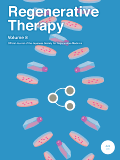
Regenerative Therapy
Pioneering research in regenerative therapy for a healthier tomorrow.Regenerative Therapy is a premier open-access journal dedicated to advancing the fields of biomaterials, biomedical engineering, and developmental biology. Published by Elsevier in Japan, this journal has been an influential platform since its inception in 2015, contributing significantly to the global discourse on regenerative medicine. With an impressive Q2 ranking in major categories such as Biomaterials and Biomedical Engineering, it is recognized for its quality of research and innovation. Researchers seeking to disseminate their findings or explore cutting-edge developments will find Regenerative Therapy to be invaluable, reflecting current trends and fostering collaborations across interdisciplinary boundaries. The journal offers open access, ensuring that high-quality research is available to a broad audience and enhances the impact of scholarly work in the regenerative medicine community.

Cell Journal
Bridging Disciplines in Cell and Molecular BiologyCell Journal is a leading interdisciplinary publication in the fields of Cell Biology, Developmental Biology, Molecular Biology, and Reproductive Medicine, published by ROYAN INST since its inception as an open-access journal in 2007. With an ISSN of 2228-5806 for print and 2228-5814 for electronic editions, it provides a vital platform for researchers and professionals to disseminate innovative findings and insights that shape our understanding of cellular processes and reproductive sciences. The journal boasts an impressive Scopus ranking, achieving a Q3 position in both Molecular Biology and Reproductive Medicine, highlighting its significance in the academic community. Situated in Tehran, Iran, Cell Journal encourages global collaboration through its accessible content, making cutting-edge research available to a diverse audience. As it converges from 2011 to 2024, the journal continues to emphasize the importance of thorough scientific inquiry, fostering advancements that drive both theoretical frameworks and practical applications in cell science.