
Materials Chemistry Frontiers
metrics 2024
Fostering Breakthroughs in Materials Chemistry
Introduction
Materials Chemistry Frontiers, published by the esteemed Royal Society of Chemistry, stands as a leading journal in the realm of materials science and chemistry, with an impressive Q1 ranking in both Materials Chemistry and Materials Science categories as of 2023. This open-access journal, operating from the United Kingdom, offers a platform for researchers, professionals, and students to disseminate high-quality, impactful research. With its E-ISSN 2052-1537, the journal is dedicated to publishing cutting-edge articles, reviews, and research communications that explore innovative materials and their applications, fostering a comprehensive understanding of the complex interplay between materials and their chemical properties. With consistent rankings in the Scopus metrics, being positioned at the 25th percentile among 317 in the Materials Chemistry category, it highlights its pivotal role in advancing the field. The journal thrives on contributions that broaden the scope of knowledge from 2017 to 2024 and beyond, solidifying its status as an essential resource for contemporary research in materials science.
Metrics 2024
 -6.006.00-
Metrics History
Rank 2024
IF (Web Of Science)
JCI (Web Of Science)
Quartile History
Similar Journals
ADVANCED FUNCTIONAL MATERIALS
Transforming Ideas into Advanced Functional SolutionsADVANCED FUNCTIONAL MATERIALS is a leading journal published by WILEY-V C H VERLAG GMBH, prominently recognized in the fields of biomaterials, chemistry, condensed matter physics, and materials science. With an impressive impact factor and a distinguished position in the Q1 quartile across multiple categories including nanoscience and nanotechnology, this journal serves as a vital platform for researchers and professionals committed to innovating in functional materials. Since its inception in 2000, ADVANCED FUNCTIONAL MATERIALS has published high-quality peer-reviewed articles that push the boundaries of materials science, exploring new frontiers in electronic, optical, and magnetic materials. The journal's dedication to open access ensures that its groundbreaking findings are readily available to a global audience, fostering collaboration and knowledge-sharing among scholars and practitioners in the field. For those seeking to stay at the forefront of materials research, ADVANCED FUNCTIONAL MATERIALS is an essential resource.
ACS Materials Au
Connecting Researchers with Cutting-Edge DiscoveriesACS Materials Au, published by the American Chemical Society, is a premier open-access journal that has been at the forefront of materials science since its inception in 2021. With an ISSN of 2694-2461, this journal encompasses an expansive range of topics including biomaterials, electronic, optical and magnetic materials, materials chemistry, and polymers and plastics, consistently achieving Q1 rankings in these categories for 2023. The journal is based in the United States and operates from the AMS's headquarters in Washington, DC, offering significant visibility and a robust platform for researchers. The journal's commitment to open access ensures wide dissemination of groundbreaking research, enabling a diverse audience—including researchers, professionals, and students—to engage with the latest advancements in materials science. With an encouraging impact factor and a focus on novel materials and innovative applications, ACS Materials Au stands as a vital resource for anyone devoted to understanding and advancing the frontiers of materials engineering and science.
Inorganics
Empowering Researchers in the World of InorganicsInorganics is a vibrant, peer-reviewed Open Access journal dedicated to advancing the field of inorganic chemistry, published by MDPI since 2013. Based in Switzerland, this journal aims to provide a dynamic platform for researchers, professionals, and students to share groundbreaking findings, fostering collaboration and innovation within the global scientific community. With an impressive Q2 ranking in the category of Inorganic Chemistry as of 2023, Inorganics stands out as a significant conduit for high-quality research that spans a wide range of topics from coordination compounds to metal-organic frameworks. Its commitment to accessibility ensures that cutting-edge research can be accessed, utilized, and built upon by a diverse audience, thereby amplifying its impact. Join the conversation in Inorganics and contribute to the ever-evolving landscape of inorganic chemical research.
InfoMat
Empowering Scholars with Cutting-Edge Insights in Materials ChemistryInfoMat is a premier open-access journal published by WILEY that serves as a vital resource for scholars and practitioners in the fields of materials science, materials chemistry, and related disciplines. Since its inception in 2019, this journal has rapidly ascended in academic stature, currently holding a prestigious Q1 ranking across multiple categories, including Electronic, Optical and Magnetic Materials, Materials Chemistry, and Surfaces, Coatings and Films, showcasing its significant impact and relevance. With a commendable impact factor and a comprehensive scope, InfoMat provides a platform for high-quality research that drives innovation in the materials domain, appealing to researchers, professionals, and students alike. The journal’s open-access model enhances visibility and accessibility of cutting-edge studies, fostering a collaborative and informed scientific community. Based in the United Kingdom, InfoMat continues to shape the future of materials research through its commitment to excellence and accessibility.
SYNTHETIC METALS
Advancing the Future of Materials Science.SYNTHETIC METALS is a leading academic journal published by Elsevier Science SA, focusing on the interdisciplinary field of materials science with an emphasis on the development and application of synthetic metallic materials. Established in 1979, this esteemed journal offers a platform for innovative research that promotes advancements in condensed matter physics, electronic materials, materials chemistry, and mechanical engineering. With an impressive Q1 ranking in Metals and Alloys and Q2 rankings across various other categories, SYNTHETIC METALS serves as a vital resource for researchers, professionals, and students seeking to explore complex material systems and their applications in industry. Although it does not currently offer open access, the journal's impact is highlighted by its robust Scopus rankings, ensuring high visibility and dissemination of meaningful research outcomes. As it progresses through its convergence period to 2024, SYNTHETIC METALS remains dedicated to advancing knowledge and fostering scientific inquiry in the field of materials science.
Journal of Ovonic Research
Illuminating the Future of Electronic and Optical Materials.Journal of Ovonic Research is a distinguished publication dedicated to advancing the fields of electronic, optical, and magnetic materials. Published by VIRTUAL CO PHYSICS SRL, this journal offers a platform for researchers to share innovative findings and developments that push the boundaries of technology and materials science. With an ISSN of 1842-2403 and an E-ISSN of 1584-9953, it provides an important service to the academic community, particularly within Romania and beyond. Despite its recent inception in 2011, the journal has gained traction in the academic landscape, reflecting a Q4 quartile ranking in crucial categories such as Electronic, Optical and Magnetic Materials, as well as in Physics and Astronomy. The Scopus rankings further underscore its positioning, ranking within the 25th to 37th percentile across various disciplines, making it a valuable resource for professionals and students alike. Although the journal currently operates on a non-open access basis, it remains committed to exploring the latest advancements in materials science, encouraging interdisciplinary collaboration and fostering a deeper understanding of surface, coating, and film technologies. As the field evolves, Journal of Ovonic Research stands as a beacon for scholarly communication, bridging the gap between research and practical application.

Frontiers in Materials
Pioneering Transformative Applications in Materials Science.Frontiers in Materials, an esteemed journal published by FRONTIERS MEDIA SA, is a leading platform in the field of Materials Science, with a notable impact factor placing it in the Q2 category of its discipline as of 2023. Since its establishment as an Open Access journal in 2014, it has fostered considerable academic exchange, allowing researchers from around the globe to share their innovative findings and insights. Based in Lausanne, Switzerland, this journal not only emphasizes high-quality peer-reviewed articles but also prioritizes rapid dissemination of research, as evidenced by its commendable Scopus ranking of #62 out of 196 in Materials Science (miscellaneous). By consistently striving to bridge the gap between academia and practical applications, Frontiers in Materials serves as an invaluable resource for researchers, professionals, and students seeking to delve into cutting-edge advancements and transformative applications in materials science.
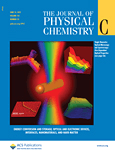
Journal of Physical Chemistry C
Elevating understanding in the realm of physical chemistry.The Journal of Physical Chemistry C, published by the American Chemical Society, stands as a pivotal resource in the realm of materials science and physical chemistry. With an impact factor reflecting its esteemed reputation, this journal showcases high-quality research spanning topics such as electronic, optical, and magnetic materials, as well as nanoscience and nanotechnology. Hailing from the United States, it operates without an open access model, yet its contributions are critical for advancing our understanding of surfaces, coatings, and films. Notably, the journal is classified in Quartile 1 (Q1) for several categories, underscoring its prominence in Physical and Theoretical Chemistry and related fields. Researchers, professionals, and students alike will find value in the comprehensive discussions and innovative research trends presented. The scholarly articles published from 2007 to 2024 not only drive forward scientific inquiry but also inform practical applications in various industries, making this journal an essential tool for anyone committed to excellence in the sciences.
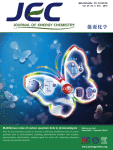
Journal of Energy Chemistry
Bridging Science and Sustainability in EnergyThe Journal of Energy Chemistry, published by Elsevier, is a premier international journal that has established itself at the forefront of research in the fields of electrochemistry and energy technology. With an impressive impact factor, this journal is classified in the Q1 quartile across multiple categories including Energy Engineering and Power Technology, Fuel Technology, and Electrochemistry, underscoring its significant contribution to advancing knowledge and innovation in energy systems. Based in the Netherlands, the journal offers open access to its cutting-edge research, allowing for broad dissemination and engagement among researchers, professionals, and students alike. The scope of the journal spans crucial topics from chemical energy storage to sustainable energy solutions, making it an essential resource for those looking to understand and contribute to the evolving landscape of energy chemistry.
SusMat
Transforming Ideas into Sustainable PracticesSusMat is a pioneering open access journal published by WILEY, with an ISSN of 2766-8479 and E-ISSN of 2692-4552, dedicated to advancing knowledge in the field of sustainable materials and technologies. Launched in 2021, SusMat aims to provide a vibrant platform for researchers, professionals, and students from interdisciplinary backgrounds to explore and disseminate innovative materials and strategies that promote sustainability. With an emphasis on high-quality, peer-reviewed research, this journal contributes to the growing body of literature essential for addressing contemporary environmental challenges. Furthermore, the open access format enhances accessibility and dissemination of knowledge, encouraging broader engagement and collaboration within the scientific community. Discover the future of sustainable materials at SusMat, where impactful research meets global sustainability goals.