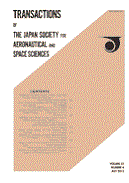
TRANSACTIONS OF THE JAPAN SOCIETY FOR AERONAUTICAL AND SPACE SCIENCES
metrics 2024
Elevating the Discourse in Space Science
Introduction
TRANSACTIONS OF THE JAPAN SOCIETY FOR AERONAUTICAL AND SPACE SCIENCES is a distinguished journal published by the Japan Society for Aeronautical and Space Sciences, focusing on the latest advancements and research in the fields of aerospace engineering and space and planetary science. With a broad range covering theoretical studies, practical applications, and experimental research, this journal serves as a vital platform for researchers, professionals, and students keen to explore the intricacies of aeronautics and space technologies. Although currently closed to open access, the journal maintains a significant presence in the academic community, boasting a 2023 Scopus ranking of Q3 in both of its respective fields and offering insights that contribute to ongoing discussions and innovations in aerospace. Since its inception in 1969 and with publications extending to 2024, the journal not only reflects the evolving landscape of aeronautics and space sciences but also encourages discourse that paves the way for future breakthroughs. For your engagement and contributions to this dynamic field, the TRANSACTIONS OF THE JAPAN SOCIETY FOR AERONAUTICAL AND SPACE SCIENCES stands as an essential resource.
Metrics 2024
 0.300.700.7022
Metrics History
Rank 2024
Scopus
IF (Web Of Science)
JCI (Web Of Science)
Quartile History
Similar Journals

Chinese Space Science and Technology
Showcasing Breakthroughs in Space TechnologyChinese Space Science and Technology is a pivotal journal dedicated to advancing the field of space engineering and technology, published by the esteemed Chinese Academy of Space Technology. With an ISSN of 1000-758X, this publication serves as a significant platform for cutting-edge research from China and around the globe, spanning vital intersections of Aerospace Engineering, Electrical and Electronic Engineering, and Materials Science. As evidenced by its Q3 ranking in 2023 across these categories, the journal consistently showcases innovative studies that contribute to the development of space technology, thereby impacting both theoretical frameworks and practical applications in the industry. Researchers and professionals will find valuable insights within its pages, while students can enrich their educational journey through its wealth of knowledge. Though primarily published in print, the journal continues to foster collaboration and engagement among the academic community, offering a glimpse into the future of space exploration and technological advancements through its relevant and timely content.
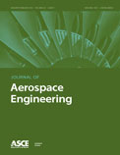
JOURNAL OF AEROSPACE ENGINEERING
Elevating knowledge in aerospace through rigorous research.JOURNAL OF AEROSPACE ENGINEERING, published by the American Society of Civil Engineers (ASCE), is a premier scholarly journal that serves as an essential resource for engineers and researchers in the aerospace engineering domain. With an ISSN of 0893-1321 and an E-ISSN of 1943-5525, this journal has been dedicated to advancing knowledge since its inception in 1988 and will continue to do so through to 2024. The journal is categorized in the Q2 quartile across multiple engineering disciplines, including Aerospace Engineering, Civil and Structural Engineering, Materials Science, and Mechanical Engineering, reflecting its reputable standing in the community. The impact factor speaks to its influence and relevance, making it a critical reference for ongoing research and innovations. Although this journal does not offer open access, it ensures that its content is comprehensive, engaging, and peer-reviewed, targeting a diverse audience of professionals, academics, and students involved in the fields of aerospace engineering and related disciplines. The journal actively contributes to shaping future engineering practices, showcasing cutting-edge research and fostering collaboration among discipline experts.

Advances in Aircraft and Spacecraft Science
Connecting Scholars to Shape the Future of AerospaceAdvances in Aircraft and Spacecraft Science is a distinguished journal published by TECHNO-PRESS, focusing on the rapidly evolving fields of aerospace engineering and fluid dynamics. With an ISSN of 2287-528X and an E-ISSN of 2287-5271, this journal is an invaluable resource for researchers, professionals, and students dedicated to advancing knowledge in aircraft and spacecraft technologies. Established in 2014, the journal is committed to disseminating high-quality research findings and innovative methodologies, ensuring that cutting-edge studies can be accessed globally. Despite its current position in the Q4 category for both aerospace engineering and fluid flow transfer processes, it continues to carve a niche in the academic landscape, with Scopus rankings highlighting its contribution to these fields. Operating from South Korea, Advances in Aircraft and Spacecraft Science aims to inspire collaboration and knowledge-sharing among scholars, fostering advancements that drive the aerospace industry forward.
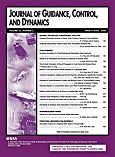
JOURNAL OF GUIDANCE CONTROL AND DYNAMICS
Advancing Aerospace Innovation and ControlJOURNAL OF GUIDANCE CONTROL AND DYNAMICS, published by the American Institute of Aeronautics and Astronautics, is a premier academic journal dedicated to the field of aerospace engineering and related disciplines. With a legacy that spans from 1978 to 2024, this journal holds an esteemed position within the academic community, boasting an impressive Q1 quartile ranking in various categories, including Aerospace Engineering, Control and Systems Engineering, and Space and Planetary Science. Its rigorous peer-review process ensures high-quality research dissemination, making it an essential resource for researchers, professionals, and students alike. The journal's commitment to advancing knowledge in guidance, control systems, and dynamics is evident through its competitive Scopus ranking, with a notable percentile ranking in Applied Mathematics and Electrical Engineering. As a pivotal platform for cutting-edge advancements, JOURNAL OF GUIDANCE CONTROL AND DYNAMICS continues to shape the future of aerospace innovation.
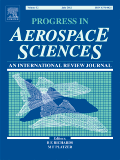
PROGRESS IN AEROSPACE SCIENCES
Transforming aerospace knowledge into practical advancements.PROGRESS IN AEROSPACE SCIENCES is a prestigious journal published by PERGAMON-ELSEVIER SCIENCE LTD, recognized as a leading platform in the field of aerospace engineering, mechanical engineering, and mechanics of materials. With an impressive history dating back to 1961, the journal covers a wide spectrum of topics pivotal to advancing aerospace technology and innovation. Its recent ranking as Q1 in multiple engineering categories underscores its significance, ranking #1 in Aerospace Engineering and placing within the top 20 percentile in both Mechanical Engineering and Mechanics of Materials, according to Scopus assessments. Researchers, professionals, and students looking to engage with high-impact research will find PROGRESS IN AEROSPACE SCIENCES an invaluable resource, offering insights into cutting-edge developments and methodologies. Although it does not operate under an open-access model, the journal upholds rigorous peer-review standards, ensuring that the published content meets the highest academic integrity. Situated in the United Kingdom, it plays a critical role in fostering international collaboration and knowledge-sharing in the aerospace sector.

Journal of the Global Power and Propulsion Society
Fostering Global Dialogue in Aerospace AdvancementsJournal of the Global Power and Propulsion Society, published by GLOBAL POWER PROPULSION SOC, is a premier open-access journal established in 2017, dedicated to the dissemination of innovative research and advancements in the fields of aerospace engineering, industrial and manufacturing engineering, and mechanical engineering. Based in Zug, Switzerland, this journal provides a critical platform for researchers, professionals, and students to engage with cutting-edge studies and emerging technologies that are pivotal to the aerospace and propulsion sectors. With an impressive categorization in the Q2 quartile for multiple engineering specialties in 2023, the journal reflects its commitment to quality and rigor in its peer-reviewed articles. Moreover, it holds substantial visibility in the academic community, as evidenced by its Scopus rankings. The Journal of the Global Power and Propulsion Society stands at the intersection of innovation and collaboration, aiming to foster knowledge sharing globally while enhancing the operational capabilities of power and propulsion technologies.
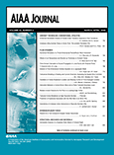
AIAA JOURNAL
Unveiling Cutting-Edge Research for Tomorrow's Aerospace LeadersAIAA JOURNAL, published by the American Institute of Aeronautics and Astronautics, stands as a premier peer-reviewed platform for cutting-edge research in the field of aerospace engineering. With an esteemed Q1 classification in the Aerospace Engineering category and a notable rank within the top 20% of its field according to Scopus, this journal has become an essential resource for researchers, professionals, and students alike. Spanning over six decades of impactful scholarship from 1963 to 2024, the AIAA JOURNAL contributes significantly to the advancement of aerospace technologies and methodologies. While it does not offer open access, its rigorous editorial standards and impactful articles ensure that it remains a vital source for those seeking to stay at the forefront of aerospace innovation. Explore the rich tradition of excellence and stay informed on the latest discoveries that shape the world of flight and space exploration.

International Journal of Aeronautical and Space Sciences
Elevating Knowledge in Aeronautical SciencesThe International Journal of Aeronautical and Space Sciences, published by Springer, is a prominent platform dedicated to advancing research and innovation in the fields of Aerospace Engineering, Control and Systems Engineering, Electrical and Electronic Engineering, and Materials Science. With an ISSN of 2093-274X and an E-ISSN of 2093-2480, the journal has established itself as a vital resource since its inception in 2011, currently offering insights that span a wide range of contemporary challenges and technological advancements in aeronautics and space exploration. Ranking in the Q2 category across multiple disciplines, including Aerospace and Control Engineering, signifies its recognized impact and quality within the academic community. Although not an open-access journal, it remains accessible to researchers, professionals, and students seeking to enhance their understanding of complex aerospace systems and their applications. The journal’s commitment to publishing high-quality research makes it indispensable for those aiming to contribute to, or stay informed about, the evolving landscape of aerospace technology.

JOURNAL OF THE AMERICAN HELICOPTER SOCIETY
Exploring the Future of Helicopter Engineering.The Journal of the American Helicopter Society, published by the American Helicopter Society Inc., serves as a leading platform for innovative research in aerospace engineering, mechanical engineering, and materials science. With its ISSN 0002-8711 and E-ISSN 2161-6027, this esteemed journal has been disseminating pivotal findings since 1969 and continues to capture cutting-edge advancements in the field. The journal is distinguished by its position in the top quartile (Q1) for Aerospace Engineering and Mechanics of Materials, and Q2 for Materials Science (miscellaneous), reflecting its rigorous standards and significant influence on both academia and industry. Researchers, professionals, and students benefit from access to comprehensive studies, case analyses, and reviews, all aimed at enhancing knowledge and fostering innovation in rotary-wing aircraft technologies. As the field continues to evolve through new challenges and innovations, the Journal of the American Helicopter Society remains a vital resource for those committed to advancing helicopter design, operation, and safety.
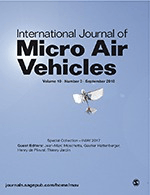
International Journal of Micro Air Vehicles
Innovating the Skies: Research that Takes FlightThe International Journal of Micro Air Vehicles, published by SAGE Publications Ltd, stands as a pioneering platform for cutting-edge research in the rapidly evolving field of micro air vehicle (MAV) technology. With an ISSN of 1756-8293 and an E-ISSN of 1756-8307, this journal caters to a diverse readership, including aerospace engineers, researchers, and industry professionals who are at the forefront of innovation in aerospace engineering. It holds a commendable position within the Q3 category of Aerospace Engineering for 2023 and is ranked 65th out of 153 in Scopus, placing it in the 57th percentile among its peers. As a vital resource since its inception in 2010, the journal emphasizes advancements in design, performance, and applications of MAVs, while facilitating knowledge sharing and collaboration across disciplines. Although it operates on a subscription model, the journal ensures accessibility of pivotal research findings for professionals and scholars alike, aiming to shape the future of aerospace applications through rigorous academic inquiry.