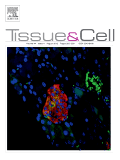
TISSUE & CELL
metrics 2024
Connecting Research to Real-World Impact
Introduction
TISSUE & CELL is a prominent academic journal, published by CHURCHILL LIVINGSTONE, that has been at the forefront of research in the fields of cell biology, developmental biology, and miscellaneous areas of medicine since its inception in 1969. With a strong focus on high-quality research, TISSUE & CELL has established itself within the academic community, holding a Q3 ranking in both Cell Biology and Developmental Biology, and a Q2 ranking in Medicine as of 2023. The journal aims to disseminate significant findings that contribute to the understanding of tissue structure and function, helping to bridge the gap between basic biological research and clinical applications. While it operates on a subscription basis and does not currently offer Open Access options, the journal remains a vital resource for researchers, professionals, and students interested in cutting-edge developments in the biological sciences. The journal's address is located in the scenic city of Edinburgh, further establishing its academic heritage in the United Kingdom.
Metrics 2024
 0.592.702.5059
Metrics History
Rank 2024
Scopus
IF (Web Of Science)
JCI (Web Of Science)
Quartile History
Similar Journals

BIOCELL
Exploring the Depths of Biochemistry and GeneticsBIOCELL is a distinguished peer-reviewed journal dedicated to the field of Cell Biology, published by TECH SCIENCE PRESS. Since its inception in 1995, the journal has been at the forefront of disseminating innovative research, with converged publication years extending from 1995 to 2013 and from 2015 to 2024. Although it currently holds a Q4 ranking in the Cell Biology category according to the 2023 category quartiles, BIOCELL aims to foster advancements by providing a platform for researchers, professionals, and students to share their findings in biochemistry, genetics, and molecular biology. The journal is available in both print (ISSN: 0327-9545) and digital formats (E-ISSN: 1667-5746) and seeks to attract contributions that enhance scholarly dialogue and understandings of cellular mechanisms and innovations. With a commitment to quality research and critical discourse, BIOCELL plays an important role in nurturing the scientific community within Argentina and beyond, offering vital insights that contribute to the advancement of the life sciences.
Journal of Stem Cells & Regenerative Medicine
Pioneering Research for a Healthier TomorrowThe Journal of Stem Cells & Regenerative Medicine is a leading publication dedicated to the advancing field of stem cell research and regenerative medicine. Established in India and published by JOURNAL STEM CELLS & REGENERATIVE MEDICINE, this Open Access journal has been available since 2007, providing researchers and practitioners with free and unrestricted access to high-quality articles. With an ISSN of 0973-7154, the journal is indexed in Scopus, featuring a wide array of topics and insights into biochemistry, biotechnology, cell biology, and molecular biology, as denoted by its relevant quartile rankings. This journal is committed to bridging the gap between laboratory research and clinical applications, making significant contributions to the scientific community. The convergence of innovative studies from 2010 to 2024 positions it as an invaluable resource for those looking to stay at the forefront of stem cell and regenerative medicine research.

npj Regenerative Medicine
Exploring Breakthroughs in Regenerative Science.npj Regenerative Medicine, published by NATURE PORTFOLIO, is at the forefront of research and innovation in the field of regenerative medicine, fostering a deep understanding of cellular and molecular processes that can be leveraged for therapeutic advancements. Launched as an Open Access journal since 2016, it ensures wide dissemination of knowledge, allowing researchers, professionals, and students to access high-quality articles without barriers. With an impressive impact, it holds Q1 ratings across multiple categories including Biomedical Engineering, Cell Biology, Developmental Biology, and Medicine (miscellaneous) as of 2023, indicating its critical role in shaping contemporary scientific discourse. The journal ranks notably within the top 10% in multiple Scopus categories, indicating its commitment to publishing pioneering research that addresses pressing challenges in regenerative therapies. Addressing the dynamic convergence of disciplines, npj Regenerative Medicine is poised to not only impact academic thought but also translate into clinical applications, making it a pivotal resource for those invested in the future of medicine.
International Journal of Stem Cells
Fostering Global Collaboration in Stem Cell ResearchThe International Journal of Stem Cells is a distinguished peer-reviewed journal dedicated to advancing the field of stem cell research. Published by the Korean Society for Stem Cell Research, this journal has established itself as a vital source of high-quality research since its inception in 2008. Operating under the ISSN 2005-3606 and E-ISSN 2005-5447, the journal caters to a global audience, featuring works that span a diverse array of topics within Cell Biology and Developmental Biology. It is noteworthy that as of 2023, the journal is ranked Q3 in Cell Biology and Q2 in Developmental Biology, highlighting its growing influence and credibility in the scientific community. Given its commitment to facilitating open scientific communication, it is crucial for researchers, professionals, and students to engage with the rigorous research published in this journal as it profoundly impacts the understanding and application of stem cell science. With accessibility to a wealth of innovative studies, the International Journal of Stem Cells remains an indispensable resource for anyone interested in the transformative potential of stem cell research.

Stem Cells International
Connecting Researchers to Transform Stem Cell ScienceStem Cells International is a premier open access journal published by HINDAWI LTD, focusing on the rapidly evolving field of stem cell research. With an ISSN of 1687-966X and E-ISSN 1687-9678, this journal has been a vital resource since its inception in 2010, showcasing innovative studies and breakthroughs up to 2024. Positioned in Q3 in Cell Biology and Q2 in Molecular Biology for 2023, as well as well-ranked in the Scopus database, the journal serves as an essential platform for researchers, professionals, and students dedicated to exploring the implications of stem cell technology in regenerative medicine and biological research. The open access model ensures wide accessibility, fostering collaboration and knowledge-sharing across the scientific community, making it a cornerstone in advancing the understanding and application of stem cell science.

INTERNATIONAL JOURNAL OF EXPERIMENTAL PATHOLOGY
Connecting Scientists to Transform Pathological UnderstandingINTERNATIONAL JOURNAL OF EXPERIMENTAL PATHOLOGY, published by Wiley, is a leading peer-reviewed journal dedicated to the field of experimental pathology. With an ISSN of 0959-9673 and E-ISSN 1365-2613, the journal has been a vital resource for researchers and professionals since its inception in 1990, covering a broad spectrum of topics within pathology, cell biology, and molecular biology. The journal's relevancy is underscored by its Q2 ranking in Pathology and Forensic Medicine and Q3 rankings in both Cell Biology and Molecular Biology, as of 2023, reflecting its significant contribution to the scientific community. Although it does not currently offer open access options, readers can benefit from its insightful research articles and reviews that guide advancements in diagnostic pathology and therapeutic strategies. As the journal continues to evolve, it remains committed to facilitating the exchange of innovative ideas and findings that drive progress in experimental pathology and related fields, making it an indispensable platform for scientists, clinicians, and students alike.
Cell Stem Cell
Elevating Research Standards in Stem Cell and Molecular BiologyCell Stem Cell, published by CELL PRESS, is a premier journal at the forefront of cellular biology, genetics, and molecular medicine. With an esteemed impact factor and recognized as a Q1 journal in multiple categories including Cell Biology, Genetics, and Molecular Medicine, it offers researchers, professionals, and students rigorous, peer-reviewed articles that shape the future of stem cell research and regenerative medicine. Located in Cambridge, MA, this journal has become an invaluable resource since its inception in 2007 and is committed to disseminating groundbreaking findings that drive innovation and understanding in these critical fields. By consistently ranking within the top percentile of its categories in Scopus, Cell Stem Cell remains an essential platform for scholarly communication, fostering collaboration among leading scientists worldwide. Although the journal does not currently offer open access options, its comprehensive insights are pivotal for anyone engaged in the study of stem cells and their applications.

Cells & Development
Innovating Insights into Cellular MechanismsCells & Development is a premier journal published by Elsevier, dedicated to advancing the field of Developmental Biology. With an ISSN of 2667-2901 and an impressive Q2 ranking in its category for 2023, the journal endeavors to provide a platform for high-quality research articles that explore cellular mechanisms, developmental processes, and molecular interactions that underpin growth and differentiation. Based in the Netherlands, Cells & Development not only emphasizes the importance of innovative experimental approaches but also encourages interdisciplinary contributions that bridge the gap between basic and applied science. As an Open Access publication, it ensures that research findings are readily accessible to a global audience, significantly enhancing visibility and impact. The journal's commitment to scholarly excellence makes it an essential resource for researchers, professionals, and students aiming to contribute to the dynamic field of developmental biology.
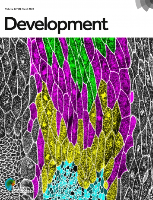
DEVELOPMENT
Pioneering insights into developmental processes and health.DEVELOPMENT is a preeminent journal published by COMPANY BIOLOGISTS LTD, headquartered in the United Kingdom. With an ISSN of 0950-1991 and an E-ISSN of 1477-9129, this esteemed journal has been at the forefront of the fields of Developmental Biology and Molecular Biology since its inception in 1987. Recognized for its rigorous peer review process and high-caliber research, DEVELOPMENT holds an impressive Q1 ranking in both disciplines as of 2023, underscoring its pivotal role in advancing scientific understanding. The journal is particularly noted for its contributions to the understanding of developmental processes, their molecular underpinnings, and their implications in health and disease. With a significant impact factor, DEVELOPMENT aims to disseminate groundbreaking research that inspires novel insights and future explorations within the biological sciences, making it an essential resource for researchers, professionals, and students alike. The journal also maintains accessibility for its readership, ensuring that significant research findings reach those who can apply and build upon them.
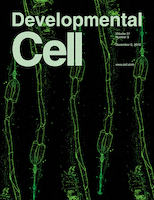
DEVELOPMENTAL CELL
Illuminating the Dynamic Landscape of Cell BiologyDEVELOPMENTAL CELL, published by CELL PRESS, stands as a premier journal in the fields of Biochemistry, Genetics and Molecular Biology, Cell Biology, and Developmental Biology. With a significant influence evidenced by its Q1 rankings across several categories in 2023 and a remarkable Scopus ranking placing it at the 98th percentile for Developmental Biology, this journal is pivotal for researchers and academics aiming to advance their understanding of cellular processes. Covering a broad range of topics from molecular mechanisms to cellular developmental pathways, DEVELOPMENTAL CELL publishes cutting-edge research articles that contribute to the dynamic landscape of cell biology and related disciplines. Although it does not currently offer open access, the journal is accessible through institutional subscriptions, reinforcing its commitment to disseminating high-quality scientific knowledge produced by leading experts in the field. Based in the United States, DEVELOPMENTAL CELL continues to push the boundaries of discovery and innovation in life sciences, making it an essential resource for professionals, researchers, and students alike in the quest for foundational biological insights.