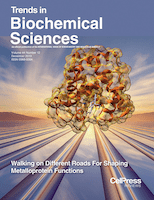
TRENDS IN BIOCHEMICAL SCIENCES
metrics 2024
Advancing Knowledge in Molecular Biology
Introduction
TRENDS IN BIOCHEMICAL SCIENCES is a premier academic journal published by CELL PRESS, focusing on the latest advancements and insights in the dynamic fields of biochemistry and molecular biology. With an ISSN of 0968-0004 and an E-ISSN of 1362-4326, this journal has established itself as a leading source of high-impact research, boasting an impressive Q1 category ranking in both Biochemistry and Molecular Biology as of 2023. The journal's Scopus Ranks further highlight its significance, placing it in the top 3% and 4% of its respective fields, emphasizing its role as a vital platform for disseminating innovative research. Published since 1976 and continuing through 2024, TRENDS IN BIOCHEMICAL SCIENCES provides a comprehensive overview of the latest trends, methods, and applications, helping researchers, professionals, and students stay at the forefront of their disciplines. Although it offers traditional access options, the journal's rich content and authoritative analysis make it a must-read for those pursuing cutting-edge biochemical research.
Metrics 2024
 4.0711.6012.50301
Metrics History
Rank 2024
Scopus
IF (Web Of Science)
JCI (Web Of Science)
Quartile History
Similar Journals
CRITICAL REVIEWS IN BIOCHEMISTRY AND MOLECULAR BIOLOGY
Charting New Pathways in Biochemical SciencesWelcome to Critical Reviews in Biochemistry and Molecular Biology, a premier academic journal published by Taylor & Francis Ltd, dedicated to advancing the fields of biochemistry and molecular biology. With an impressive impact factor and a Q1 ranking in both Biochemistry and Molecular Biology for 2023, this journal serves as a vital resource for researchers, professionals, and students eager to engage with cutting-edge reviews and analyses that synthesize the latest developments in these dynamic areas of study. Since its inception in 1972, the journal has maintained a commitment to high-quality scholarship, providing a platform for critical discussions that accelerate the discovery and understanding of biochemical processes and molecular interactions. Although not open access, its robust editorial peer-review process ensures that published articles meet the highest standards of scientific rigor, making it a trusted source for the scientific community. As we continue to converge toward 2024, we invite you to explore the extensive array of topics and findings that have shaped contemporary biochemistry and molecular biology.
BIOCHEMISTRY
Fostering collaboration in the world of biochemistry.BIOCHEMISTRY is a premier academic journal published by the American Chemical Society, dedicated to advancing the field of biochemistry through the dissemination of high-quality research. With an ISSN of 0006-2960 and an e-ISSN of 1520-4995, this esteemed publication has been a vital resource since its inception in 1962 and continues to contribute to the scientific community, boasting a remarkable Q1 ranking in the field as of 2023. The journal's well-curated content emphasizes fundamental biochemical research, molecular genetics, and innovations in biochemical techniques, catering to a diverse audience of researchers, professionals, and students. Although not an open-access publication, BIOCHEMISTRY plays a crucial role in facilitating knowledge exchange and fostering academic collaboration globally, making significant contributions to the understanding of the biochemical processes that underpin life.
BIOCHEMICAL JOURNAL
Elevating Biochemical Knowledge for a Global CommunityBIOCHEMICAL JOURNAL, published by Portland Press Ltd, stands as a leading publication in the fields of Biochemistry, Cell Biology, and Molecular Biology, reflecting a commitment to advancing scientific knowledge since its inception in 1945. With a distinguished Q1 ranking across these categories and impressive Scopus rankings, the journal serves as an invaluable resource for researchers, professionals, and students alike, facilitating critical discoveries and innovative research practices. Although not currently offering open access, the journal provides a platform for high-quality peer-reviewed articles, ensuring rigorous standards in the dissemination of biochemical research. Spanning over seven decades and continuing through to 2024, the BIOCHEMICAL JOURNAL fosters an environment where cutting-edge biochemical research thrives, supporting the global scientific community's efforts to address complex biological questions and enhance our understanding of fundamental cellular processes.
MOLECULAR AND BIOCHEMICAL PARASITOLOGY
Unraveling the Molecular Mysteries of Parasitology.MOLECULAR AND BIOCHEMICAL PARASITOLOGY is a renowned journal published by Elsevier, focusing on the crucial intersections of molecular biology and parasitology. Since its inception in 1980, this journal has aimed to advance our understanding of parasitic organisms at the biochemical and molecular levels, providing a dedicated platform for researchers studying host-parasite interactions, parasite genetics, and diagnostic methodologies. Although it currently holds a quartile status of Q4 in Molecular Biology and Q3 in Parasitology for the year 2023, it remains a vital resource within the academic community, boasting a variety of research articles, reviews, and case studies that explore innovative treatment strategies and the molecular biology of parasites. Researchers and students alike can benefit from the journal's contributions to the field, despite its traditional publishing model, as the content remains pivotal for ongoing studies and advancements in parasitology.
PROTEIN JOURNAL
Championing Open Access in Protein ResearchProtein Journal, published by Springer, stands as a significant academic resource in the fields of Analytical Chemistry, Biochemistry, Bioengineering, and Organic Chemistry. Since its inception in 1996, the journal has dedicated itself to the dissemination of high-quality research focused on protein chemistry and its biomedical applications. With an impressive impact reflected in its classification as a Q2 journal in Analytical Chemistry and Q3 in both Biochemistry and Bioengineering as of 2023, it provides an essential platform for researchers and practitioners to share their findings. The journal embraces the open-access model, enhancing accessibility to cutting-edge research. The Protein Journal is crucial for academicians, industry professionals, and students, catering to their need for rigorous scientific discourse and innovative discoveries in protein studies. With an established track record of converging over two decades of knowledge and research, it continues to influence and shape the advancements in this vital area of science.
BIOCHEMICAL SOCIETY TRANSACTIONS
Advancing Biochemical Knowledge for a Brighter FutureBIOCHEMICAL SOCIETY TRANSACTIONS is a premier journal published by Portland Press Ltd, renowned for its rigorous dissemination of cutting-edge research in the field of biochemistry. Established in 1973 and currently spanning until 2024, this journal has solidified its standing with an impressive Q1 category ranking in Biochemistry, reflecting its commitment to high-quality scholarship and innovation. It plays a crucial role in bridging current biochemical research with its practical applications, making it an invaluable resource for researchers, professionals, and students alike. The journal enjoys a commendable position in the Scopus Ranks, sitting at Rank #105 out of 438 journals in its category, placing it in the 76th percentile among similar publications. While the journal maintains a subscription-only access policy, it promises to provide readers with comprehensive insights and discoveries that drive advancements in biochemistry and related fields. This journal is not just a repository of information; it is a vibrant community dedicated to the progress of biochemistry, making it essential reading for anyone involved in this dynamic discipline.

Annual Review of Biochemistry
Pioneering Reviews for the Biochemical CommunityAnnual Review of Biochemistry is a premier publication in the field of biochemistry, renowned for its comprehensive and critical reviews that collate significant advancements and insights since its inception in 1946. Published by Annual Reviews in the United States, this journal maintains a prestigious position within the academic community, boasting a Q1 ranking in the biochemistry category for 2023, with an impressive Scopus rank of #4 out of 438, placing it in the top 1% of its field. With a commitment to excellence, it serves as an essential resource for researchers, professionals, and students striving to stay at the forefront of biochemical research. While the journal does not operate on an open-access model, it continues to provide key insights and knowledge that fuel innovation and discovery in the life sciences. As it converges research from various eras up to 2024, Annual Review of Biochemistry remains a vital contributor to the development of molecular biology and genetics, catering to the needs of a diverse readership keen on advancing their understanding and expertise in biochemistry.
BIOCHEMISTRY-MOSCOW
Connecting Research and Real-World ApplicationsBIOCHEMISTRY-MOSCOW is a distinguished academic journal published by MAIK NAUKA/INTERPERIODICA/SPRINGER, focusing on pivotal research in the fields of biochemistry, biophysics, geriatrics, and broader medical sciences. Established in 1972, the journal has a rich history of disseminating critical findings and innovative studies, making significant contributions to the advancement of biochemical knowledge and applications. With its Q2 ranking in various categories including biochemistry and gerontology, the journal commands respect within the scientific community, offering a reputable platform for both established researchers and emerging scholars alike. Although traditionally not an open-access journal, it provides a wealth of information accessible through institutional subscriptions, ensuring the latest advancements reach a global audience. The journal aims to enhance understanding of biochemical processes and their implications for human health, and its commitment to high-quality peer-reviewed content has established it as a vital resource for those invested in the life sciences.
GENERAL PHYSIOLOGY AND BIOPHYSICS
Bridging Biological Systems with Physical PrinciplesGENERAL PHYSIOLOGY AND BIOPHYSICS, published by AEPRESS SRO, is a pivotal journal in the fields of biophysics and physiology, dedicated to advancing knowledge and fostering research in these increasingly vital disciplines. Established in 1983 and set to converge in 2024, the journal provides a platform for scholarly articles that explore the intricate relationships between biological systems and physical principles. Its current category quartiles include Q3 in Biophysics and Q4 in Physiology, demonstrating a growing influence among researchers, with current Scopus ranks reflecting its commitment to quality and relevance. Despite not being an open-access publication, the journal remains a valuable resource for professionals and students aiming to stay informed on the latest discoveries and methodologies. By supporting interdisciplinary research and innovation, GENERAL PHYSIOLOGY AND BIOPHYSICS plays a crucial role in shaping the understanding of complex biological interactions and applications in medicine.

Cell Reports Methods
Fostering Collaboration Through Rigorous Experimental InsightsCell Reports Methods is a cutting-edge journal published by CELL PRESS, focusing on innovative methodologies in the vast fields of biochemistry, genetics, biotechnology, and radiological sciences. Launched in 2021, it has rapidly ascended to attain a Q1 ranking across multiple disciplines in the latest 2023 metrics, reflecting its influential contribution to the scientific community. With an emphasis on practical and rigorous experimental approaches, this journal serves as a vital resource for researchers looking to advance their methodologies and collaborate on significant findings in their respective specialties. Despite not being an open-access publication, Cell Reports Methods ensures broad accessibility through institutional subscriptions, allowing researchers from various backgrounds to engage with high-quality scholarly work. The journal presents a unique platform for sharing insights from interdisciplinary methods that foster innovation and discovery, ultimately shaping the future of scientific research.