
Turkish Journal of Neurology
Scope & Guideline
Connecting minds to unravel the complexities of the brain.
Introduction
Aims and Scopes
- Neurovascular Disorders:
The journal emphasizes research on neurovascular conditions including strokes, intracranial hemorrhages, and their management, highlighting risk factors, treatment outcomes, and preventative strategies. - Neurodegenerative Diseases:
There is a consistent focus on neurodegenerative disorders such as Alzheimer's disease, Parkinson's disease, and multiple sclerosis, exploring their pathophysiology, clinical manifestations, and therapeutic interventions. - Infectious and Post-infectious Neurology:
The journal covers the neurological implications of infections, including the effects of COVID-19 on the nervous system, emphasizing case studies and emerging syndromes. - Neuropsychology and Cognitive Function:
Research on cognitive impairments associated with neurological conditions is prevalent, examining relationships between neurological disorders and cognitive decline, including neuropsychological assessments. - Clinical Trials and Therapeutics:
There is a focus on clinical trials and studies investigating new therapies, treatment protocols, and the efficacy of existing medications in various neurological conditions. - Neuroimaging and Biomarkers:
The journal explores advancements in neuroimaging techniques and the identification of biomarkers associated with neurological diseases, contributing to diagnostic and prognostic evaluations.
Trending and Emerging
- Impact of COVID-19 on Neurology:
There is an increasing trend in research exploring the neurological consequences of COVID-19, including post-viral syndromes, neurological manifestations, and long-term outcomes. - Machine Learning and AI in Neurology:
Emerging studies are incorporating machine learning and artificial intelligence to analyze data, predict outcomes, and enhance diagnostic accuracy in various neurological conditions. - Neurorehabilitation and Exercise Therapy:
Research on neurorehabilitation approaches, particularly those involving structured exercise programs for conditions like Parkinson's disease and stroke recovery, is gaining traction. - Neuroinflammation and Autoimmunity:
An upward trend in studies investigating the role of neuroinflammation and autoimmune processes in neurological diseases reflects a growing interest in understanding pathophysiological mechanisms. - Personalized Medicine in Neurology:
There is a notable shift towards personalized treatment approaches based on genetic, environmental, and lifestyle factors in managing neurological disorders, highlighting the need for tailored therapeutic strategies.
Declining or Waning
- Traditional Neurological Assessments:
There has been a noticeable decline in studies focusing solely on traditional neurological examinations and assessments, as the field increasingly prioritizes advanced imaging and biomarker research. - Aging and Dementia Studies:
Although still relevant, the number of studies specifically targeting aging-related dementia has decreased, possibly due to a shift towards more innovative approaches in neurodegenerative disease research. - Epilepsy Case Studies:
The frequency of case studies on epilepsy, while still present, has waned as the journal increasingly publishes broader epidemiological studies and clinical trials related to epilepsy management. - Psychiatric Comorbidities in Neurological Disorders:
Research exploring the intersection of psychiatric conditions and neurological disorders has seen reduced focus, possibly overshadowed by more pressing clinical and therapeutic topics.
Similar Journals

NeuroImage-Clinical
Exploring the Frontiers of Neuroimaging and Patient CareNeuroImage-Clinical is a premier open access journal published by Elsevier Science Ltd, dedicated to advancing the field of clinical neuroimaging and its applications in a variety of neurological disorders. With an ISSN of 2213-1582, this journal has established itself as a leading source of innovative research since its inception in 2012, now continuing through 2024. Recognized for its high impact, it occupies the top quartile (Q1) in prestigious categories such as Cognitive Neuroscience, Neurology, and Radiology, affirming its relevance in clinical and research settings. Its Scopus rankings further exemplify its significant contribution to the disciplines of Radiology and Neurology, consistently placing it among the top tiers of journals in these fields. This journal not only provides critical insights for researchers and professionals but also serves as a valuable resource for students, fostering an understanding of the complexities in neuroimaging techniques and their implications for patient care. With open access options ensuring broad dissemination of knowledge, NeuroImage-Clinical plays a pivotal role in enhancing collaboration and innovation within the global neuroscience community.

Neurology International
Pioneering Insights in Clinical NeurologyNeurology International is a prestigious open-access journal published by MDPI that has been making significant contributions to the field of neurology since its establishment in 2009. With its ISSN 2035-8377, this journal is committed to disseminating high-quality, peer-reviewed research that addresses a wide range of clinical topics in neurology. Operating out of Basel, Switzerland, the journal holds a respectable Q2 ranking in the clinical neurology category as of 2023, indicating its influence and dedication to advancing scientific knowledge. Researchers and practitioners alike will find value in its comprehensive articles, which are readily accessible to a global audience, facilitating the sharing of innovative findings and clinical practices. As it converges towards 2024, Neurology International continues to provide a vital platform for scholarly discourse, aiming to improve patient outcomes and enhance our understanding of neurological disorders.
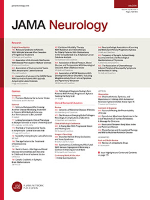
JAMA Neurology
Empowering Clinicians with Cutting-Edge Neurological KnowledgeJAMA Neurology is a leading peer-reviewed journal published by the American Medical Association, focused on advancing the understanding and treatment of neurological disorders. With an impressive impact factor and ranked in the 99th percentile among clinical neurology journals, this publication is recognized as Q1 in its category for 2023, highlighting its significance in the field. Since its inception, the journal has provided a platform for high-quality research, clinical trials, and reviews that inform both clinicians and researchers. Operating from its headquarters in Chicago, Illinois, JAMA Neurology offers rich insights into the latest advancements in neurology, featuring articles that span a wide range of topics including neurodegenerative diseases, stroke, epilepsy, and neurocritical care. Researchers and professionals are encouraged to access the journal’s content freely, as it employs open access options to promote the dissemination of critical knowledge. As a critical resource in the field of neurology, JAMA Neurology is essential for anyone involved in this dynamic and rapidly evolving specialty.
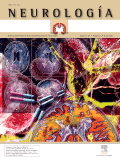
NEUROLOGIA
Transforming Neurological Care with Cutting-Edge ResearchNEUROLOGIA, an esteemed journal published by ELSEVIER ESPANA SLU, stands at the forefront of the field of neurology, with a dedicated focus on innovative research and clinical practice since its inception in 1973. As an Open Access journal since 2017, it champions the dissemination of knowledge, allowing researchers, professionals, and students alike to access cutting-edge findings in neurology without barriers. With an impressive Scopus rank of #115 in the clinical neurology category, placing it in the 71st percentile, NEUROLOGIA is categorized as Q3 in both general medicine and clinical neurology, reflecting its impact and relevance in a rapidly evolving field. Based in Barcelona, Spain, the journal's commitment to advancing understanding of neurological conditions is underscored by its rigorous peer-review process and engagement with a global audience. As it continues to publish vital research that shapes clinical practices and informs policy, NEUROLOGIA remains an integral resource for those striving to improve outcomes in neurology.
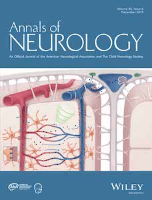
ANNALS OF NEUROLOGY
Advancing the Frontiers of Neurological KnowledgeANNALS OF NEUROLOGY, published by Wiley, stands as a leading journal in the field of neurology, renowned for its rigorous peer-reviewed articles that contribute significantly to the understanding of neurological disorders and advances in clinical practices. With an impressive impact factor and ranked Q1 in both neurology and clinical neurology categories, this journal positions itself among the top repositories of cutting-edge research, indexed in Scopus with exemplary ranks in the 98th and 97th percentiles respectively. Since its inception in 1977 and with a commitment to excellence extending to 2024 and beyond, ANNALS OF NEUROLOGY aims to disseminate groundbreaking studies and foster dialogue within the academic community, making it an essential resource for researchers, healthcare professionals, and students dedicated to neurology. Although it does not currently offer open access, its accessibility through institutional subscriptions facilitates widespread scholarly engagement.
NEUROLOGICAL SCIENCES
Innovative research shaping the future of neurological sciences.NEUROLOGICAL SCIENCES, published by SPRINGER-VERLAG ITALIA SRL, is a premier journal that has been a cornerstone in the field of neurology and related disciplines since its inception in 1996. With an impressive Q1 ranking in Dermatology and Q2 rankings in Neuroloy (clinical) as well as Psychiatry and Mental Health, this journal consistently delivers high-quality peer-reviewed research that informs and shapes clinical practice. The journal boasts a significant presence on Scopus, positioned in the 89th percentile for Dermatology, 73rd for Psychiatry and Mental Health, and 72nd for Neurology (clinical), reflecting its influential contributions to medical knowledge. Open Access options are available, ensuring that this valuable research is accessible to a wider audience committed to advancing their understanding of neurological sciences. As it converges into future years (2024 and beyond), NEUROLOGICAL SCIENCES aims to continue foster collaboration and innovation amongst researchers, professionals, and students within the neurology and mental health domains, making it an indispensable resource for those dedicated to improving patient outcomes and advancing scholarly dialogue.
NEUROLOGY
Elevating standards in clinical neurology.NEUROLOGY, published by Lippincott Williams & Wilkins, stands as a premier journal in the field of neurology, holding an esteemed Q1 category ranking in clinical neurology as of 2023. Established in 1951, this journal has been a critical resource for the dissemination of cutting-edge research and clinical advancements, with an impressive Scopus rank of 24 out of 400, placing it in the 94th percentile among its peers. NEUROLOGY serves as a vital platform for neurologists, researchers, and medical professionals seeking to stay abreast of the latest findings and innovations in the treatment and understanding of neurological disorders. With its rigorous peer-review process and commitment to excellence, NEUROLOGY remains essential reading for all individuals dedicated to advancing the science and practice of neurology, contributing significantly to the ongoing dialogue in this vital area of medicine.
EUROPEAN JOURNAL OF NEUROLOGY
Leading the Charge in Neurological Excellence.EUROPEAN JOURNAL OF NEUROLOGY, published by WILEY, stands as a leading platform for the dissemination of innovative research and clinical developments in the field of neurology. With a robust impact factor and prestigious rankings, including being positioned as Q1 in both Neurology and Clinical Neurology categories, the journal plays a pivotal role in shaping neurological sciences from 1994 to 2024. Its Scopus rank highlights its importance, being in the 88th percentile for clinical neurology and 87th percentile for neuroscience. Located in the United Kingdom, the journal thrives as a vital resource for researchers, clinicians, and students dedicated to improving neurological health outcomes. Although it does not offer Open Access, its subscription-based model ensures high-quality peer-reviewed articles are accessible to a global audience, reflecting the continuous pursuit of excellence in neurological research and patient care.
Neurologia i Neurochirurgia Polska
Leading the Charge in Neurological ResearchNeurologia i Neurochirurgia Polska is a prestigious Polish journal dedicated to advancements in the fields of neurology and neurosurgery, published by VIA MEDICA. With a rich history dating back to 1967, this journal serves as a critical platform for disseminating significant research findings and clinical practices that advance our understanding of neurological disorders and surgical interventions. Registered under ISSN 0028-3843 and E-ISSN 1897-4260, it boasts commendable rankings as reflected in its 2023 categorical quartiles: Q3 in Neurology (Clinical) and Q2 in Surgery, indicating its substantial impact within these domains. Furthermore, its Scopus rankings reveal that it is positioned at Rank #125/551 within Medicine-Surgery and Rank #187/400 in Medicine-Neurology (Clinical), showcasing its importance in academic and clinical circles. Although not currently open access, the journal remains accessible to readers and practitioners who seek to stay updated on innovative research and methodologies. The journal’s objective is to foster knowledge exchange and stimulate scientific dialogue among researchers, professionals, and students, thus shaping the future of neurology and neurosurgery in Poland and beyond. Located at UL SWIETOKRZYSKA 73, 80-180 GDANSK, POLAND, it invites contributions that inspire and elevate the standards of medical practice.
REVISTA DE NEUROLOGIA
Exploring the Frontiers of Neurology and MedicineREVISTA DE NEUROLOGIA is a distinguished academic journal focusing on the broad fields of neurology and medicine, published in Spain since its inception in 1959. The journal plays a vital role in disseminating significant research findings, clinical studies, and advancements in neurological science, catering to an audience of researchers, clinicians, and students alike. With an ISSN of 0210-0010 and an E-ISSN of 1576-6578, this quarterly publication has maintained its commitment to enhancing the understanding of neurological disorders and therapies through rigorous peer-reviewed articles. While currently not classified as open access, it is indexed in Scopus, holding a rank of #253 out of 400 in the category of Medicine (Neurology), reflecting its relevance in the field with a 36th percentile. The journal is positioned within the Q3 quartile for both Medicine (miscellaneous) and Clinical Neurology categories as of 2023. Based in Barcelona, Spain, it is a vital resource for anyone devoted to the advancement of knowledge and practice in neurology.