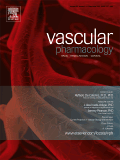
VASCULAR PHARMACOLOGY
Scope & Guideline
Advancing vascular health through innovative pharmacology.
Introduction
Aims and Scopes
- Pharmacological Interventions in Cardiovascular Diseases:
The journal emphasizes the exploration of pharmacological agents and their impacts on cardiovascular diseases, including antiplatelet therapies, anticoagulants, statins, and novel drugs like PCSK9 inhibitors and SGLT2 inhibitors. - Mechanisms of Vascular Disease:
Research published in the journal delves into the cellular and molecular mechanisms underpinning vascular diseases, exploring inflammation, oxidative stress, and metabolic dysfunction as key contributors. - Clinical Trials and Systematic Reviews:
The journal regularly features systematic reviews and clinical trial results, providing evidence-based insights into the efficacy and safety of new treatment strategies and interventions for cardiovascular conditions. - Emerging Biomarkers and Risk Factors:
A focus on identifying novel biomarkers and cardiovascular risk factors is prevalent, aiding in the early detection and management of vascular diseases. - Interdisciplinary Approaches to Cardiovascular Health:
Vascular Pharmacology encourages interdisciplinary research that integrates insights from cardiology, pharmacology, endocrinology, and nutrition to address complex cardiovascular health issues.
Trending and Emerging
- Impact of Gut Microbiota on Cardiovascular Health:
There is a growing interest in understanding how gut microbiota influences cardiovascular health, with studies exploring dietary modifications and postbiotics as therapeutic strategies. - Personalized Medicine in Cardiovascular Care:
A trend towards personalized medicine is evident, with increasing research on pharmacogenomics and tailored treatment strategies for individual patients based on genetic and metabolic profiles. - Role of Inflammation in Cardiovascular Disease:
Inflammation continues to be a focal point in recent studies, with novel insights into how inflammatory pathways contribute to vascular pathology and how targeting these pathways can improve therapeutic outcomes. - Longitudinal Studies on Cardiovascular Risk Factors:
Emerging research emphasizes the importance of longitudinal studies to assess the burden of cardiovascular risk factors over time, particularly in specific populations such as those with diabetes or chronic kidney disease. - Innovative Techniques in Vascular Imaging:
There is an increasing emphasis on the development and application of advanced imaging techniques to better understand vascular diseases and improve diagnostic accuracy.
Declining or Waning
- Historical Perspectives on Cardiovascular Therapies:
There has been a noticeable decrease in articles focused on historical perspectives or reviews of past cardiovascular therapies, suggesting a shift towards more contemporary approaches and innovative treatments. - Standalone Dietary Interventions:
Research centered exclusively on dietary interventions without pharmacological context has become less common, indicating a trend towards integrated approaches that combine pharmacotherapy with lifestyle modifications. - Basic Science without Clinical Application:
The journal has seen a decline in purely basic science studies that do not translate into clinical application, reflecting a preference for research that directly informs clinical practice and patient care.
Similar Journals
Current Atherosclerosis Reports
Elevating the standard of cardiovascular scholarship.Current Atherosclerosis Reports, published by CURRENT MEDICINE GROUP, is a leading scientific journal in the field of Cardiology and Cardiovascular Medicine, boasting an impressive Q1 ranking in its category as of 2023. This esteemed journal, with an ISSN of 1523-3804 and an E-ISSN of 1534-6242, has been a cornerstone of cardiovascular research since its inception in 1999, continuing to publish cutting-edge studies through 2024. With unparalleled insights into the mechanisms, prevention, and treatment of atherosclerosis, it serves as an essential resource for researchers, healthcare professionals, and students alike. Although not an open-access journal, it is highly regarded within the academic community, highlighted by its Scopus rank of #54 out of 387 in its field, placing it in the 86th percentile. The journal's commitment to advancing knowledge in cardiovascular health underscores its integral role in guiding clinical practices and influencing future research directions.

Acta Angiologica
Advancing Vascular Health Through Open Access ResearchActa Angiologica, published by VIA MEDICA, is an Open Access journal dedicated to the dynamic field of cardiology and cardiovascular medicine. Since its inception in 1995, this esteemed journal has provided a vital platform for the dissemination of cutting-edge research and innovative medical practices, especially pertinent to vascular health. Being indexed in Scopus, it holds a rank of #352 out of 387 in its category for 2023, positioning it in the 9th percentile among contemporaneous journals. The journal's commitment to scholarly excellence and accessibility is underscored by its embrace of open access publishing, allowing researchers, professionals, and students to engage with vital advancements in the field without financial barriers. With a converged timeline from 2005 to 2024, Acta Angiologica continues to play a crucial role in bridging gaps in cardiovascular knowledge, fostering collaboration across disciplines, and advancing the implementation of preventative and therapeutic strategies in vascular medicine. Located in Gdansk, Poland, the journal is poised to make significant contributions to the cardiovascular research landscape.
HEART AND VESSELS
Bridging Research and Clinical Practice in Cardiovascular CareHEART AND VESSELS is a prominent peer-reviewed journal published by SPRINGER, dedicated to advancing the fields of cardiology and cardiovascular medicine. With its ISSN 0910-8327 and E-ISSN 1615-2573, this esteemed journal encompasses a broad range of topics pertinent to heart health, vascular function, and associated therapies, making it an essential resource for researchers, clinicians, and healthcare professionals alike. Based in Japan and operating since 1985, HEART AND VESSELS has consistently maintained a Q2 ranking in the 2023 category quartiles, highlighting its relevance and impact in the cardio domain. Although it does not offer open access, the journal ensures high-quality publications that contribute significantly to the academic and clinical understanding of cardiovascular health. With over three decades of continuous scholarly contribution, HEART AND VESSELS serves as a vital platform for disseminating cutting-edge research and fostering innovative practices in the management of cardiovascular diseases.
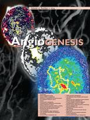
ANGIOGENESIS
Elevating the Standards of Angiogenesis ScholarshipANGIOGENESIS is a prestigious academic journal published by Springer, focusing on the vital field of angiogenesis research, a cornerstone in understanding tumor biology and tissue regeneration. Established in 1997 and continuously evolving, this journal has solidified its reputation, ranking in the Q1 category for Cancer Research, Clinical Biochemistry, and Physiology as of 2023. With an impressive impact factor, it serves as an essential platform for disseminating cutting-edge research findings, critical reviews, and novel methodologies. ANGIOGENESIS is indexed in high-impact databases and exhibits exceptional Scopus ranks—1st in Clinical Biochemistry, 6th in Physiology, and 14th in Cancer Research, underscoring its significant contribution to the scientific community. Although it does not currently offer open access options, it ensures that all articles maintain rigorous peer-review standards to meet the highest academic excellence. Researchers, professionals, and students alike will find ANGIOGENESIS to be an invaluable resource in advancing their knowledge and research in the intricate mechanisms of vascular biology.
JOURNAL OF VASCULAR RESEARCH
Elevating the discourse in vascular research.Welcome to the JOURNAL OF VASCULAR RESEARCH, a reputable academic journal published by KARGER that has been a cornerstone of vascular research since 1964. With an ISSN of 1018-1172 and an E-ISSN of 1423-0135, this journal plays a vital role in disseminating cutting-edge research in the fields of Cardiology and Cardiovascular Medicine and Physiology. Currently categorized in the Q3 quartile for both disciplines, it ranks as #179 in Cardiology and #131 in Physiology according to Scopus, showcasing its significant contribution to the scientific community. Although the journal operates on a subscription basis, it strives to provide accessible content that informs and inspires researchers, professionals, and students alike. As the journal looks forward to its convergence in 2024, it continues to uphold its mission of advancing knowledge, fostering innovation, and encouraging collaboration within the dynamic realm of vascular research.
Journal of Atherosclerosis and Thrombosis
Exploring breakthroughs in atherosclerosis and thrombosis research.Journal of Atherosclerosis and Thrombosis is a leading academic publication dedicated to advancing research in the fields of cardiovascular medicine, biochemistry, and internal medicine. Published by the Japan Atherosclerosis Society, this esteemed journal operates from its headquarters in Tokyo, Japan, and has been a vital resource in its area since its inception in 1994. With its robust impact in Cardiology and Cardiovascular Medicine, ranking in the top quartile (Q1) as of 2023, and a commendable standing in Internal Medicine and Biochemistry, the journal fosters an environment of innovation and discovery, showcasing significant studies and advancements that shape clinical practices and therapeutic approaches. Though not an open-access publication, it offers a wealth of insights to researchers, professionals, and students seeking to deepen their understanding of atherosclerosis and thrombosis. By continually featuring high-quality articles, the Journal of Atherosclerosis and Thrombosis plays an essential role in bridging the gap between research and practice, facilitating critical conversations that influence the future of cardiovascular health.
Clinica e Investigacion en Arteriosclerosis
Elevating the standards of cardiovascular medicine through rigorous investigation.Clinica e Investigacion en Arteriosclerosis is a premier academic journal dedicated to the field of cardiology and cardiovascular medicine, published by ELSEVIER. With its ISSN 0214-9168 and E-ISSN 1578-1879, the journal aims to disseminate high-quality research and innovations in the understanding and treatment of arterial diseases, contributing significantly to both clinical practices and pharmacological advancements. Established in 2007 and continuing into 2024, the journal has garnered recognition with a notable Q3 categorization in both Cardiology and Cardiovascular Medicine and Pharmacology (medical) for 2023, reflecting its impact in the academic community. Researchers and healthcare professionals utilizing this journal will find a diverse range of articles exploring novel therapeutic strategies and epidemiological data, making it an essential resource for advancing knowledge and practice in cardiovascular health. While it does not operate as an open-access journal, the findings published in Clinica e Investigacion en Arteriosclerosis are pivotal for understanding current trends and future directions in cardiovascular research.

Vascular Health and Risk Management
Empowering research to transform vascular health practices.Vascular Health and Risk Management is a leading peer-reviewed journal published by DOVE MEDICAL PRESS LTD, focusing on the critical areas of cardiology, endocrinology, and public health. With an impact factor that reflects its significance within the scientific community, this Open Access journal, established in 2005, has been committed to enhancing knowledge on the interplay between vascular health and various risk factors affecting patient outcomes. The journal is proudly based in New Zealand and is indexed across multiple categories, maintaining a prominent Q2 ranking in cardiology, endocrinology, diabetes, and several other medical disciplines as of 2023. By providing a platform for innovative research and comprehensive reviews, Vascular Health and Risk Management seeks to foster collaboration among healthcare professionals, enhance clinical practices, and ultimately improve patient care through rigorous scientific inquiry and disseminated knowledge. Researchers, professionals, and students will find invaluable insights that inform their work and advance the understanding of vascular-related health issues.
CIRCULATION
Elevating Cardiology: Where Innovation Meets Excellence.CIRCULATION is a premier journal in the field of cardiology and cardiovascular medicine, published by Lippincott Williams & Wilkins. With a distinguished history dating back to 1950, the journal has consistently been at the forefront of critical research, showcasing significant advancements and discoveries in cardiovascular health. It holds a remarkable Q1 ranking in both the fields of Cardiology and Physiology (medical) according to the 2023 category quartiles, demonstrating its influential role among the top publications in these disciplines. With an impressive Scopus ranking, placed 3rd out of 387 in Cardiology and 2nd out of 113 in Physiology, CIRCULATION is essential reading for researchers, practitioners, and students passionate about advancing their understanding of heart health and related medical sciences. Although the journal is not open access, it continues to foster scholarly exchange and innovation in cardiovascular research, making it an indispensable resource for quality insights and groundbreaking studies.

Cerebral Circulation-Cognition and Behavior
Transforming Understanding of Cerebral Dynamics and BehaviorCerebral Circulation-Cognition and Behavior is an impactful journal published by Elsevier that focuses on the intersections of cerebral circulation, cognitive function, and behavioral science. Since its establishment in 2020, the journal has provided a vital platform for researchers and professionals in the fields of Behavioral Neuroscience, Biological Psychiatry, and Cognitive Neuroscience. With a current classification in the Q3 quartile across several neuroscience categories and a promising trajectory during its converged years (2020-2024), the journal highlights significant advancements in our understanding of the neural underpinnings of behavior. Although it is not open access, its commitment to quality research makes it an essential resource for anyone engaged in neurological, cognitive, and psychiatric studies. As discoveries in these fields continue to grow, Cerebral Circulation-Cognition and Behavior remains dedicated to disseminating influential findings that bridge the gap between cognition, behavior, and neural health.