
Vestnik Sankt-Peterburgskogo Universiteta-Yazyk i Literatura
metrics 2024
Cultivating Knowledge at the Confluence of Language and Literature
Introduction
Vestnik Sankt-Peterburgskogo Universiteta-Yazyk i Literatura, published by ST PETERSBURG UNIV PRESS, stands as a pivotal academic journal in the fields of linguistics and literature, reflecting a profound commitment to the exploration of language and literary theory. With an ISSN of 2541-9358, this journal has steadily built its reputation since its inception in 2017, achieving impressive rankings in Scopus that place it within the top tiers of its categories—Q2 in Linguistics and Language and Q1 in Literature and Literary Theory as of 2023. The journal serves as an essential platform for researchers, professionals, and students who are keen to delve into the complex interactions between language and literature. Although currently not offering Open Access, its contributions are invaluable to advancing scholarly dialogue and fostering understanding within these vibrant fields. With a converged publication timeline extending through 2024, Vestnik Sankt-Peterburgskogo Universiteta-Yazyk i Literatura exemplifies the ongoing commitment to high-quality research and critical thought, making it an indispensable resource for those dedicated to the study of language and its literary manifestations.
Metrics 2024
 0.300.100.105
Metrics History
Rank 2024
Scopus
JCI (Web Of Science)
Quartile History
Similar Journals

Studi Slavistici
Advancing Interdisciplinary Dialogue in Slavic StudiesStudi Slavistici is an esteemed academic journal published by FIRENZE UNIV PRESS, focusing on the rich and diverse fields of Cultural Studies, Linguistics and Language, and Literature and Literary Theory. Since its initiation in 2004, it operates under an Open Access model, providing unrestricted access to its contents and fostering a wider dissemination of research. Based in Italy, this journal serves as a vital platform for scholars and researchers engaged in Slavic studies and beyond, encouraging interdisciplinary dialogue and innovative approaches. With its current Quartile rankings in the Q4 category across various domains, it plays a significant role in shaping dialogues within the academic community while offering insights into contemporary and historical perspectives. By maintaining an inclusive vision and engaging with critical issues, Studi Slavistici remains dedicated to advancing knowledge and scholarship in these intricate fields.

BULLETIN HISPANIQUE
Illuminating the Pathways of Hispanic ScholarshipBULLETIN HISPANIQUE, published by PRESSES UNIV BORDEAUX, is a prominent academic journal dedicated to the interdisciplinary exploration of literature, linguistic studies, and historical analysis related to the Spanish-speaking world. Since its inception in 1972, the journal has established itself as a vital resource for researchers and scholars, achieving notable recognition across various categories—most recently characterized as Q2 in History, Q3 in Linguistics and Language, and Q1 in Literature and Literary Theory for the year 2023. Though it operates under traditional access models, BULLETIN HISPANIQUE maintains a commitment to scholarly excellence, offering insightful articles that contribute to the rich tapestry of cultural and linguistic discourse. With its Scopus rankings reflecting significant academic engagement, the journal serves as an essential platform for dialogue and discovery in the arts and humanities, appealing to a diverse audience of students, professionals, and academics committed to advancing knowledge in these vital fields.
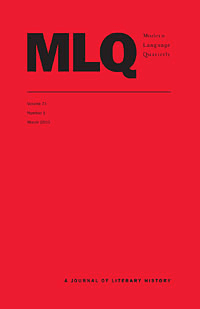
MODERN LANGUAGE QUARTERLY
Elevating Critical Discourse in Modern Literature.MODERN LANGUAGE QUARTERLY, published by DUKE UNIVERSITY PRESS, stands as a premier journal in the field of Literature and Literary Theory, recognized for its intellectual rigor and scholarly contributions. With an impressive Scopus ranking of #156 out of 1106 in its category, the journal showcases an 85th percentile standing, indicating its significant impact within the academic community. The journal, with ISSN 0026-7929, focuses on critical analysis, literary theory, and the intersection of language and culture, making it an essential resource for researchers, professionals, and graduate students alike. As it converges from 1996 to 2024, MODERN LANGUAGE QUARTERLY continues to uphold its tradition of excellence in literary scholarship, contributing to the advancement of knowledge and fostering a deeper understanding of literature's role in society. With its Q1 ranking in 2023, this journal represents the forefront of literary studies, providing a vibrant forum for the exchange of ideas and innovative research in the humanities.
REVIEW OF ENGLISH STUDIES
Advancing the Boundaries of English StudiesREVIEW OF ENGLISH STUDIES, published by Oxford University Press, is a prestigious journal that has been advancing the fields of Literature and Literary Theory as well as Linguistics and Language since its inception in 1925. With an impressive impact factor and a commendable ranking, placing it in the Q1 and Q2 categories across relevant disciplines, the journal serves as a vital platform for researchers, scholars, and students alike. Covering a wide range of topics from classical literature to contemporary linguistic analysis, REVIEW OF ENGLISH STUDIES is committed to fostering scholarly discourse and promoting innovative research methodologies. Although it does not offer open access, the journal is highly regarded for its rigorous peer-review process and high-quality publications, making it an essential resource for anyone engaged in English studies. For researchers seeking to keep abreast of the latest developments in the field, this journal stands as an indispensable guide and repository of knowledge.
European Journal of Scandinavian Studies
Advancing the frontiers of Scandinavian scholarship.European Journal of Scandinavian Studies is an esteemed journal published by Walter de Gruyter GmbH, dedicated to advancing scholarship in the fields of Cultural Studies, Linguistics and Language, and Literature and Literary Theory. Since its inception in 2010, the journal has been a pivotal platform for researchers and scholars, showcasing cutting-edge research and critical discussions pertaining to Scandinavian languages and cultures. With an ISSN of 2191-9399 and an E-ISSN of 2191-9402, the journal emphasizes accessibility to impactful academic work, despite its current non-open access model. While the journal is categorized within the Q4 quartile for Cultural Studies and Linguistics/Language, it has shown notable potential in ranking higher in its specialized domains, fostering a growing community of researchers invested in Scandinavian studies. The journal's office is located in Berlin, Germany, further enriching its European scholarly context. As it continues to evolve, the European Journal of Scandinavian Studies serves as a vital resource for academics seeking to engage deeply with the multifaceted aspects of Scandinavian culture and linguistics.

Listy Filologicke
Cultivating a Nexus for Innovative Academic Exploration.Listy Filologicke is a distinguished academic journal published by the Institute of Classical Studies at the Academy of Sciences of the Czech Republic, focusing on the interdisciplinary fields of History, Linguistics and Language, and Literature and Literary Theory. With an ISSN of 0024-4457 and an E-ISSN of 2570-9410, this journal has been a pivotal platform for scholarly discourse since its convergence years began in 2003. Notably, it holds a Q3 classification in History and Linguistics and Language, and a Q2 in Literature and Literary Theory as of 2023. Its rankings within Scopus illustrate its relevance and impact in academia, with noteworthy positions in the Arts and Humanities and Social Sciences categories. Researchers, professionals, and students will find Listy Filologicke an invaluable resource for exploring cutting-edge research, critical analyses, and discourse that contribute significantly to their respective fields. Based in the heart of the Czech Republic, it continues to promote scholarly excellence and foster international collaboration.
REVISTA DE FILOLOGIA ESPANOLA
Fostering Academic Dialogue in Spanish PhilologyREVISTA DE FILOLOGIA ESPANOLA is a distinguished academic journal dedicated to the fields of linguistics and literature, published by the CONSEJO SUPERIOR INVESTIGACIONES CIENTIFICAS (CSIC) since 1954, and has been an Open Access journal since its inception. Situated in Madrid, Spain, this journal has emerged as a crucial platform for the dissemination of scholarly research, with notable rankings including Q2 in Linguistics and Language and Q1 in Literature and Literary Theory as of 2023. The journal's commitment to fostering academic dialogue is reflected in its impressive Scopus rankings, including a 79th percentile in the Arts and Humanities for Literature and Literary Theory. Covering a wide range of topics from linguistic theory to literary critique, REVISTA DE FILOLOGIA ESPANOLA is essential reading for researchers, professionals, and students alike, providing valuable insights and cutting-edge research in the ever-evolving landscape of Spanish philology.
ROMANISCHE FORSCHUNGEN
Fostering Scholarly Dialogue in Literary StudiesROMANISCHE FORSCHUNGEN, published by VITTORIO KLOSTERMANN GMBH, stands as a key scholarly journal in the fields of linguistics and literary studies, focusing particularly on Romance languages and literature. With an ISSN of 0035-8126 and an E-ISSN of 1864-0737, this journal is vital for researchers and scholars seeking to explore and advance their understanding of the nuances within Romance language studies. Operating from its base in Frankfurt am Main, Germany, ROMANISCHE FORSCHUNGEN features a robust publication history from 2002 to 2024. While currently categorized in Q4 within both Linguistics and Language and Literature and Literary Theory for 2023, the journal aims to cultivate a scholarly dialogue that bridges these disciplines, fostering an environment for innovative and critical inquiry. Although not an open-access journal, it serves as a crucial resource for professionals and students dedicated to Romance philology and comparative literature.
Symbolae Osloenses
Bridging Past and Present in Classical StudiesSymbolae Osloenses, published by TAYLOR & FRANCIS LTD, is a distinguished journal in the field of Classics, with a rich history dating back to its inception in 1922. This UK-based journal has continuously contributed to the scholarly discourse surrounding ancient cultures, languages, and literature, making it a crucial resource for researchers, educators, and students alike. Though it operates under a subscription model, its impact on the academic community is underscored by its recent inclusion in the 2023 Scopus rankings, where it holds a respectable position in the 65th percentile among its peers. With decades of published research spanning from 1924 to 2023, Symbolae Osloenses remains committed to fostering robust academic dialogue and advancing knowledge in the Classics, catering to a diverse readership seeking to explore the nuances of classical studies.

Alicante Journal of English Studies-Revista Alicantina de Estudios Ingleses
Shaping the Future of English Studies TogetherAlicante Journal of English Studies - Revista Alicantina de Estudios Ingleses, published by the esteemed University of Alicante since 2003, is a vital platform for researchers and scholars in the fields of Cultural Studies, Linguistics and Language, and Literature and Literary Theory. With an impressive impact factor reflected by its Q1 and Q2 rankings across various categories in 2023, the journal consistently delivers high-quality peer-reviewed articles that push the boundaries of knowledge and discourse in English studies. Operating under an Open Access model, it ensures that research is freely accessible to a global audience, thereby fostering collaboration and advancement within the academic community. The journal's commitment to excellence is further underscored by its Scopus rankings, which place it in the top percentiles of literature and cultural studies. Its scope for the converged years from 2019 to 2024 promises continued relevance and innovation, making it an essential resource for professionals, researchers, and students alike who seek to deepen their understanding of English studies.