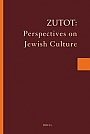
Zutot
metrics 2024
Advancing Interdisciplinary Dialogue in Humanities
Introduction
Zutot is a distinguished academic journal published by BRILL, focusing on the multifaceted realms of Arts and Humanities, Cultural Studies, and Religious Studies. With ISSN 1571-7283 and E-ISSN 1875-0214, Zutot presents an invaluable platform for scholars seeking to explore innovative ideas and interdisciplinary approaches within these fields. Recognized within the Q4 category for its contributions to contemporary discourse, the journal ranks at the 44th percentile in Religious Studies and the 39th percentile in General Arts and Humanities, underscoring its relevance and the quality of research it publishes. Since its inception, Zutot has continued to facilitate critical dialogue and scholarship, thus acting as a crucial resource for researchers, professionals, and students alike. Its converged publication years from 2001 to 2004 and 2008 to 2024 further demonstrate its ongoing commitment to supporting rigorous academic inquiry.
Metrics 2024
 0.10-0.106
Metrics History
Rank 2024
Scopus
JCI (Web Of Science)
Quartile History
Similar Journals
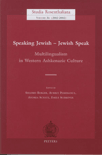
STUDIA ROSENTHALIANA
Exploring the Depths of Jewish HeritageSTUDIA ROSENTHALIANA is a distinguished journal published by Amsterdam University Press, specializing in the interdisciplinary study of Jewish culture and history, particularly as it relates to the field of Rosenthaliana, encompassing literature, art, and historical scholarship. With a robust academic legacy dating back to its inception in 1970, the journal has evolved through various publication phases, maintaining a commitment to fostering scholarly discourse and disseminating significant research. Although it does not currently participate in an open access model, STUDIA ROSENTHALIANA continues to contribute invaluable insights to the fields of Jewish studies, cultural analysis, and historical research. Researchers, professionals, and students can benefit from its comprehensive essays, critical reviews, and analytical studies that enrich our understanding of Jewish heritage and modern implications. The journal's influence and relevance in its field make it an essential resource for anyone invested in contemporary debates and analyses concerning Jewish culture and identity.

AMERICAN JEWISH HISTORY
Illuminating the Past, Enriching the PresentAMERICAN JEWISH HISTORY is a premier academic journal published by Johns Hopkins University Press, dedicated to the exploration and analysis of the Jewish experience in the American context. With ISSN 0164-0178 and E-ISSN 1086-3141, this journal serves as a vital resource for scholars and students in the fields of cultural studies, history, and religious studies, as evidenced by its placement in the Q3 quartile across these disciplines in 2023. Reaching a broad audience interested in the historical, social, and cultural dimensions of the American Jewish narrative, the journal has converged in various years, ensuring a robust collection of multidisciplinary research and discussions. Although it operates under a traditional subscription model, the journal remains an essential platform for critical analysis, fostering deeper understanding of Jewish identity and history. With Scopus rankings placing it at the 60th percentile in History and 62nd percentile in Religious Studies, AMERICAN JEWISH HISTORY stands as a respected publication that significantly contributes to the discourse surrounding Jewish history and culture in the United States.

Kwartalnik Historii Zydow-Jewish History Quarterly
Fostering Understanding of Jewish Cultural LegaciesKwartalnik Historii Żydów - Jewish History Quarterly is a dedicated academic journal published by the esteemed Jewish Historical Institute in Warsaw, Poland. With an ISSN of 1899-3044, this quarterly publication serves as a vital platform for scholarly discourse on Jewish history, culture, and heritage. The journal aims to reflect the diversity and complexity of Jewish experiences across historical contexts, making it an essential resource for researchers, professionals, and students in the fields of History, Religious Studies, and Cultural Studies. Despite its recent coverage discontinuation in Scopus from 2012 to 2015, the journal's rankings within its respective categories indicate a modestly engaged readership and potential for contribution, particularly seen in its ranks of 339/388 in Religious Studies and 859/975 in History. Although the journal operates on a non-open access basis, its curated articles enrich the understanding of Jewish narratives and interactions within broader socio-cultural frameworks, underlining its importance in promoting historical knowledge and cultural appreciation.
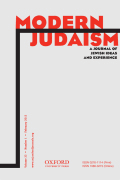
MODERN JUDAISM
Fostering Scholarly Dialogue on Contemporary JudaismMODERN JUDAISM is a premier journal dedicated to the multifaceted exploration of Jewish culture, history, and religious practice, providing a significant platform for scholarly discourse since its inception in 1981. Published by Oxford University Press Inc in the United States, this journal stands out with its diverse engagement across disciplines, reflected in its commendable 2023 category quartiles: Q2 in Cultural Studies and History, Q1 in Religious Studies, and notable rankings in Political Science and Sociology. With an impact factor that underscores its rigorous peer-review process and scholarly relevance, MODERN JUDAISM serves as an essential resource for researchers, professionals, and students alike, fostering an academic environment conducive to innovative ideas and comprehensive studies. Although not open access, the journal remains crucial for anyone looking to deepen their understanding of contemporary Jewish thought and its intersection with broader cultural and political currents. For further inquiry or submissions, please refer to the Journals Department at 2001 Evans Rd, Cary, NC 27513.
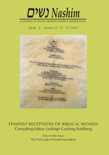
Nashim-A Journal of Jewish Womens Studies & Gender Issues
Uncovering Hidden Narratives in Gender DiscourseNashim: A Journal of Jewish Women's Studies & Gender Issues, published by Indiana University Press, stands as a pivotal platform for interdisciplinary scholarship at the intersection of Jewish studies, gender studies, and cultural discourse. With an ISSN of 0793-8934 and e-ISSN 1565-5288, this journal offers a vital repository of research and critical analysis, specifically highlighting the experiences and contributions of Jewish women across historical and contemporary contexts. Although classified in Q4 of the 2023 category quartiles for Arts and Humanities, Cultural Studies, and Gender Studies, it serves to amplify underrepresented voices and themes that are crucial for understanding societal dynamics. The journal spans from 2013 to 2024 and welcomes contributions that engage thoughtfully with gender issues in Jewish contexts, making it an essential resource for researchers, educators, and students alike, who are dedicated to exploring the rich complexities within this field of study. While Open Access is not currently supported, access to its in-depth articles can be sought through institutional databases and libraries, ensuring that its impactful research reaches those who seek it.
Aschkenas-Zeitschrift fuer Geschichte und Kultur der Juden
Connecting Past and Present in Jewish CultureAschkenas-Zeitschrift fuer Geschichte und Kultur der Juden, published by WALTER DE GRUYTER GMBH, is a distinguished academic journal that delves into the rich history and cultural heritage of Jewish communities. Based in Germany, this journal is indexed under the ISSN 1016-4987 and E-ISSN 1865-9438, making its contributions accessible to an international audience. Although it currently operates without open access options, the journal serves as an important platform for researchers in the fields of Arts and Humanities, History, Literature and Literary Theory, and Religious Studies, as evidenced by its publication history from 1996 to 2023. While ranked in the fourth quartile across various categories on Scopus, the journal provides critical insights and interdisciplinary approaches that enrich the understanding of Jewish cultural narratives. Researchers, professionals, and students alike will find valuable content that not only highlights historical perspectives but also engages with contemporary cultural discussions. This journal remains a vital resource for those seeking to deepen their knowledge and contribute to ongoing dialogues in Jewish studies.
JOURNAL OF JEWISH STUDIES
Cultivating Knowledge in Jewish Literature and ReligionJOURNAL OF JEWISH STUDIES, published by the Oxford Centre for Hebrew and Jewish Studies, stands as a distinguished platform for scholarly discourse in the fields of Jewish history, culture, literature, and religious studies. With its ISSN 0022-2097, this journal is recognized for its significant contributions to understanding Jewish heritage and thought, achieving commendable rankings in various categories, including Q1 in Literature and Literary Theory and Q2 in History and Cultural Studies, as of 2023. The journal fosters rigorous academic engagement and encourages researchers and scholars worldwide to explore the complexities of Jewish identity and its interconnections with broader historical narratives. Operating without an open access model, it nonetheless ensures a wide reach through its well-regarded reputation, making it an essential resource for anyone invested in Jewish studies. With a publication history spanning from 2002 to 2024, the journal continues to serve as an invaluable repository of knowledge and insight for students, researchers, and professionals alike.
Journal for the Study of Judaism
Fostering Dialogue in the Study of JudaismJournal for the Study of Judaism, published by BRILL, serves as a vital platform for scholarly discourse in the fields of History, Literature and Literary Theory, and Religious Studies. With a commendable impact factor and ranking in the Q2 and Q3 quartiles across its respective categories, this journal facilitates high-quality research that explores the multi-faceted dimensions of Jewish studies from its inception in 1970 to the present day. For those who engage with the journal, the commitment to rigorous peer-review processes ensures publication of significant articles that advance knowledge and foster discussions within the academic community. As an essential resource for researchers, professionals, and students alike, the journal continues to enrich the understanding of Judaism through esteemed contributions of scholarship and critical analysis. The journal’s rich legacy and commitment to excellence make it an indispensable tool for those seeking to deepen their insight into Jewish studies and its broader implications.
Aleph-Historical Studies in Science & Judaism
Advancing Understanding of Science Through a Jewish LensAleph-Historical Studies in Science & Judaism, published by Indiana University Press, is a pivotal journal at the intersection of history, religious studies, and the philosophy of science. With an ISSN of 1565-1525 and an E-ISSN of 1565-5423, this journal has gained recognition for its insightful exploration of the complex relationships between scientific practice and Jewish thought from 2009 to 2023. Operating from the heart of the United States, Aleph currently holds a Q4 category ranking in History, History and Philosophy of Science, and Religious Studies, reflecting a growing interest in its unique contributions to these fields. Notably, it ranks within the 79th percentile in Arts and Humanities History and Religious Studies, underscoring its significance in advancing scholarly dialogue. Although currently not an Open Access journal, it remains an essential resource for researchers, professionals, and students dedicated to uncovering the narratives that shape our understanding of science and religion.
JEWISH QUARTERLY REVIEW
Fostering Dialogue on Jewish Identity and HeritageJewish Quarterly Review, published by University of Pennsylvania Press, is a distinguished academic journal that delves into the multifaceted realms of Jewish culture, history, and religious studies. With a rich publication history dating back to 1953 and an impressive track record of rigorous scholarship, this journal maintains a Q2 ranking in key categories such as Cultural Studies, History, and Religious Studies in 2023, placing it among the top-tier journals in its field. The ISSN number 0021-6682 and the E-ISSN 1553-0604 ensure that its scholarship is widely accessible and traceable in academic databases. While the journal is not open access, it remains an essential resource for researchers, professionals, and students seeking in-depth analysis and perspectives on Jewish thought and heritage. The JQR is known for its editorial commitment to enhancing understanding and dialogue across cultural and historical contexts, making it an invaluable asset for anyone engaged in Jewish studies and related disciplines. With its headquarters in Philadelphia, PA, the journal continues to foster scholarly engagement and critical discourse on Jewish identity and experience through its carefully curated articles and reviews.