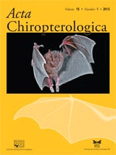
ACTA CHIROPTEROLOGICA
metrics 2024
Advancing Knowledge in Chiropterology
Introduction
ACTA CHIROPTEROLOGICA is a prominent international journal dedicated to the field of bat research, published by the Museum & Institute of Zoology PAS-Polish Academy of Sciences. With its commitment to scholarly excellence, this journal serves as a vital platform for scientists, researchers, and students exploring various aspects of chiropterology, including ecology, behavior, conservation, and taxonomy of bats. The journal has been consistently recognized for its high-quality contributions, holding a commendable Q2 status in the categories of Animal Science and Zoology as of 2023, and ranking #191 out of 490 in Agricultural and Biological Sciences according to Scopus, placing it in the 61st percentile. Although ACTA CHIROPTEROLOGICA does not operate under an open access model, its rigorous peer-review process and focus on innovative research provide invaluable insights and advancements in the understanding of bat biology and conservation. This journal not only bridges the gap between theoretical knowledge and practical applications but also highlights the importance of protecting these key species within our ecosystems. With a history spanning over two decades, from its inception in 1999 to ongoing contributions anticipated through to 2024, ACTA CHIROPTEROLOGICA continues to be an essential reference for anyone invested in the vibrant field of chiropterological research.
Metrics 2024
 0.420.701.0044
Metrics History
Rank 2024
Scopus
IF (Web Of Science)
JCI (Web Of Science)
Quartile History
Similar Journals

ZOOLOGICHESKY ZHURNAL
Connecting past insights with future discoveries in zoological sciences.Zoologichesky Zhurnal, a prominent journal in the field of Ecology, Evolution, Behavior and Systematics, has been a vital publication since its inception in 1950. Published by MAIK Nauka-Interperiodica in the Russian Federation, this journal has established a notable reputation in disseminating scientific research and advancing knowledge in zoology. With its coverage spanning from 1950 to 2023, and a specific convergent focus during 1982-1983, this journal contributes significantly to the ecological and evolutionary sciences, even though it currently holds a Q4 classification in the 2023 category quartiles, indicating its niche positioning among peers. Researchers and students engaged in the study of biological sciences, particularly those interested in the dynamics of ecosystems, behavior of species, and evolutionary processes, will find valuable insights and original research articles within its pages. While access to this esteemed journal is not open, it remains an essential resource for those seeking to deepen their understanding of zoological sciences.
JOURNAL OF BRYOLOGY
Fostering a Deeper Understanding of Plant LifeThe JOURNAL OF BRYOLOGY, published by TAYLOR & FRANCIS LTD, is an esteemed academic journal dedicated to the field of bryology, focusing specifically on the study of mosses and liverworts. With an impressive converged publication record from 1972 to 2024, the journal offers a platform for the dissemination of high-quality research that explores ecological, evolutionary, and systematic aspects of these vital plant groups. The journal is recognized within the Q2 quartile in both the Ecology, Evolution, Behavior and Systematics and Plant Science categories, demonstrating its significance in contributing to the scientific community's understanding of plant life. With its notable Scopus Rankings placing it in the top echelons of its field, the JOURNAL OF BRYOLOGY serves as an essential resource for researchers, professionals, and students alike, fostering a deeper appreciation of bryophyte biodiversity and their ecological roles. The journal does not currently offer an open access option, ensuring that subscribers have access to well-curated, rigorously peer-reviewed studies filled with critical insights into flora conservation and environmental sustainability.
TRANSACTIONS OF THE AMERICAN ENTOMOLOGICAL SOCIETY
Advancing Entomological Knowledge, One Transaction at a Time.TRANSACTIONS OF THE AMERICAN ENTOMOLOGICAL SOCIETY, published by the American Entomological Society, is a distinguished journal committed to advancing the field of entomology through innovative research and comprehensive reviews. With an ISSN of 0002-8320 and an E-ISSN of 2162-3139, this journal has been a vital resource for entomologists since its inception, showcasing significant findings in insect science as well as ecology, evolution, behavior, and systematics. Although currently not offering Open Access, the journal remains a pivotal platform for professionals, researchers, and students interested in the biological sciences related to insects. The journal's influence is reflected in its Scopus rankings, with a Q3 designation in Insect Science and a Q4 designation in Ecology, Evolution, Behavior and Systematics as of 2023. With a convergence of published years from 1993 to present, TRANSACTIONS aims to foster a deep understanding of insect-related topics, thereby contributing valuable insights that may influence both academic and practical realms within entomology.

Journal of Asia-Pacific Biodiversity
Illuminating the path to biodiversity conservation and sustainability.Journal of Asia-Pacific Biodiversity is an esteemed academic journal dedicated to advancing knowledge in the dynamic fields of biodiversity, ecology, and related biological sciences. Published by the NATL SCIENCE MUSEUM & KOREAN NATL ARBORETUM, this journal serves as a crucial platform for researchers and professionals seeking to explore and disseminate impactful findings pertaining to the Asia-Pacific region's rich biological diversity. With an E-ISSN of 2287-9544, the journal is indexed in leading databases, achieving a Q3 ranking across various categories in 2023, including Animal Science and Zoology, Ecology, Insect Science, and Plant Science. It strives to unite scientific research across disciplines, thus fostering a deeper understanding of ecological dynamics and conservation efforts within this vital region. The journal operates with an open access policy, ensuring that findings are widely available for widespread benefit, making it an essential resource for students, researchers, and environmental practitioners alike. Since its initiation in 2013 and continuing through 2024, the journal remains committed to delivering high-quality, peer-reviewed articles that contribute significantly to the global conversation on biodiversity and ecosystem sustainability.
ANIMAL CONSERVATION
Preserving Nature's Legacy, One Study at a Time.Animal Conservation is a prestigious journal that serves as a vital platform for the dissemination of research dedicated to the preservation of wildlife and habitats. Published by Wiley, this journal has established a significant presence in the fields of Ecology and Nature and Landscape Conservation, holding a distinguished Q1 category ranking for both in 2023. With an impressive Scopus rank of #25 in the realm of environmental science, it caters to a global audience keen on understanding and addressing pressing conservation issues. The journal provides researchers, professionals, and students with high-quality, peer-reviewed articles that explore innovative methods and strategies in animal conservation. With its continuous publication since 1998, encompassing a comprehensive range of topics, Animal Conservation is indispensable for anyone aiming to make impactful contributions to the field of ecology and conservation biology.
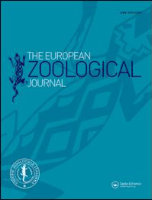
European Zoological Journal
Connecting Research and Conservation for a Sustainable FutureEuropean Zoological Journal, published by Taylor & Francis Ltd, is an esteemed open-access publication dedicated to advancing the exciting field of zoology. Since its inception in 2017, this journal has progressively established itself as a vital resource for researchers, professionals, and students alike. With its Q2 ranking in Animal Science and Zoology as of 2023, the journal ranks in the 69th percentile among its peers, showcasing its influence and contribution to the discipline. The journal’s broad scope covers a wide range of topics within zoology, aiming to foster an understanding of animal biology and conservation efforts. As an open-access journal, it not only enhances the dissemination of knowledge but also encourages collaborative research across global communities. Situated in the United Kingdom, the European Zoological Journal invites submissions that contribute to the evolving discourse in animal sciences, and endeavors to support the scientific community in addressing pressing ecological challenges.

AMPHIBIAN & REPTILE CONSERVATION
Elevating Awareness of Amphibian and Reptile ChallengesAMPHIBIAN & REPTILE CONSERVATION, published by the Amphibian Conservation Research Center & Lab, is a leading journal dedicated to the field of herpetology and environmental conservation. With an ISSN of 1083-446X and an E-ISSN of 1525-9153, this journal serves as a vital resource for researchers, conservationists, and students interested in the preservation of amphibian and reptile species. The journal has achieved remarkable rankings, categorized in the Q2 quartile for Animal Science and Zoology, Ecology, and Nature and Landscape Conservation as of 2023, reflecting its significant contribution to the scientific community. Over the converged years from 2016 to 2024, the journal has established itself as an integral platform for disseminating research findings, fostering collaboration, and enhancing the understanding of biodiversity and ecosystem dynamics. By embracing an open-access approach, AMPHIBIAN & REPTILE CONSERVATION ensures that critical research is readily available to a global audience, promoting informed conservation efforts and policy advocacy to safeguard these vital species amidst their declining populations.

COLEOPTERISTS BULLETIN
Exploring the Hidden Wonders of BeetlesCOLEOPTERISTS BULLETIN is a pivotal journal in the field of insect science, particularly focusing on the fascinating world of beetles. Published by the COLEOPTERISTS SOC, this journal disseminates high-quality research, illustrations, and literature reviews since its inception, with contributions spanning from 1988 to 2024. Though classified in Q3 of the insect science category as per the 2023 quartiles, it holds significant value for researchers, professionals, and students alike, offering insights into agricultural and biological sciences with an emphasis on coleopteran diversity and ecology. Based in the United States at the University of Georgia, this journal serves as a hub for scientific dialogue and advancements in the field. While it currently does not offer open access, its rigorously peer-reviewed articles ensure that cutting-edge research reaches a dedicated audience, promoting a deeper understanding of beetles' ecological roles and contributions to biodiversity.
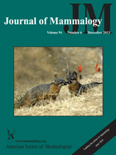
JOURNAL OF MAMMALOGY
Advancing the Frontiers of Mammalian ScienceJournal of Mammalogy, published by Oxford University Press Inc, is a premier journal dedicated to the field of mammalogy, providing a key platform for researchers and professionals interested in the biology, ecology, and conservation of mammals. With a prestigious impact factor reflected in its Q1 ranking in Animal Science and Zoology, and multiple Q2 rankings in related categories such as Ecology and Genetics for 2023, this journal is recognized for its significant contribution to advancing knowledge in the discipline. The journal features rigorous peer-reviewed articles, ensuring high-quality research output valuable for students, academia, and conservation efforts alike. While not an open-access journal, it offers comprehensive subscription options for institutions and individual readers, promoting accessibility to critical findings in the realm of mammal research. Established in the earlier years of the 20th century, the Journal of Mammalogy has continuously evolved, serving as an integral resource for disseminating innovative studies and insights that drive the future of mammalian sciences.
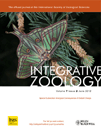
Integrative Zoology
Championing Excellence in Zoological SciencesIntegrative Zoology is a distinguished journal published by WILEY, focusing on advancing the field of zoological sciences through the integration of various biological disciplines. With both ISSN 1749-4877 and E-ISSN 1749-4869 identifiers, this journal features research that fosters a deeper understanding of animal biology, ecology, and conservation strategies. As a testament to its impact, Integrative Zoology is recognized within the Q1 category of Animal Science and Zoology in 2023, ranking an impressive #27 out of 490 journals in its field, placing it in the 94th percentile among peers. Published in the United Kingdom, this journal not only serves as a critical platform for novel research but also engages a global audience, inviting submissions that bridge theoretical and practical aspects of zoology. While not entirely open access, the journal remains committed to disseminating high-quality research that contributes substantially to scientific advancements. Through its continuous publication since 2008, Integrative Zoology aims to inspire researchers, educators, and students alike, making it a cornerstone for anyone passionate about the complexities of animal life.