
Acta Dermatovenerologica Alpina Pannonica et Adriatica
Scope & Guideline
Exploring Innovations in Skin Health
Introduction
Aims and Scopes
- Clinical Dermatology Research:
The journal publishes studies focusing on various skin conditions, including autoimmune diseases, infections, and dermatological manifestations of systemic diseases, contributing to a comprehensive understanding of dermatological health. - Epidemiological Studies:
Research exploring the prevalence, risk factors, and genetic associations of skin diseases, particularly in specific populations, is a key focus, aiding in the identification of public health concerns. - Innovative Treatment Approaches:
The journal highlights advancements in treatment methodologies, including clinical trials and case reports on novel therapies, thereby informing practitioners about emerging treatment options. - Diagnostic Techniques:
Emphasis on the development and evaluation of diagnostic methods, including dermoscopy and molecular diagnostics, enhances the accuracy of skin disease diagnosis. - Interdisciplinary Perspectives:
The journal promotes interdisciplinary research that intersects dermatology with other medical fields, such as immunology and infectious diseases, broadening the understanding of skin health.
Trending and Emerging
- Impact of COVID-19 on Dermatology:
Research related to the effects of COVID-19 on skin health, including cutaneous manifestations and the implications of vaccines, has surged, highlighting the pandemic's influence on dermatological practice. - Autoimmune and Inflammatory Skin Diseases:
There is an increasing focus on the immunopathogenesis and treatment of autoimmune skin conditions, indicating a growing recognition of the complexities involved in these disorders. - Molecular Epidemiology of Infectious Diseases:
Emerging studies on the molecular epidemiology of skin infections, such as monkeypox and other viral diseases, reflect heightened awareness and the need for rapid response in dermatological research. - Psychodermatology:
An increasing interest in the interplay between psychological factors and dermatological conditions, such as stress-related skin disorders, showcases a holistic approach to treatment. - Personalized and Targeted Therapies:
The rise in research on personalized medicine, including the use of biologics and targeted therapies for conditions like psoriasis and atopic dermatitis, signifies a shift towards more tailored treatment options.
Declining or Waning
- Traditional Treatment Modalities:
There has been a noticeable decrease in publications focused on conventional treatment methods, such as topical steroids and older systemic therapies, as newer, more effective treatments gain prominence. - Basic Science Research:
While foundational research remains important, there is a decline in the publication of studies that solely focus on basic science without direct clinical implications, reflecting a trend toward translational research. - General Dermatology Reviews:
Comprehensive reviews covering broad topics in dermatology are less frequent, possibly due to a shift towards more specialized and targeted research areas.
Similar Journals
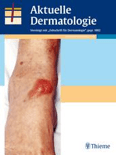
AKTUELLE DERMATOLOGIE
Illuminating the Future of Skin Science and Patient CareAKTUELLE DERMATOLOGIE is a distinguished journal in the field of Dermatology, published by GEORG THIEME VERLAG KG in Germany. With a commitment to advancing knowledge and practice in dermatological science, the journal has regularly featured research articles, reviews, and case studies since its inception in 1975 and continues to publish contributions through 2024. Despite being categorized in the lower quartile (Q4) of dermatology journals and holding a Scopus rank of #127 out of 142, it plays a pivotal role in disseminating valuable insights that support ongoing education and research in the discipline. The journal provides an essential platform for both seasoned professionals and budding researchers to share their findings, explore emerging trends, and discuss clinical practices, all while serving the needs of an evolving medical landscape. Access to its content may be restricted, but the journal remains a crucial reference for those invested in the future of dermatological research and patient care.

Turk Dermatoloji Dergisi-Turkish Journal of Dermatology
Exploring the forefront of Turkish dermatological science.Turk Dermatoloji Dergisi-Turkish Journal of Dermatology, published by Wolters Kluwer Medknow Publications, is a prominent platform dedicated to advancing the field of dermatology in Turkey and beyond. With an ISSN of 1307-7635 and an E-ISSN of 1308-5255, this journal plays a vital role in disseminating contemporary research and clinical advancements within the domain. While it is positioned in the Q4 quartile of dermatology journals, its contributions are essential for academics, medical practitioners, and students averse to the latest trends and breakthroughs in skin health. The journal assures accessibility to a broad audience, fostering knowledge exchange, collaboration, and innovation. Given its unique perspective rooted in Turkish dermatological practices, the Turkish Journal of Dermatology serves as a significant resource for enhancing professional competence and driving forward the science of dermatology through its vivid discussions and case studies. For researchers seeking a dedicated venue to publish their work or for professionals eager to stay informed, this journal is an indispensable resource in the ever-evolving landscape of dermatology.
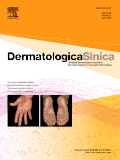
Dermatologica Sinica
Exploring the Frontiers of Dermatology TogetherDermatologica Sinica, published by Wolters Kluwer Medknow Publications, is an esteemed open-access journal in the field of dermatology that has been disseminating critical research since its inception in 2005. With an E-ISSN of 2223-330X and an ISSN of 1027-8117, this journal presents a platform for researchers, clinicians, and students to share cutting-edge findings and advancements in dermatological science. As of 2023, it proudly ranks in the Q2 category of dermatology journals and holds a notable position at rank #62 out of 142 in the Scopus Medicine - Dermatology category, placing it in the 56th percentile for impact. The journal transitioned to an open-access model in 2016, enhancing accessibility and visibility for groundbreaking studies worldwide. With a commitment to fostering innovation in the dermatological community, Dermatologica Sinica aims to advance the understanding and treatment of skin diseases while encouraging scholarly dialogue among practitioners and researchers across the globe.

Dermatologie
Advancing the Science of Skin HealthDermatologie, published by SPRINGER HEIDELBERG, is a prominent journal dedicated to the advancing field of dermatology. With its ISSN 2731-7005 and E-ISSN 2731-7013, this journal has established itself as a valuable resource for researchers, professionals, and students alike. Originating in Germany, the journal focuses on disseminating innovative research from 2022 to 2024, contributing significantly to the understanding of skin health and disease management. Despite its current ranking within the Q3 category in dermatology and a Scopus rank of #88/142, it provides critical insights and advances in clinical practice, epidemiology, and therapeutic modalities. With an emphasis on open discourse, it seeks to foster collaboration among healthcare professionals and researchers, thereby enhancing the quality and accessibility of dermatological research. Engage with Dermatologie to stay at the forefront of the latest advancements in skin-related health issues.
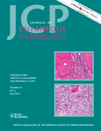
JOURNAL OF CUTANEOUS PATHOLOGY
Unveiling Insights in Dermatological ResearchJOURNAL OF CUTANEOUS PATHOLOGY, published by WILEY, serves as a vital resource in the fields of dermatology, pathology, and histology, reflecting its distinguished position with impressive categorization quartiles: Q2 in Dermatology and Pathology and Forensic Medicine, and Q3 in Histology for 2023. Established in 1974, this esteemed journal features peer-reviewed research that drives advancements in understanding skin diseases, with a convergence period extending to 2024. The journal's impactful contributions are evident through its Scopus rankings, placing it among the top tiers of its category, specifically holding the 52nd rank in Dermatology. Researchers, professionals, and students will find the journal invaluable for its rich content and critical insights into cutaneous pathology, despite its current non-open access status. The journal's dedication to fostering knowledge in this specialized field underlines its significance as a go-to reference for ongoing scholarship and clinical practice.
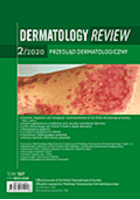
Przeglad Dermatologiczny
Advancing Dermatological Research for a Healthier TomorrowPrzeglad Dermatologiczny is a peer-reviewed open-access journal published by TERMEDIA PUBLISHING HOUSE LTD, based in Poland. Since its establishment in 1951, this journal has been dedicated to advancing the field of dermatology by providing a platform for the dissemination of original research, reviews, and clinical case studies. With an e-ISSN of 2084-9893, it has gained recognition within the academic community, despite its current classification in the Q4 quartile of dermatological journals. The journal has been openly accessible since 2009, promoting wider dissemination of scientific knowledge, and is crucial for researchers, professionals, and students alike. While it holds a current rank of #105 out of 142 in the Scopus Dermatology category, the journal continually strives to enhance its impact through quality publications that address pressing dermatological issues. The diverse range of topics covered in the journal ensures it remains a vital resource for those looking to stay informed on the latest developments in dermatological research.
JOURNAL DER DEUTSCHEN DERMATOLOGISCHEN GESELLSCHAFT
Advancing dermatological science through rigorous research.JOURNAL DER DEUTSCHEN DERMATOLOGISCHEN GESELLSCHAFT, published by Wiley, is a prominent periodical in the field of dermatology, recognized by its Q2 quartile ranking in the 2023 dermatology category. With a dedicated focus on advancing knowledge in dermatological science, the journal publishes rigorous peer-reviewed research that encompasses a range of topics including clinical studies, research methodologies, and innovative treatment practices in dermatology. Its impact is reflected in its Scopus ranking, where it stands at #48 out of 142 in the medicine dermatology category, placing it in the top 66th percentile. Although not an Open Access journal, it serves as a critical resource for researchers, clinicians, and students alike, facilitating the dissemination of high-quality research findings and fostering a deeper understanding of dermatological conditions and treatments. With years of convergence from 2003 to 2024, this journal remains a vital platform for scholarly dialogue and discovery in dermatology.
Indian Journal of Paediatric Dermatology
Transforming insights into practice for young patients.Indian Journal of Paediatric Dermatology (ISSN: 2319-7250; E-ISSN: 2319-7269), published by Wolters Kluwer Medknow Publications, stands as a pivotal resource in the specialized field of paediatric dermatology. As a peer-reviewed open access journal since 2013, it aims to disseminate cutting-edge research, clinical practices, and innovative developments that cater to the specific dermatological needs of children. The journal provides an essential forum for collaboration among researchers, clinicians, and students, facilitating the sharing of knowledge on a wide array of topics, including skin conditions unique to paediatric populations, treatment methodologies, and advancements in dermatological care. With a commitment to enhancing the understanding and treatment of paediatric skin diseases, this journal plays a critical role in shaping best practices and informing future research directions in a rapidly evolving field.
AMERICAN JOURNAL OF CLINICAL DERMATOLOGY
Bridging Research and Practice in DermatologyThe American Journal of Clinical Dermatology, published by Adis International Ltd, is a leading peer-reviewed journal dedicated to advancing the field of dermatology. With a notable impact factor and a prestigious Q1 rank in both Dermatology and Miscellaneous Medicine categories, this journal stands out as a valuable resource for researchers and clinicians alike, offering cutting-edge insights into clinical practice and innovative treatment strategies. Its comprehensive scope encompasses a broad range of topics within dermatology, addressing both common and rare conditions, with a focus on emerging therapies and technologies. As it converges its publication years from 2000 to 2024, the journal remains an essential platform for disseminating high-quality research to professionals striving to improve patient care and outcomes. With the ISSN 1175-0561 and E-ISSN 1179-1888, the American Journal of Clinical Dermatology facilitates greater accessibility to pivotal findings within the field, making it an indispensable resource for anyone involved in dermatological research and practice.

Dermatology Practical & Conceptual
Bridging practical insights with groundbreaking research.Dermatology Practical & Conceptual is a prominent open-access journal dedicated to advancing the field of dermatology through the dissemination of cutting-edge research and practical insights. Published by MATTIOLI 1885, this peer-reviewed journal has been committed to open access since 2015, ensuring that valuable information is readily available to researchers, healthcare professionals, and students worldwide. With a focus on innovative and practical approaches in dermatology, as well as its intersections with genetics, molecular biology, and oncology, the journal has established a strong academic presence, achieving a Q2 ranking in Dermatology and notable positions in related fields for 2023. Although its Scopus rankings indicate room for improvement in certain areas, such as genetics and molecular biology, the journal's commitment to quality and accessibility is evident in its engagement with contemporary research trends. The editors invite submissions that address practical challenges and novel methodologies, fostering a multidisciplinary dialogue that enhances dermatological practice and research. The journal operates from its base in Fidenza, Italy, and as it looks toward converged years from 2019 to 2024, it aims to further strengthen its influence and contribute significantly to the dermatological landscape.