ADDICTION RESEARCH & THEORY
Scope & Guideline
Advancing the Science of Addiction.
Introduction
Aims and Scopes
- Theoretical Frameworks:
The journal publishes research that explores various theoretical models of addiction, facilitating a deeper understanding of the psychological, social, and biological factors that contribute to addictive behaviors. - Empirical Research:
A strong emphasis is placed on empirical studies that provide data-driven insights into addiction patterns, treatment efficacy, and the social impacts of substance use. - Interdisciplinary Approaches:
Research published in the journal often integrates perspectives from psychology, sociology, public health, and neuroscience, fostering a holistic view of addiction and recovery. - Policy and Practice Implications:
The journal seeks to influence policy and practice by disseminating research findings that inform public health initiatives and treatment protocols for addiction. - Focus on Stigma and Recovery:
A notable aspect of the journal is its commitment to addressing stigma associated with addiction and promoting recovery-oriented practices that empower individuals.
Trending and Emerging
- Digital and Social Media Influences:
There is an increasing focus on how digital platforms and social media impact addiction behaviors, particularly among youth. This includes studies on online gambling, alcohol marketing, and the role of social networks in substance use. - Holistic Recovery Models:
Emerging research emphasizes the importance of holistic and person-centered recovery models that consider social support, community integration, and individual experiences in the recovery process. - Intersectionality in Addiction:
Research exploring the intersections of gender, sexuality, socioeconomic status, and cultural background in relation to addiction is gaining traction, highlighting the diverse experiences of individuals affected by substance use. - Impact of COVID-19 on Addiction:
The pandemic has prompted a surge in studies examining its effects on substance use patterns, treatment access, and the mental health of individuals in recovery, marking a significant shift in research priorities. - Innovative Treatment Modalities:
There is a growing interest in exploring novel treatment approaches, including technology-assisted interventions, peer support models, and integrative health strategies as effective means to address addiction.
Declining or Waning
- Traditional Substance Use Disorders:
While traditional topics related to alcohol and drug use remain important, there is a noticeable decrease in the frequency of studies focusing solely on these issues without considering the broader context of recovery and social determinants. - Single-Disorder Studies:
Research that examines addiction in isolation, without considering co-occurring mental health issues or multi-substance use, is becoming less prevalent. There is a growing recognition of the complexities of addiction that necessitate a more integrated approach. - Stigmatization Studies:
Although stigma continues to be a relevant topic, studies that primarily focus on stigma without proposing actionable solutions or considering recovery dynamics are appearing less frequently. - Historical Perspectives on Addiction:
Research that focuses solely on historical aspects of addiction without connecting them to current practices or theories is less common, reflecting a shift towards more contemporary issues.
Similar Journals
Suchttherapie
Fostering Knowledge for a Healthier TomorrowSuchttherapie, an esteemed journal published by GEORG THIEME VERLAG KG, serves as a critical platform within the fields of Applied Psychology and Psychiatry and Mental Health. Established in 2000 and continuing through 2024, this journal is committed to advancing the understanding and treatment of addiction and related psychological issues. Although it currently stands in the Q4 Quartile ranking and is categorized as low percentile in both Scopus Ranks and impact metrics, its significance lies in its dedication to disseminating cutting-edge research and clinical findings that contribute to the evolving landscape of therapeutic practices. Published in Germany, the journal facilitates unlimited access to the vital discourse surrounding mental health and addiction treatment, making it a valuable resource for researchers, professionals, and students alike seeking to enhance their knowledge and skills in this important area of study. As the field continues to grow, Suchttherapie plays a pivotal role in bridging practice with academic rigor, ensuring that readers remain informed on the latest methodologies and insights.
Canadian Journal of Addiction
Pioneering insights into addiction and mental health.Canadian Journal of Addiction is a leading platform dedicated to advancing the understanding of addiction and its multifaceted impacts on individuals and society. Published by LIPPINCOTT WILLIAMS & WILKINS, this journal aims to foster rigorous research and discussion in the field of addiction studies, contributing significantly to the intersection of psychiatry and mental health. With its ISSN 2368-4720 and E-ISSN 2368-4739, the journal is indexed in Scopus and has been categorized in the Q3 quartile for 2023, reflecting its emerging influence amongst peers. The Canadian Journal of Addiction facilitates a vital exchange of ideas and findings, crucial for researchers, practitioners, and students alike, addressing pressing issues related to addiction through innovative studies and insightful reviews. Subscribers and readers benefit from the latest findings as they navigate through the dynamic landscape of addiction research, enriching both academic knowledge and practical applications.

PSYCHOLOGY OF ADDICTIVE BEHAVIORS
Unlocking Insights into Addictive BehaviorsPsychology of Addictive Behaviors, published by the Educational Publishing Foundation of the American Psychological Association, is a distinguished peer-reviewed journal dedicated to advancing the understanding of addiction through rigorous psychological research. With an impressive impact factor and a reputation for excellence, this journal holds a prestigious Q1 quartile ranking in Clinical Psychology, Medicine (miscellaneous), and Psychiatry and Mental Health as of 2023. Since its inception in 1993, it has provided a vital platform for the dissemination of high-quality studies, fostering collaboration and knowledge exchange amidst researchers, clinicians, and students in the mental health arena. The journal is particularly noted for its comprehensive coverage of diverse topics related to addictive behaviors, thereby contributing significantly to the field's evidence base and clinical practices. Although currently not open access, its commitment to scholarly excellence ensures that subscribers benefit from invaluable insights into the complexities of addiction. With the culmination of research spanning from 1993 to 2024, Psychology of Addictive Behaviors stands as a cornerstone for those striving to understand and combat the challenges of addiction.
Journal of Addiction Medicine
Transforming Understanding of Addiction ChallengesWelcome to the Journal of Addiction Medicine, a premier academic resource devoted to the field of addiction studies, published by LIPPINCOTT WILLIAMS & WILKINS. Since its inception in 2007, this esteemed journal has become a leader in disseminating groundbreaking research, with impressive rankings in the Q1 quartile across key disciplines such as Medicine (Miscellaneous), Pharmacology (Medical), and Psychiatry and Mental Health, reflecting its significance in the scholarly community. With an ISSN of 1932-0620 and an E-ISSN of 1935-3227, it caters to a diverse audience of researchers, clinicians, and students seeking to expand their understanding of addiction medicine. The journal's articles are primarily published in a non-open access format, ensuring high-quality research is accessible through institutional subscriptions. With a Scopus ranking that positions it within the top tiers of several relevant categories, the Journal of Addiction Medicine is essential for anyone committed to advancing knowledge in the field and addressing the complexities surrounding addiction.
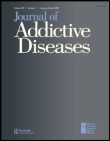
JOURNAL OF ADDICTIVE DISEASES
Bridging Research and Clinical Applications in AddictionJOURNAL OF ADDICTIVE DISEASES, published by ROUTLEDGE JOURNALS, TAYLOR & FRANCIS LTD, serves as a pivotal platform for researchers, clinicians, and students in the realms of clinical psychology, psychiatry, and addiction studies. With a distinguished history dating back to its inception in 1991, this journal spans critical research developments with its current scope covering converged years from 2018 to 2024, ensuring a robust repository of knowledge. Notably, it holds a respectable impact factor and is categorized in Q2 quartiles across several disciplines including Clinical Psychology, Medicine (miscellaneous), and Psychiatry and Mental Health for 2023, reflecting its impactful contributions to the scientific community. Despite the journal not currently offering Open Access, it remains highly ranked, occupying positions in the top percentiles of Scopus rankings. This journal emphasizes the importance of disseminating high-quality research focused on addictive behaviors and diseases, thereby addressing vital clinical and public health challenges.
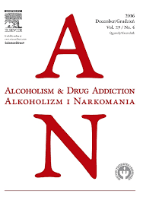
Alkoholizm i Narkomania-Alcoholism and Drug Addiction
Pioneering research on addiction and mental health.Alkoholizm i Narkomania - Alcoholism and Drug Addiction is a prominent peer-reviewed journal published by the Institute of Psychiatry and Neurology, Department of Studies on Alcoholism in Warsaw, Poland. Renowned for its commitment to advancing the fields of addiction research and mental health, this journal disseminates critical findings regarding the prevention, treatment, and societal implications of alcoholism and drug addiction. Since becoming Open Access in 2017, it ensures that researchers, professionals, and students from across the globe have unrestricted access to valuable resources and emerging studies within this vital area of public health. The journal emphasizes innovative methodologies and interdisciplinary approaches, inviting contributions that explore the complex interplay of psychological, social, and biological factors influencing addiction. By fostering a collaborative and inclusive scholarly community, Alkoholizm i Narkomania aims to contribute significantly to the understanding and resolution of addiction-related challenges worldwide.
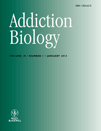
ADDICTION BIOLOGY
Decoding the Biological Foundations of AddictionADDICTION BIOLOGY, published by Wiley, is a leading peer-reviewed journal dedicated to advancing the understanding of addiction science. With an impressive impact factor and recognized as a Q1 journal in Medicine, Pharmacology, and Psychiatry and Mental Health, ADDICTION BIOLOGY occupies a crucial position in the scientific discourse surrounding the biological and neurochemical underpinnings of addictive behaviors. Since its inception in 1996, the journal has been at the forefront of research, fostering interdisciplinary collaborations and promoting innovative studies that explore the complexities of addiction. Researchers and professionals benefit from the journal's commitment to high-quality manuscripts, offering essential insights into prevention, treatment, and rehabilitation strategies for substance use disorders. Although it does not offer open access, ADDICTION BIOLOGY remains accessible through various academic libraries, ensuring that groundbreaking studies reach a global audience. This journal is indispensable for anyone seeking to deepen their knowledge in the rapidly evolving field of addiction research.

SUBSTANCE USE & MISUSE
Innovative research shaping the discourse on substance use and misuse.SUBSTANCE USE & MISUSE, published by Taylor & Francis Inc, is an esteemed academic journal dedicated to the multifaceted study of substance use and its implications on health and society. With a notable impact factor and categorized in the Q2 quartile across multiple fields—including Health (Social Science), Medicine (Miscellaneous), Psychiatry and Mental Health, as well as Public Health—this journal serves as an essential platform for researchers, professionals, and students alike. Spanning from 1966 to 2024, it provides a rich archive of peer-reviewed articles that explore current trends, innovative research, and evidence-based practices in the management and understanding of substance use. The journal offers various access options, catering to the diverse needs of its audience and affirming its commitment to fostering scholarly discourse in the United Kingdom and beyond. By engaging with this journal, readers can enhance their understanding of the complexities surrounding substance use, making it a crucial resource for advancing knowledge and informing policy in this critical area of public health.
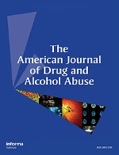
AMERICAN JOURNAL OF DRUG AND ALCOHOL ABUSE
Exploring Innovative Solutions for Drug and Alcohol ChallengesAmerican Journal of Drug and Alcohol Abuse is a highly regarded publication in the field of substance abuse research, published by Taylor & Francis Inc. With its inception in 1974, this journal has become an essential resource for scholars and practitioners interested in clinical psychology, psychiatry, and the multifaceted issues surrounding drug and alcohol use. It holds a notable Q2 ranking in Clinical Psychology, Medicine (miscellaneous), and Psychiatry and Mental Health, emphasizing its impact and relevance in these domains. The journal's 2023 Scopus rankings further highlight its standing, placing it in the top quartile of publications with established readership and citation metrics. Researchers and students can benefit from its comprehensive articles that delve into the complexities of substance use, treatment methodologies, and the socio-psychological underpinnings of addiction. Whether you seek to access cutting-edge studies or contribute to ongoing discourse in the field, the American Journal of Drug and Alcohol Abuse serves as a vital hub for knowledge dissemination and scholarly engagement.
International Journal of Mental Health and Addiction
Connecting Research, Policy, and Practice in Mental HealthThe International Journal of Mental Health and Addiction, published by Springer, stands as a premier resource within the field of psychiatry and mental health. With an impressive impact factor placing it in the Q1 category and ranking #17 out of 567 journals in its discipline according to Scopus, this journal plays a crucial role in advancing scholarly research and practices related to mental health and addiction. Since its inception in 2006, the journal has committed to disseminating high-quality, peer-reviewed work that addresses contemporary challenges in mental health, including innovative treatment strategies, policy implications, and psychosocial dynamics. Operating from New York, USA, the journal also aims to foster interdisciplinary collaboration, providing a platform for researchers, clinicians, and policymakers. While it does not offer open access, the publication is dedicated to making impactful research accessible to its audience by ensuring that content is widely disseminated. The International Journal of Mental Health and Addiction, with its rigorous editorial standards and dedication to mental health advancement, remains an essential journal for anyone pursuing knowledge in the ever-evolving landscape of mental health and addiction.