
ADMET and DMPK
Scope & Guideline
Pioneering research at the intersection of absorption and metabolism.
Introduction
Aims and Scopes
- ADMET Profiling:
Research focusing on the absorption, distribution, metabolism, excretion, and toxicity of drugs, providing insights into their pharmacological behavior and safety. - Drug Formulation and Delivery Systems:
Studies on the development and optimization of drug delivery systems, including nanomaterials and liposomes, aimed at enhancing drug efficacy and bioavailability. - Electrochemical Sensing and Biosensors:
Innovative methodologies involving electrochemical sensors for detecting drug compounds and biomarkers, which are crucial for pharmacokinetic studies and therapeutic monitoring. - Pharmacokinetics and Modeling:
Research involving the modeling of drug pharmacokinetics, including novel approaches to predict drug behavior in vivo, which is essential for drug development. - Nanotechnology in Drug Development:
Exploration of nanotechnology applications in drug formulation, delivery, and diagnostics, highlighting the transformative potential of nanomaterials in enhancing therapeutic outcomes.
Trending and Emerging
- Nanomaterials and Drug Delivery Innovations:
There is an increasing focus on the application of nanomaterials for drug delivery, enhancing bioavailability, and overcoming biological barriers, which is crucial for developing effective therapies. - Electrochemical Biosensors for Biomarker Detection:
The trend towards using advanced electrochemical methods for detecting biomarkers and drugs highlights the importance of rapid and sensitive diagnostic tools in pharmacokinetics. - Sustainable and Green Chemistry Approaches:
Research emphasizing environmentally friendly synthesis methods for drug compounds and materials is gaining traction, reflecting a broader commitment to sustainability in pharmaceutical sciences. - Advanced In Vitro Models for Drug Testing:
The emergence of sophisticated in vitro models, including 3D cell cultures and organ-on-a-chip systems, underscores a shift towards more predictive and ethical approaches in drug testing. - Personalized Medicine and Pharmacogenomics:
An increasing interest in the interplay between genetics and drug response is evident, indicating a trend towards personalized medicine that tailors treatments based on individual genetic profiles.
Declining or Waning
- Traditional Pharmaceutical Formulations:
Research focusing on conventional drug formulation techniques is becoming less frequent as new technologies, particularly nanotechnology and advanced delivery systems, gain traction. - Basic Pharmacological Studies:
Studies that solely focus on basic pharmacological effects without integrating ADMET or DMPK perspectives are declining, as the journal emphasizes comprehensive approaches that include these critical factors. - Animal Studies in Drug Development:
There is a noticeable decrease in studies relying solely on animal models for drug testing, as the field moves towards more ethical and predictive in vitro models, including organ-on-a-chip technologies.
Similar Journals

Clinical Pharmacology in Drug Development
Advancing pharmaceutical science for a healthier tomorrow.Clinical Pharmacology in Drug Development, published by WILEY, is a distinguished journal dedicated to advancing the field of pharmaceutical science and drug development. With a strong commitment to disseminating cutting-edge research, this journal serves as a crucial platform for professionals, researchers, and students aiming to enhance their understanding of pharmacological principles and innovations in medical therapeutics. Since its inception in 2012, the journal has consistently maintained a noteworthy presence in the academic community, currently achieving a Q2 ranking in both Pharmaceutical Science and Medical Pharmacology categories as of 2023. Although the journal operates under a subscription model, it is highly regarded for its rigorous peer-reviewed publications, offering insights into drug efficacy, safety, and regulatory challenges. Positioned at the intersection of clinical practices and pharmaceutical advancements, Clinical Pharmacology in Drug Development plays an essential role in bridging the gap between scientific research and real-world application, ensuring that the latest therapeutic strategies are optimized for patient care.

Journal of Reports in Pharmaceutical Sciences
Empowering Researchers with Cutting-Edge Findings.Journal of Reports in Pharmaceutical Sciences is a pivotal publication in the realm of pharmaceutical research, disseminating innovative findings that cater to the evolving landscape of pharmacology, toxicology, and biomedical engineering. Published by Wolters Kluwer Medknow Publications, the journal serves as a bridge for scholars and practitioners aiming to enhance their understanding of drug development, therapeutic advances, and biopharmaceutical technologies. With an ISSN of 2322-1232 and E-ISSN 2322-5106, it has established its relevance from 2012 to 2022, occupying notable quartile rankings, including Q3 in Pharmacology, Toxicology, and Pharmaceutics. Despite being categorized in Q4 in some areas, the journal's commitment to quality research ensures it remains a respected platform for disseminating significant insights. Researchers, professionals, and students alike will find this journal an indispensable resource for staying updated on critical advancements in pharmaceutical sciences, making it a go-to source for impactful studies that shape industry practices and academic inquiries.

Pharmaceutical Sciences
Empowering global health through cutting-edge pharmaceutical research.Pharmaceutical Sciences, an esteemed journal published by Tabriz University of Medical Sciences, Faculty of Pharmacy, serves as a crucial platform for the dissemination of pioneering research in the fields of pharmaceutical science, pharmacology, and toxicology. With an impact factor reflective of its substantial contribution to the scientific community, this open access journal has been accessible since 2012, ensuring that researchers, professionals, and students worldwide can engage with its rich content. Located in Iran, it has continually evolved, covering research from 2009 to 2024, and boasts impressive rankings in multiple Scopus categories, including Q3 in Pharmaceutical Science and Q2 in Pharmacology, Toxicology and Pharmaceutics. By bridging gaps between scientific inquiry and practical applications, Pharmaceutical Sciences is dedicated to advancing pharmaceutical knowledge and promoting innovative practices that address significant health challenges.
XENOBIOTICA
Transforming Knowledge on Xenobiotic Effects.XENOBIOTICA is a premier journal in the field of pharmacology and toxicology, published by Taylor & Francis Ltd. With an ISSN of 0049-8254 and E-ISSN 1366-5928, this journal has been at the forefront of research since 1971, providing critical insights and advancements up until 2024. It is recognized for its rigorous peer-reviewed content, occupying a third quartile ranking across various categories including Biochemistry, Health, Toxicology, and Pharmacology as of 2023. The journal serves as a pivotal platform for disseminating innovative findings that address the impact of xenobiotics on health and the environment, making it an essential resource for researchers, professionals, and students engaged in these multidisciplinary fields. While it does not currently offer open access, it is widely respected for its contribution to science, evidenced by its Scopus rankings across different areas of study. The journal encourages submissions that push the boundaries of knowledge and transform our understanding of the effects of chemical substances on living organisms.
Acta Pharmaceutica Sinica B
Advancing the Frontiers of Pharmaceutical ScienceActa Pharmaceutica Sinica B is a prestigious open access journal that has been setting the standard in the field of pharmacology, toxicology, and pharmaceutics since its establishment in 2011. Published by the Institute of Materia Medica, Chinese Academy of Medical Sciences, the journal serves as a vital platform for researchers, professionals, and students seeking to disseminate innovative findings in drug development, pharmaceutical sciences, and therapeutic applications. With an impressive impact factor reflecting its high academic quality, Acta Pharmaceutica Sinica B has achieved Q1 status in the category of Pharmacology, Toxicology and Pharmaceutics as of 2023, ranking #1 out of 80 journals in General Pharmacology. This journal not only focuses on the latest advancements in drug research and formulation but also emphasizes interdisciplinary approaches, fostering collaborations that span various scientific domains. The accessible nature of the journal, combined with its rigorous peer-review process, ensures that crucial insights and breakthroughs reach a global audience swiftly and effectively. For those looking to stay at the forefront of pharmaceutical research, Acta Pharmaceutica Sinica B is an indispensable resource.
AAPS Journal
Connecting Researchers and Innovators in Pharmaceutical Sciences.AAPS Journal, published by Springer in the United States, is a leading peer-reviewed journal dedicated to the advancement of research in the field of Pharmaceutical Sciences. With an impressive Q1 rank in its category and a position within the 81st percentile of Scopus rankings, it serves as a vital resource for researchers and professionals seeking to disseminate impactful findings and innovative methodologies. The journal publishes high-quality original research, review articles, and technical reports aimed at addressing the multifaceted challenges in pharmacology, toxicology, and pharmaceutics. Operating under an Open Access model, AAPS Journal ensures broad dissemination of knowledge, contributing to the enhanced visibility and accessibility of research outputs. With a publication window spanning from 1999 to 2024, it continues to shape the future of pharmaceutical research and its applications. Researchers, students, and industry professionals will find a valuable repository of cutting-edge knowledge in this esteemed journal.
DRUG METABOLISM REVIEWS
Advancing knowledge in pharmacology and toxicology.Drug Metabolism Reviews is a premier journal dedicated to the dissemination of scientific research and reviews in the field of pharmacology, toxicology, and pharmaceutics, published by Taylor & Francis Ltd. With its inception dating back to 1972, this journal has consistently provided an authoritative platform for scholars and professionals from diverse disciplines to explore the intricate mechanisms of drug metabolism and their implications for therapeutic applications. The journal enjoys commendable rankings, placing in the Q2 quartile for Pharmacology (medical) and the Q1 quartile in the miscellaneous subfield, signaling its significant impact within the community. Notably, it is recognized within the top 96th percentile in General Pharmacology, Toxicology and Pharmaceutics, affirming its esteemed position among academic publications. Although it operates under a subscription model, Drug Metabolism Reviews remains an essential resource for researchers, professionals, and students seeking to deepen their understanding of drug interactions, safety, and efficacy. The insights shared within its pages contribute vital knowledge to the global discourse on drug development and personalized medicine.
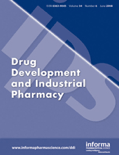
DRUG DEVELOPMENT AND INDUSTRIAL PHARMACY
Connecting Academia and Industry for Drug DiscoveryDrug Development and Industrial Pharmacy is a prestigious journal published by Taylor & Francis Ltd, focusing on the critical field of pharmaceutical sciences. With an ISSN of 0363-9045 and an E-ISSN of 1520-5762, the journal has been an essential resource for researchers and professionals since its inception in 1974. It occupies a crucial niche within Drug Discovery, Organic Chemistry, and Pharmaceutical Science, currently ranked in the second and third quartiles, reflecting its solid contribution to the field. The journal encompasses a wide array of topics, including drug development processes, formulation, and industrial manufacturing alongside cutting-edge research in pharmacology and toxicology. With a commendable Scopus ranking demonstrating high relevance—ranked #44 in Pharmaceutical Science—it serves as a vital forum for academia and industry to share innovative findings and methodologies. While it does not offer open access, the journal remains an invaluable resource for those seeking to advance their knowledge and enhance their research in pharmaceutical development.
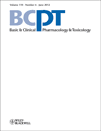
BASIC & CLINICAL PHARMACOLOGY & TOXICOLOGY
Bridging Science and Practice in Pharmacology and ToxicologyBASIC & CLINICAL PHARMACOLOGY & TOXICOLOGY, published by WILEY, serves as a vital resource in the fields of medicine, pharmacology, and toxicology. With an ISSN of 1742-7835 and E-ISSN 1742-7843, this journal has established a robust reputation, reflected in its Q2 classification across its categories in 2023. It aims to disseminate high-quality research and reviews that bridge the gap between basic scientific findings and clinical applications. Operating from the United States with an address at 111 RIVER ST, HOBOKEN 07030-5774, NJ, this journal focuses on the intersection of drug action and toxicity, making it an essential platform for researchers, healthcare professionals, and students. With a converged publication timeline from 2004 to 2024, BASIC & CLINICAL PHARMACOLOGY & TOXICOLOGY continues to make significant contributions to understanding pharmacological treatments and toxicological challenges. Open access options are available to broaden the reach and impact of its published work.
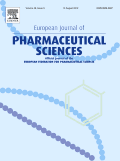
EUROPEAN JOURNAL OF PHARMACEUTICAL SCIENCES
Elevating Pharmaceutical Science through Rigorous ResearchThe European Journal of Pharmaceutical Sciences is a prestigious academic journal dedicated to advancing the field of pharmaceutical science. Published by Elsevier, the journal boasts an impressive impact factor and is categorized in the Q1 quartile for pharmaceutical science as of 2023, signifying its influence and reputation within the academic community. With a Scopus ranking of #20 out of 183 in the fields of pharmacology, toxicology, and pharmaceutics, the journal provides a vital platform for researchers and practitioners to disseminate innovative studies and groundbreaking research that push the boundaries of drug development and delivery. Based in the Netherlands and operating since 1993, the journal seeks to cover a broad scope of topics related to pharmaceutical sciences, encouraging rigorous evaluations and discussions that enhance the understanding and application of this critical field. The absence of open access underscores the commitment to maintaining high scholarly standards, while still offering avenues for libraries and institutions to provide access to cutting-edge research. As the journal converges towards its 2024 milestones, it continuously aims to foster a vibrant exchange of knowledge among its diverse readership, comprising committed researchers, professionals, and students.