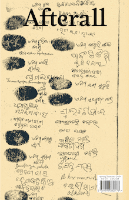
Afterall
Scope & Guideline
Illuminating the Evolving Landscape of Artistic Expression
Introduction
Aims and Scopes
- Interdisciplinary Art Criticism:
The journal emphasizes a multidisciplinary approach to art criticism, integrating perspectives from sociology, anthropology, and cultural studies to deepen the understanding of contemporary art practices. - Exploration of Political Contexts:
A consistent aim is to investigate how art interacts with political landscapes, particularly in relation to themes of resistance, identity, and historical narratives. - Engagement with Global Art Practices:
'Afterall' highlights global art practices, focusing on underrepresented voices and regions, thus contributing to a more inclusive understanding of contemporary art. - Archival and Ethnographic Research:
The journal promotes methodologies such as archival research and ethnography, encouraging artists and scholars to engage with historical contexts and lived experiences in their work. - Art as a Medium for Social Change:
A core focus is on how art can be a catalyst for social change, examining works that address issues of injustice, memory, and collective resistance.
Trending and Emerging
- Art and Activism:
There is a growing emphasis on the relationship between art and activism, with works that explore how artistic practices can mobilize communities and address social injustices. - Memory and Trauma in Art:
Recent themes highlight the role of memory and trauma in artistic expression, particularly in relation to historical events and collective experiences, thereby fostering a deeper understanding of cultural narratives. - Interdisciplinary Collaborations:
The journal increasingly showcases interdisciplinary collaborations, where artists engage with scholars from various fields, reflecting a trend towards hybrid practices that blend art with science, technology, and social inquiry. - Environmental and Ecological Concerns:
Emerging discussions on environmental issues within art practice indicate a rising concern for ecological sustainability and the role of art in addressing climate change and ecological degradation. - Digital and New Media Art:
With the rise of technology, there is a marked interest in digital and new media art practices, exploring how these mediums challenge traditional notions of art and expand its accessibility.
Declining or Waning
- Traditional Art Historical Analysis:
There is a noticeable decrease in conventional art historical analyses that solely focus on aesthetic evaluation or stylistic categorization, as the journal shifts towards more contextual and critical approaches. - Eurocentric Perspectives:
The journal has moved away from Eurocentric viewpoints in favor of more inclusive narratives that prioritize global perspectives, resulting in less frequent coverage of Western-centric art movements. - Formalism in Art Critique:
Formalism, which emphasizes the visual elements of art without context, is becoming less relevant in 'Afterall's' discourse, as the journal increasingly prioritizes the socio-political implications of art.
Similar Journals

ARTIBUS ASIAE
Elevating Academic Discourse in the ArtsARTIBUS ASIAE, published by ARTIBUS ASIAE, is a distinguished journal focused on the fields of Archeology and Visual Arts and Performing Arts. Based in Switzerland and with a history of converged years from 2002 to 2024, this journal serves as a vital platform for scholarly discourse and research dissemination within the arts and humanities. Although it currently does not offer open access, ARTIBUS ASIAE maintains a commitment to academic integrity and quality, as evidenced by its presence in Scopus rankings, which places it in the Q4 tier for both Archeology and its niche in the arts and humanities, while achieving a Q3 ranking in Visual Arts and Performing Arts. With an emphasis on advancing knowledge and understanding across various disciplines, ARTIBUS ASIAE is an essential resource for researchers, professionals, and students seeking to enrich their understanding and contribute to the ongoing dialogue in these significant areas of study.
AFRICAN ARTS
Diving into the Heartbeat of African CreativityAFRICAN ARTS is a distinguished journal published by MIT PRESS, focusing on the vibrant intersections of literature, visual arts, and performing arts within the African context. Boasting an ISSN of 0001-9933 and an E-ISSN of 1937-2108, this journal serves as a critical platform for scholars and practitioners worldwide to explore and disseminate their research on African artistic expressions. With a solid impact represented by its Q3 rankings in both Literature and Literary Theory and Visual Arts and Performing Arts as of 2023, it ranks in the top 20% within the literature category and in the top 30% for visual arts. AFRICAN ARTS aims to foster a deeper understanding of the cultural, historical, and social contexts that shape these disciplines, embracing a wide array of methodologies and theoretical frameworks. Though not an open-access journal, it provides valuable insights and analysis that contribute significantly to the global discourse surrounding African arts, making it a vital resource for researchers, professionals, and students alike.

CRITICA D ARTE
Fostering Insightful Perspectives on ArtCRITICA D'ARTE is a distinguished academic journal published by CASA EDITRICE LE LETTERE that delves into the rich field of art criticism. With its ISSN 0011-1511, this journal serves as an essential platform for scholars, artists, and practitioners interested in contemporary discourse surrounding art practice, theory, and history. While it currently does not offer Open Access, its commitment to quality research is reflected in its selective publication process and robust editorial standards. Historically, CRITICA D'ARTE has covered critical perspectives from 2002 to 2005 and 2007 to 2014, attracting contributions from leading figures in the art community. Its role in fostering dialogue and critique makes it invaluable for researchers and students alike, seeking to deepen their understanding of artistic movements and aesthetic philosophies. Situated in Florence, Italy, a city synonymous with art and culture, the journal continues to contribute to the global conversation on art, stimulating thought and inspiring future generations of art critics and enthusiasts.

BURLINGTON MAGAZINE
Illuminating Artistic Insights Since 1980Burlington Magazine is a prestigious scholarly journal dedicated to the study and appreciation of visual arts and performing arts. Established in 1980 and published by Burlington Mag Publ Ltd, this UK-based journal offers a platform for innovative research and critical discussion, attracting a diverse audience of researchers, professionals, and students. Although it currently holds a Q4 ranking in Visual Arts and Performing Arts according to the 2023 Category Quartiles, it provides valuable insights into emerging trends and classical themes within the arts. The journal, with its ISSN 0007-6287 and E-ISSN 2044-9925, features a range of articles, reviews, and in-depth analyses, fostering scholarly discourse and enhancing the understanding of visual and performing arts. While there is no Open Access option available, readers can access its rich repository of knowledge through institutional subscriptions, making it an essential resource for anyone passionate about the arts. Whether you are a scholar seeking the latest research or an enthusiast eager to explore artistic developments, Burlington Magazine stands as an invaluable asset in the field.
Australian and New Zealand Journal of Art
Illuminating Contemporary Artistic DiscoursesThe Australian and New Zealand Journal of Art, published by Taylor & Francis Ltd, stands as a critical platform for scholarly discourse in the fields of art, visual arts, and performing arts, contributing to the ongoing dialogue regarding contemporary artistic practices and methodologies across Australia and New Zealand. With an ISSN of 1443-4318 and an E-ISSN of 2203-1871, this journal invites submissions that strive for innovation and insightful critique, aiming to foster a deeper appreciation and understanding of diverse artistic expressions. Despite its classification in the fourth quartile under the Arts and Humanities categories, it continues to attract attention within its niche, as evidenced by its Scopus rankings, indicating its vital role in the academic landscape. The journal is committed to bridging the gap between research and practice, providing access to a wealth of interdisciplinary knowledge for researchers, professionals, and students alike.

METROPOLITAN MUSEUM OF ART BULLETIN
Illuminating the World of MuseologyThe Metropolitan Museum of Art Bulletin is a distinguished periodical dedicated to the study and appreciation of art, particularly within the vast collections of the Metropolitan Museum of Art in New York. Published by the Metropolitan Museum of Art, this journal represents a pivotal resource for scholars, curators, and art enthusiasts alike, exploring diverse topics that span museology and the visual arts. With an ISSN of 0026-1521 and an E-ISSN of 2325-6915, the journal features scholarly articles and insights reflecting the museum's unique collections and exhibitions from 2002 to 2022. Although categorized in the Q4 quartile in both Museology and Visual Arts and Performing Arts, the Bulletin remains instrumental in fostering academic discourse in these fields, regardless of its Scopus rankings. As the world of art continues to evolve, this journal provides critical context and scholarly evaluation that inspire ongoing research and engagement with art institutions.

Sztuka i Dokumentacja-Art & Documentation
Illuminating the Art of Documentation Since 2009Sztuka i Dokumentacja-Art & Documentation is a pioneering open-access journal published by ACAD FINE ARTS GDANSK, focusing on the intersections of art, documentation, and artistic practices. Since its inception in 2009, this journal has committed itself to fostering a vibrant scholarly discourse within the fields of art history, visual documentation, and cultural criticism. With an ISSN of 2080-413X, it provides a platform for researchers, practitioners, and students to contribute to and access high-quality artistic research and theoretical investigations. The journal's open-access model ensures that studies are readily available to a global audience, promoting the dissemination of innovative ideas and dialogue in the contemporary art world. With its dedication to advancing the understanding of art through rigorous documentation and research, Sztuka i Dokumentacja serves as an essential resource for anyone seeking to explore the dynamic and multifaceted relationship between art and its documentation.

AMERICAN HISTORY
Delving Deep into America's Historical TapestryAMERICAN HISTORY is a pivotal journal published by HISTORYNET, dedicated to the exploration and analysis of historical narratives, events, and figures that have shaped the United States. With an ISSN of 1076-8866, this journal offers a comprehensive platform for historians, scholars, and students to publish and access critical research and discussions in the field. Although categorized in the Q4 quartile in the history domain according to 2023 metrics, its targeted scope from 2009 to 2023 ensures a rich reservoir of contemporary and historical research articles. Positioned at Rank #1711 out of 1760 in the Scopus database, AMERICAN HISTORY caters to a niche audience passionate about uncovering the complexities of American past. While it does not offer open access, its printed contributions are invaluable for those aiming to deepen their understanding of historical context in modern society. AMERICAN HISTORY stands as an essential resource for anyone engaged in detailed historical research and discourse.
Third Text
Connecting scholars and practitioners in transformative ways.Third Text is a premier academic journal dedicated to the critical engagement with cultural and artistic practices, serving as a vital platform for scholars and practitioners in the fields of Cultural Studies and Visual Arts and Performing Arts. Published by Routledge Journals, Taylor & Francis Ltd in the United Kingdom, this journal has steadily established itself as a leader in its field since its inception in 1987. With an impressive Q2 ranking in both categories as of 2023, Third Text is noted for its rigorous peer-reviewed research and thought-provoking analysis, contributing significantly to contemporary discourse in the arts. While the journal maintains a traditional publication model, it offers a rich array of scholarly articles aimed at fostering dialogue and innovation among researchers, professionals, and students alike. Researchers looking to explore intricate cultural dynamics and the intersections of art, society, and politics will find Third Text an indispensable resource in their academic journey.

APOLLO-The International Art Magazine
Connecting Scholars and Enthusiasts in the World of ArtAPOLLO - The International Art Magazine, published by APOLLO MAGAZINE LTD, stands as a key resource in the fields of Visual Arts, Museology, and Conservation. Based in the United Kingdom, this journal aims to foster insightful discussions and promote scholarly research among art historians, conservators, and art enthusiasts alike. With its ISSN 0003-6536, the magazine integrates contemporary art discourse with a rich historical perspective, celebrating artistic innovation while addressing the complexities of art preservation and curation. Although its access is not open, APOLLO provides an essential platform for rigorous academic exploration in its areas, earning a place in the Q4 quartile rankings of Scopus for 2023 across multiple categories. The discontinuation of its coverage in Scopus in 2020 highlights a transitional phase in scholarly communication, encouraging ongoing discourse around the publication's contributions. Whether you are a researcher seeking to publish your findings or a student diving into the depths of art studies, APOLLO offers valuable insights into the dynamic world of the arts.