
All Life
metrics 2024
Unveiling Insights in Life Sciences
Introduction
All Life is a distinguished academic journal published by TAYLOR & FRANCIS LTD, based in the United Kingdom, focusing on the interdisciplinary realms of agricultural and biological sciences, biochemistry, genetics, and neuroscience. With the ISSN 2689-5293 and E-ISSN 2689-5307, this open-access journal aims to disseminate high-quality research from 2020 to 2024, facilitating a wider reach and impact across various fields. Notably, it holds a Q3 ranking in both Agricultural and Biological Sciences, as well as Biochemistry, Genetics and Molecular Biology, and a Q4 ranking in Neuroscience, reflecting its growing presence in these disciplines. All Life aims to foster collaboration among researchers, professionals, and students, encouraging innovative approaches in understanding life sciences. By delivering timely insights and thought-provoking discussions, the journal plays a crucial role in advancing knowledge and promoting interdisciplinary dialogue in the evolving landscape of life sciences research.
Metrics 2024
 0.271.001.0049
Metrics History
Rank 2024
Scopus
IF (Web Of Science)
JCI (Web Of Science)
Quartile History
Similar Journals
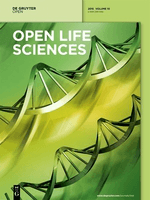
Open Life Sciences
Connecting Researchers to a World of DiscoveryOpen Life Sciences is a distinguished open-access journal published by DE GRUYTER POLAND SP Z O O, dedicated to advancing research across diverse disciplines in the life sciences. Since its inception in 2014 and transitioning to open access in 2015, the journal has become a pivotal platform for researchers, fostering the dissemination of high-quality scientific work while ensuring that valuable findings are freely accessible to the global community. With an impressive categorization into Q2 in Agricultural and Biological Sciences and Q3 in several other fields including Biochemistry and Immunology as of 2023, Open Life Sciences promotes innovation and knowledge sharing across its broad spectrum of topics. The journal's commitment to excellence is reflected in its competitive Scopus rankings, making it an essential resource for professionals and students alike who are keen to stay at the forefront of life sciences research.
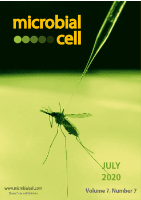
Microbial Cell
Unveiling the secrets of microbial interactions.Microbial Cell is a distinguished open-access journal published by SHARED SCIENCE PUBLISHERS OG, focusing on the dynamic fields of microbiology, biochemistry, and molecular biology. Since its establishment in 2014, Microbial Cell has been at the forefront of disseminating cutting-edge research essential for advancing our understanding of microbial functions and interactions. With a commendable impact factor and ranking in the top quartiles (Q1 and Q2) across several categories, including Applied Microbiology and Biotechnology and Parasitology, this journal serves as an invaluable resource for researchers, professionals, and students alike. It features a comprehensive scope that encompasses the latest findings in genetics, cell biology, and virology, facilitating the academic community's access to high-quality peer-reviewed work. Microbial Cell not only contributes to advancing microbial sciences but also fosters an inclusive platform for knowledge sharing and collaboration in the scientific community.

Life Science Alliance
Championing Excellence in Open Access Publishing.Life Science Alliance, published by LIFE SCIENCE ALLIANCE LLC, is a premier open access journal that has been making significant contributions to the fields of Biochemistry, Genetics and Molecular Biology, Ecology, Health, Toxicology and Mutagenesis, and Plant Science since its inception in 2018. With an impressive ranking in Scopus, including Q1 quartile positions and high percentiles in relevant categories, this journal is a vital resource for researchers, professionals, and students alike who seek to advance knowledge and innovation in life sciences. The journal operates on an open access model, ensuring that research findings are freely available to the global scientific community, thereby enhancing the visibility and impact of published work. With a commitment to fostering collaboration and disseminating high-quality research, Life Science Alliance serves as an essential platform for the promotion and exchange of scientific knowledge, aiming to bridge gaps and stimulate discussions across multiple disciplines.
FASEB BioAdvances
Elevating Understanding of Biological Processes GloballyFASEB BioAdvances, published by WILEY, is an esteemed open-access journal dedicated to advancing the fields of biochemistry, molecular biology, and physiology. Since its inception in 2019, the journal has rapidly established a significant presence within the academic community, boasting an impressive impact factor reflective of its Q2 and Q3 standings across various categories, including Biochemistry, Genetics and Molecular Biology, Cancer Research, Molecular Medicine, and Physiology. The journal aims to disseminate high-quality research and innovative findings to enhance the understanding of biological processes, making it a vital resource for researchers, professionals, and students alike. With its commitment to open access, FASEB BioAdvances ensures that groundbreaking research is available to a global audience, facilitating collaboration and exploration in these rapidly evolving scientific domains.
JOURNAL OF BIOSCIENCES
Navigating the Landscape of Biosciences Since 1979JOURNAL OF BIOSCIENCES, published by the Indian Academy of Sciences, has established itself as a pioneering platform in the fields of biosciences, encompassing diverse research areas such as agricultural and biological sciences, biochemistry, genetics, molecular biology, and medicine. With an impressive trajectory since its inception in 1979, the journal has achieved notable recognition, securing a Q1 ranking in Agricultural and Biological Sciences and maintaining its place in the top quartiles for Biochemistry and Medicine as of 2023. With Scopus rankings placing it at #32 in General Agricultural and Biological Sciences and #65 in General Biochemistry, Genetics, and Molecular Biology, the journal reaches the 85th and 70th percentiles respectively, reflecting its impact and relevance in current scientific discourse. Although it does not offer open access, the JOURNAL OF BIOSCIENCES remains crucial for researchers, professionals, and students dedicated to advancing knowledge and innovation within the biosciences, providing a vibrant forum for high-quality research and comprehensive reviews.

PERIODICUM BIOLOGORUM
Connecting Ideas Across Biological FrontiersPERIODICUM BIOLOGORUM is a well-established interdisciplinary journal published in Croatia that focuses on advancing the fields of agricultural and biological sciences, biochemistry, genetics, and molecular biology, along with general medicine. With its roots dating back to 1980, the journal has been an essential platform for the dissemination of original research, reviews, and theoretical studies, fostering collaboration and dialogue among researchers within these diverse areas. While currently holding a Q4 quartile ranking in several categories, including agricultural and biological sciences, biochemistry, and general medicine, it provides a significant opportunity for authors seeking to contribute to the body of knowledge in these sectors. Although Open Access options are not available, the journal's rich history and commitment to quality scholarship make it a valuable resource for professionals, researchers, and students alike, aiming to stay informed about current trends and advancements in biological research and its applications.
JOURNAL OF BIOLOGICAL CHEMISTRY
Unveiling Molecular Mysteries, One Study at a TimeJOURNAL OF BIOLOGICAL CHEMISTRY, published by Elsevier, is a premier interdisciplinary journal dedicated to advancing our understanding of biochemistry, cell biology, and molecular biology. With a prestigious history dating back to 1945 and an impressive convergence of research expected to continue through 2024, this journal holds a Q1 ranking in all three of its core categories, signaling its critical influence in the respective fields, supported by a robust Scopus ranking that places it among the top echelons of internationally recognized research. Although currently not available as Open Access, the journal is essential for researchers and professionals looking to stay abreast of the latest breakthroughs and innovations in biochemical research. With a deep commitment to scientific rigor and a focus on diverse topics ranging from cellular processes to molecular mechanisms, the Journal of Biological Chemistry serves as a vital resource for the academic community, shaping the future of biological sciences.
BMC Biology, a prominent open access journal published by BMC since 2003, offers a dynamic platform for the dissemination of research in the fields of biology, biochemistry, and biotechnology. Based in the United Kingdom, this journal showcases high-impact studies that cover a broad range of topics including cell biology, developmental biology, ecology, and structural biology, reflecting its commitment to advancing knowledge in the life sciences. With an impressive record of Q1 rankings across multiple categories in 2023, including Agricultural and Biological Sciences and Biochemistry, Genetics and Molecular Biology, BMC Biology stands out as a leader in these disciplines. Researchers will find a robust forum for innovative and high-quality research due to its substantial Scopus rankings, which place it within the top 10% of its field. The journal's open access policy facilitates widespread dissemination, ensuring that critical biological research is accessible to a diverse global audience. Whether you are a researcher, student, or professional in the biological sciences, BMC Biology is essential for staying informed about the latest advancements and developments in this ever-evolving field.
Open Biology
Exploring the depths of life sciences with global insights.Open Biology is a prestigious, interdisciplinary journal published by the Royal Society that has been paving the way in the fields of Biochemistry, Genetics and Molecular Biology, Immunology, and Neuroscience since its inception in 2011. Catering to a global audience of researchers, professionals, and students, Open Biology operates under an open access model, facilitating the unrestricted dissemination of high-quality research findings. With a current impact factor that positions its categories in the top quartile (Q1) and impressive Scopus rankings—evidencing its influence and reach—this journal serves as a vital platform for innovators and scientific inquiries aimed at advancing our understanding of life sciences. The journal's commitment to publishing cutting-edge research makes it an essential resource for those at the forefront of scientific exploration.
NPJ Microgravity
Bridging Science and Society through Microgravity InsightsNPJ Microgravity, published by NATURE PORTFOLIO, is a premier open-access journal dedicated to advancing research in microgravity environments, complementing extensive studies in fields as diverse as Agricultural and Biological Sciences, Biochemistry, Materials Science, Medicine, Physics, and Space and Planetary Science. Since its inception in 2015, the journal has rapidly established itself as an influential platform for disseminating cutting-edge research, evidenced by its Q1 quartile rankings across multiple disciplines and impressive Scopus rankings, including a top 10 placement in Physics and Astronomy. Based in the United Kingdom with an address of HEIDELBERGER PLATZ 3, BERLIN 14197, GERMANY, NPJ Microgravity not only champions innovative studies but also promotes collaborations that can translate scientific knowledge into tangible benefits for society. As an open-access journal, it offers unparalleled accessibility to high-quality research, making it an essential resource for researchers, professionals, and students with a keen interest in the applications and implications of microgravity research.