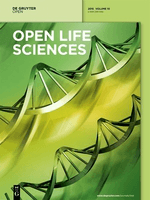
Open Life Sciences
metrics 2024
Advancing Life Sciences Through Open Access
Introduction
Open Life Sciences is a distinguished open-access journal published by DE GRUYTER POLAND SP Z O O, dedicated to advancing research across diverse disciplines in the life sciences. Since its inception in 2014 and transitioning to open access in 2015, the journal has become a pivotal platform for researchers, fostering the dissemination of high-quality scientific work while ensuring that valuable findings are freely accessible to the global community. With an impressive categorization into Q2 in Agricultural and Biological Sciences and Q3 in several other fields including Biochemistry and Immunology as of 2023, Open Life Sciences promotes innovation and knowledge sharing across its broad spectrum of topics. The journal's commitment to excellence is reflected in its competitive Scopus rankings, making it an essential resource for professionals and students alike who are keen to stay at the forefront of life sciences research.
Metrics 2024
 0.391.701.9044
Metrics History
Rank 2024
Scopus
IF (Web Of Science)
JCI (Web Of Science)
Quartile History
Similar Journals
BIOLOGY BULLETIN
Advancing Biological Insights for a Sustainable Future.BIOLOGY BULLETIN is a prominent academic journal published by PLEIADES PUBLISHING INC, dedicated to advancing the fields of Agricultural and Biological Sciences as well as Biochemistry, Genetics, and Molecular Biology. With an ISSN of 1062-3590 and E-ISSN of 1608-3059, the journal has been a vital resource for researchers and professionals since its commencement in 1996. Located in the United States, BIOLOGY BULLETIN operates within a highly competitive academic landscape, achieving a 2023 ranking in the Q3 quartile for Agricultural and Biological Sciences and Q4 for Biochemistry, Genetics, and Molecular Biology, highlighting its commitment to delivering impactful research despite its challenges. Researchers seeking to publish their findings will find a platform for significant insights, as reflected in its Scopus rankings, where it stands at #183 and #199 out of 221 in its respective categories, showcasing opportunities for growth and visibility. While currently not an open-access publication, BIOLOGY BULLETIN plays a crucial role in facilitating scholarly communication and fostering an understanding of biological sciences, making it an essential read for academics, professionals, and students alike.

Applied Biological Research
Advancing the Frontiers of Biological ScienceApplied Biological Research is a dynamic journal issued by the CENTRE ADVANCEMENT APPLIED SCIENCES, specializing in the interdisciplinary fields of biochemistry, genetics, and molecular biology. With its ISSN 0972-0979 and E-ISSN 0974-4517, this journal serves as a critical platform for the dissemination of peer-reviewed research that addresses pressing challenges and innovations within biological sciences. Although currently it does not adopt an Open Access model, it is dedicated to fostering academic discourse through rigorous publication practices. The journal's impact is underscored by its Scopus rankings, which place it in the 4th and 2nd percentiles in respective categories, emphasizing its emerging influence in the scientific community. Covering research from 2020 to 2024, Applied Biological Research is positioned as an essential read for researchers, professionals, and students seeking to stay at the forefront of biological research and application. Based in the beautiful region of Jammu & Kashmir, India, this journal is committed to advancing applied sciences through innovative research and outreach.
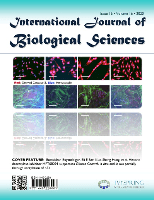
International Journal of Biological Sciences
Exploring the Depths of Biological KnowledgeInternational Journal of Biological Sciences (ISSN: 1449-2288, E-ISSN: 1449-2288) is a premier open-access journal published by IVYSPRING INTERNATIONAL PUBLISHING since 2005, located in Australia. With a commitment to advancing knowledge in the life sciences, this journal covers a wide spectrum of disciplines, including Applied Microbiology and Biotechnology, Cell Biology, Developmental Biology, Ecology, Evolution, Behavior and Systematics, and Molecular Biology, earning a distinguished Q1 ranking in these fields as of 2023. It stands out with exceptional Scopus rankings, placing in the top ranks across multiple categories, such as the 98th percentile in Ecology, Evolution, Behavior and Systematics and the 94th percentile in Applied Microbiology and Biotechnology. The journal fosters an open access philosophy, ensuring that research findings are readily available to the scientific community and the public, and invites original research articles, reviews, and commentaries. With its mission to disseminate high-quality research, the International Journal of Biological Sciences serves as an essential resource for researchers, professionals, and students seeking to deepen their understanding and drive innovation in biological sciences.
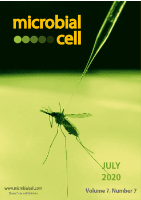
Microbial Cell
Unveiling the secrets of microbial interactions.Microbial Cell is a distinguished open-access journal published by SHARED SCIENCE PUBLISHERS OG, focusing on the dynamic fields of microbiology, biochemistry, and molecular biology. Since its establishment in 2014, Microbial Cell has been at the forefront of disseminating cutting-edge research essential for advancing our understanding of microbial functions and interactions. With a commendable impact factor and ranking in the top quartiles (Q1 and Q2) across several categories, including Applied Microbiology and Biotechnology and Parasitology, this journal serves as an invaluable resource for researchers, professionals, and students alike. It features a comprehensive scope that encompasses the latest findings in genetics, cell biology, and virology, facilitating the academic community's access to high-quality peer-reviewed work. Microbial Cell not only contributes to advancing microbial sciences but also fosters an inclusive platform for knowledge sharing and collaboration in the scientific community.

Frontiers in Bioscience-Landmark
Shaping the Future of Bioscience ScholarshipFrontiers in Bioscience-Landmark is a prestigious journal published by IMR PRESS that focuses on a diverse array of topics within the fields of biochemistry, genetics, molecular biology, immunology, and microbiology. With the ISSN 2768-6701 and E-ISSN 2768-6698, this journal has carved a significant niche since its inception in 1996, making its mark in contributions to the scientific community all the way through to 2024. Having achieved a respectable Q2 cohort rank in multiple categories, including biochemistry and immunology, it stands out for its impactful research, evidenced by its current Scopus rankings which highlight it as a vital resource for ongoing studies and advancements in the biosciences. Despite not being open access, the journal ensures that readers have access to high-quality research articles that are peer-reviewed and designed to foster academic discourse. The importance of Frontiers in Bioscience-Landmark lies in its commitment to disseminating innovative findings that can significantly enhance our understanding of biological sciences, making it an essential read for researchers, professionals, and students alike.
TRENDS IN PLANT SCIENCE
Unlocking New Perspectives in Plant ResearchTRENDS IN PLANT SCIENCE is a premier academic journal published by CELL PRESS, dedicated to advancing the field of plant sciences. With an ISSN of 1360-1385 and E-ISSN 1878-4372, this journal has established itself as a critical resource for researchers and practitioners alike, boasting a remarkable impact factor that places it in the Q1 quartile for plant science in the 2023 rankings. Featuring a comprehensive scope that encompasses emerging trends, innovative research, and pivotal reviews in the plant sciences, it aims to promote interdisciplinary dialogue and encourage progressive research methodologies. Hailing from the United Kingdom, TRENDS IN PLANT SCIENCE serves a global community of over 516 journals, achieving a top-tier ranking of 3rd in the Scopus ranking for Agricultural and Biological Sciences. This makes the journal an indispensable asset for anyone aiming to keep abreast of the latest developments in plant biology and its applications. As we look towards its future converging years from 1996 to 2024, the journal continues to foster scholarly excellence and innovation in the field.
DNA AND CELL BIOLOGY
Exploring the Frontiers of Molecular DiscoveryDNA AND CELL BIOLOGY, published by Mary Ann Liebert, Inc, is a distinguished journal in the realms of cell biology, genetics, and molecular biology, holding a notable position in its Q3 and Q2 quartile rankings across multiple academic categories as of 2023. With an ISSN of 1044-5498 and an E-ISSN of 1557-7430, this journal has been a pivotal platform for the dissemination of cutting-edge research since its inception in 1990, extending its coverage through 2024. Situated in the United States, the journal offers high-quality peer-reviewed articles, exploring significant advancements in biological sciences while fostering interdisciplinary collaborations within the research community. Though it currently does not offer open access, subscribed institutions and individual readers benefit from its rich repository of knowledge. The journal's rigorous standards and impactful content make it an essential resource for researchers, professionals, and students alike, aiming to stay at the forefront of discoveries influencing DNA and cellular dynamics.

Communications Biology
Advancing the Frontiers of Biological KnowledgeCommunications Biology, published by NATURE PORTFOLIO, is a premier open-access journal that has been at the forefront of biological sciences since its inception in 2018. With a remarkable impact factor and a strong reputation in the field, it has achieved prestigious Q1 rankings in Agricultural and Biological Sciences, Biochemistry, Genetics and Molecular Biology, and Medicine, highlighting its significance in disseminating cutting-edge research. The journal is renowned for its focus on innovative, interdisciplinary biological studies, making it an essential platform for researchers, professionals, and students alike, eager to contribute to and engage with the latest discoveries. With its commitment to accessibility, all articles published are openly available to the global research community, furthering the collaboration and advancement of knowledge in the biological sciences. For more information, access options, and submission guidelines, please visit the journal's website.

TURKISH JOURNAL OF BIOLOGY
Connecting Minds, Cultivating Knowledge in BiologyTURKISH JOURNAL OF BIOLOGY, published by the Tubitak Scientific & Technological Research Council Turkey, is an esteemed peer-reviewed periodical that serves as a pivotal platform for advancing the fields of Agricultural and Biological Sciences. With a strong focus on innovative research across various biological domains, including Cell Biology, Genetics, and Microbiology, this journal not only fulfills the academic community's quest for high-quality research but also fosters collaboration and knowledge sharing among researchers. The journal's notable impact factors reflect its commitment to excellence, with its latest rankings placing it in Q2 in Agricultural and Biological Sciences (miscellaneous) and in Q4 for several other categories. By offering open access to its content, TURKISH JOURNAL OF BIOLOGY ensures that valuable biological insights are readily available to the global academic community. Its convergence from 2006 to 2024 signifies its longstanding influence in the biosciences, making it an essential resource for researchers, professionals, and students alike aiming to stay at the forefront of biological research and innovation.

INDIAN JOURNAL OF EXPERIMENTAL BIOLOGY
Illuminating Pathways in Experimental ResearchINDIAN JOURNAL OF EXPERIMENTAL BIOLOGY, published by the NATL INST SCIENCE COMMUNICATION-NISCAIR, stands as a significant platform for the dissemination of original research in the fields of biochemistry, genetics, and molecular biology, particularly within the context of Indian scientific advancements. With its ISSN 0019-5189 and E-ISSN 0975-1009, the journal has been an essential resource since its inception in 1965, although coverage in prominent databases like Scopus was discontinued in 2018. The journal ranks in the 57th percentile for Biotechnology, as well as in the 27th and 25th percentiles for Molecular Biology and Cell Biology respectively, underscoring its impact and relevance. While currently not an Open Access journal, it continues to provide valuable insights and contributions from researchers and professionals in the growing field of experimental biology. The esteemed contributions published in this journal enhance our understanding of biological processes and foster the development of innovative solutions to contemporary challenges in health and environmental science.