
American Journal of Biological Anthropology
metrics 2024
Pioneering Research in Biological Anthropology
Introduction
The American Journal of Biological Anthropology, published by WILEY, is a premier journal in the field of biological anthropology, boasting critical insights into human biological diversity, evolution, and adaptation. With its ISSN 2692-7691, this journal has established itself firmly within the research community, achieving a Q1 ranking in key disciplines such as Anatomy, Anthropology, Archeology, and Paleontology as of 2023. This indicates its significant impact, with Scopus rankings placing it in the top tiers across diverse fields, including a stellar rank of 13th out of 113 in Paleontology. Offering open access possibilities, the journal facilitates wider dissemination of groundbreaking research and is committed to advancing knowledge that intersects genetics, epidemiology, and anthropology. Based in the United States, the journal continually fosters an international dialogue among researchers, professionals, and students eager to explore the complexities of human biology through a robust and interdisciplinary lens.
Metrics 2024
 0.801.701.70138
Metrics History
Rank 2024
Scopus
IF (Web Of Science)
JCI (Web Of Science)
Quartile History
Similar Journals

Annual Review of Anthropology
Synthesizing Ideas Across Social SciencesAnnual Review of Anthropology is a premier journal published by Annual Reviews, dedicated to providing comprehensive and authoritative reviews in the field of anthropology. Established with the goal of synthesizing essential research findings, this influential publication not only shapes contemporary anthropological discourse but also facilitates interdisciplinary dialogue within the broader realm of social sciences and cultural studies. With an impressive impact factor that places it in the Q1 category across multiple classifications, including Anthropology and Arts and Humanities, this journal is highly regarded by researchers and academics alike. The Annual Review of Anthropology has been a trusted resource for critical insights and transformative ideas, helping to advance the understanding of human societies from 1980 to the present. Although it does not offer open access, access to its articles is available through various academic institutions, ensuring that both seasoned scholars and students can benefit from its wealth of knowledge. With a Scopus ranking placing it in the top percentiles for relevant subjects, this journal is essential reading for anyone looking to stay at the forefront of anthropological research.

Anthropological Notebooks
Advancing Anthropological Research from Slovenia and BeyondAnthropological Notebooks, published by the SLOVENE ANTHROPOLOGICAL SOC, is a noteworthy journal within the field of anthropology. Established in Slovenia, this journal aims to provide a platform for scholarly dialogue and dissemination of anthropological research, fostering interdisciplinary approaches and global perspectives. Although it currently holds a Q4 quartile ranking in anthropology and ranks #421 out of 502 in Scopus, it serves as an essential conduit for emerging voices and innovative ideas in the discipline. Covering research published from 2010 to 2019 and from 2021 to 2024, the journal invites contributions that explore diverse cultural narratives and anthropological insights. Despite its limited open access options, Anthropological Notebooks remains a crucial resource for researchers, professionals, and students seeking to engage with contemporary anthropological discourse and enrich their understanding of human societies.

Anthropologie-International Journal of Human Diversity and Evolution
Unraveling the Threads of Human EvolutionAnthropologie-International Journal of Human Diversity and Evolution is a prominent peer-reviewed journal published by the esteemed MORAVIAN MUSEUM in the heart of the Czech Republic. With a focus on anthropology, this journal serves as a vital platform for the dissemination of innovative research that explores human diversity and evolutionary studies. The journal operates under a rigorous academic framework and is categorized in the Q3 quartile for anthropology in 2023, reflecting its significance in the field. Although it does not currently offer open access options, Anthropologie facilitates the exchange of knowledge through its carefully curated articles spanning diverse topics within human evolution. Its Scopus ranking (320 out of 502 in social sciences) underscores its role as a relevant source for scholars and professionals alike, fostering dialogue and advancements in understanding human diversity. Researchers, students, and practitioners can look forward to engaging content that not only enlightens but also inspires further inquiry into anthropological studies.
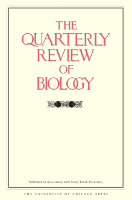
QUARTERLY REVIEW OF BIOLOGY
Unveiling Insights in the Biological SciencesQUARTERLY REVIEW OF BIOLOGY, published by University of Chicago Press, stands as a premier journal dedicated to the dissemination of high-quality research and review articles in the field of biological sciences. With an impressive impact factor and an esteemed ranking of Q1 in the Agricultural and Biological Sciences category, the journal is a vital resource for researchers, professionals, and students aiming to stay at the forefront of biological research and developments. Since its inception in 1945, the journal has evolved to cover a broad scope of topics, fostering interdisciplinary dialogue and providing critical insights that promote scientific advancement. Although currently not an open access journal, its reputation is underscored by a remarkable standing in the 95th percentile across Scopus rankings within its field. Located in Chicago, Illinois, this journal continues to be a cornerstone for scholarly communication in biology, making valuable contributions to both academia and practical applications in the biological sciences.
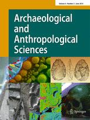
Archaeological and Anthropological Sciences
Innovative Research, Timeless DiscoveriesArchaeological and Anthropological Sciences is an esteemed peer-reviewed journal published by Springer Heidelberg, specializing in the interdisciplinary fields of archaeology and anthropology. Since its inception in 2009, this journal has established itself as a pivotal resource for researchers and professionals, featuring cutting-edge studies that bridge the gap between the sciences and humanities. With its impressive 2023 Q1 rankings in Anthropology and Archaeology categories, the journal stands out in the Scopus landscape, ranking within the top 5% of its field—Rank #18/413 in Archaeology (Arts and Humanities) and Rank #28/502 in Anthropology. This is complemented by its commitment to disseminating high-quality research to a global audience, despite being a non-Open Access publication. The journal's scope encompasses innovative methodologies, archaeological findings, and anthropological insights that are vital for advancing knowledge and fostering academic discourse. As it moves toward its upcoming converged years, Archaeological and Anthropological Sciences continues to solidify its reputation as a key forum for scholarly exchange in these fields.
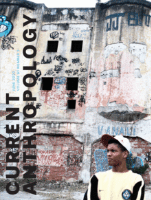
CURRENT ANTHROPOLOGY
Elevating Knowledge in Anthropology Since 1962CURRENT ANTHROPOLOGY, published by the esteemed University of Chicago Press, stands as a premier journal in the fields of anthropology and archaeology, with an impressive impact factor that signifies its relevance and authority in the academic community. With both print (ISSN: 0011-3204) and digital formats (E-ISSN: 1537-5382), this journal provides a platform for groundbreaking research, theoretical advancements, and critical discussions that shape our understanding of human cultures and societies. Since its inception in 1962, CURRENT ANTHROPOLOGY has continually pushed the boundaries of knowledge and inquiry, earning a prestigious Q1 ranking in 2023 across multiple categories, including Social Sciences and Archaeology. Researchers and professionals alike rely on this journal not only for its rigorous peer-reviewed articles but also for its commitment to interdisciplinary approaches and innovative methodologies. While not currently offering open access, CURRENT ANTHROPOLOGY remains an essential resource for students and scholars eager to stay abreast of the latest developments in anthropological research.
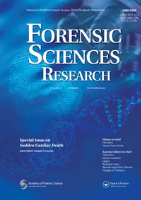
Forensic Sciences Research
Advancing the Frontiers of Forensic KnowledgeForensic Sciences Research is a distinguished open-access journal published by Oxford University Press, dedicated to the interdisciplinary field of forensic sciences. Since its inception in 2016, the journal has rapidly established itself as a vital resource for researchers, professionals, and students in areas including analytical chemistry, anthropology, biochemistry, genetic studies, and various branches of forensic medicine. With an impressive range of impact factor metrics across multiple categories—including Q1 rankings in Anthropology for 2023—this journal provides unparalleled access to high-quality research while facilitating the dissemination of innovative ideas and methodologies in forensic science. Researchers benefit from the journal's extensive Scopus ranking, which showcases its influential position within the academic community. The open-access model allows global accessibility, ensuring that vital forensic research reaches a diverse audience and contributes to advancements in public safety and legal processes. For those engaged in the practical realities of forensic investigation or the theoretical underpinnings of the field, Forensic Sciences Research is an indispensable journal that continues to advance knowledge and foster collaboration within the forensic community.
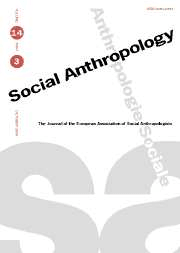
Social Anthropology
Exploring the Tapestry of Human CulturesSocial Anthropology is a leading journal published by BERGHAHN JOURNALS, focusing on the diverse and dynamic field of anthropology. With an ISSN of 0964-0282 and an E-ISSN of 1469-8676, this open-access journal has been a cornerstone of scholarly communication since its inception in 1982, becoming fully accessible to the public since 2022. Situated in the United States, the journal aims to disseminate high-quality research that explores sociocultural dimensions of human behavior across various contexts, addressing pressing contemporary issues through a multidisciplinary lens. With impressive rankings, including Q2 in Anthropology and Arts and Humanities, and strong positions in Sociology and Developmental Psychology according to Scopus metrics, Social Anthropology serves as an essential platform for researchers, professionals, and students committed to advancing our understanding of social practices and cultural norms. Its commitment to fostering intellectual discourse makes it a vital resource for those seeking to deepen their knowledge and insight into the anthropological landscape.
Cambridge Journal of Anthropology
Advancing anthropological insights for a global audience.Cambridge Journal of Anthropology is a prestigious and internationally recognized journal published by BERGHAHN JOURNALS, dedicated to advancing the field of anthropology. The journal, with ISSN 0305-7674 and E-ISSN 2047-7716, has embraced an Open Access model since 2020, ensuring that groundbreaking anthropological research is easily accessible to scholars, practitioners, and students worldwide. With a commitment to enriching the academic discourse in anthropology, the journal welcomes high-quality articles that contribute to both theoretical and applied aspects of the discipline. The Cambridge Journal of Anthropology serves as a vital resource for researchers eager to explore contemporary anthropological issues, fostering an inclusive dialogue on cultural diversity, social structures, and human experiences. As scholars increasingly turn to open platforms for disseminating their work, this journal stands out as a leading venue for innovative research that shapes the future of anthropology.
ANTHROPOLOGICAL SCIENCE
Exploring the diverse tapestry of human cultures and behaviors.ANTHROPOLOGICAL SCIENCE is a prominent journal in the field of anthropology, published by the Anthropological Society of Nippon since 1993. With a rich pedigree of scholarly contributions, this journal is an essential platform for disseminating research findings and theoretical discussions that push the boundaries of anthropological knowledge. Currently ranked in the Q3 category in Anthropology by 2023 metrics, ANTHROPOLOGICAL SCIENCE boasts an impressive position at #163 out of 502 in Scopus, placing it in the 67th percentile among its peers. While it operates under a traditional access model, the journal supports a diverse range of anthropological research encompassing cultural, biological, and archaeological perspectives. Researchers, professionals, and students will find valuable insights and innovative methodologies that foster a richer understanding of human societies and behaviors. The current trends and findings published in this journal make it a crucial resource for those involved in anthropological studies or related fields.