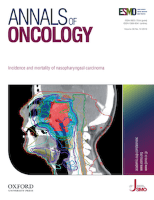
ANNALS OF ONCOLOGY
Scope & Guideline
Innovating therapies for a brighter tomorrow.
Introduction
Aims and Scopes
- Clinical Trials and Treatment Outcomes:
The journal extensively covers clinical trials that evaluate the efficacy and safety of new therapies, including immunotherapy, targeted therapy, and chemotherapy, across diverse cancer types. - Precision Oncology:
A significant focus on personalized medicine is evident, with studies exploring genetic profiling, biomarker identification, and the application of next-generation sequencing in tailoring treatment strategies. - Multidisciplinary Approaches:
Emphasizing the importance of collaborative care, the journal highlights research that involves multidisciplinary teams in the management of cancer, integrating inputs from medical oncologists, surgeons, radiologists, and supportive care providers. - Quality of Life and Patient-Centered Care:
Research articles often address the quality of life for cancer patients, exploring the psychosocial aspects of cancer treatment and the impact of various therapies on patient well-being. - Emerging Therapies and Technologies:
The journal features studies on innovative treatment modalities, including the use of artificial intelligence in oncology, novel drug delivery systems, and emerging immunotherapeutic strategies.
Trending and Emerging
- Immunotherapy and Combination Treatments:
There is a significant increase in research focusing on immunotherapeutic agents, particularly in combination with traditional therapies, highlighting the potential for enhanced efficacy in cancer treatment. - Biomarker Development and Liquid Biopsy:
Emerging studies are increasingly focusing on the development of biomarkers and liquid biopsy techniques for early cancer detection, monitoring treatment response, and predicting outcomes. - Artificial Intelligence and Machine Learning Applications:
The integration of AI and machine learning into oncology research is gaining momentum, with studies exploring their applications in diagnostics, treatment planning, and predicting patient outcomes. - Health Disparities and Global Oncology:
Research addressing health disparities in cancer care, particularly in low- and middle-income countries, is becoming more prevalent, emphasizing the need for equitable access to treatment. - Patient-Reported Outcomes and Quality of Life Assessments:
An increasing number of studies are focusing on patient-reported outcomes, emphasizing the importance of incorporating patient perspectives into treatment effectiveness evaluations.
Declining or Waning
- Traditional Chemotherapy Approaches:
There is a noticeable decline in publications focusing solely on traditional chemotherapy regimens, as the field increasingly emphasizes personalized and targeted therapies. - Basic Science Research:
Research that does not directly translate into clinical applications is becoming less prominent, with a stronger emphasis on studies that provide immediate clinical relevance. - Single-Modal Treatment Studies:
The journal has seen a reduction in studies that investigate single-modality treatments, as the trend shifts towards combination therapies that integrate multiple treatment modalities for better efficacy. - Palliative Care Research:
Though still relevant, the volume of publications specifically dedicated to palliative care strategies has decreased, possibly due to a growing focus on curative and life-extending treatments. - Elderly Cancer Patient Studies:
Research specifically targeting elderly cancer populations has seen a decline, as more studies focus on broader demographic groups and the general applicability of treatment strategies.
Similar Journals

Turk Onkoloji Dergisi-Turkish Journal of Oncology
Elevating oncology knowledge for a healthier tomorrow.Turk Onkoloji Dergisi - Turkish Journal of Oncology, published by KARE PUBL, serves as a vital platform in the field of oncology, specifically catering to the Turkish-speaking research community and contributing to global discourse. With an ISSN of 1300-7467, this journal, which has been in circulation since 2007 and continues until 2024, recognizes the importance of advancing medical knowledge in cancer research through rigorous peer-reviewed articles. Although currently positioned in the Q4 category of oncology journals with a Scopus rank of #344 out of 404, the journal is dedicated to fostering significant research insights and innovative perspectives on cancer treatment and prevention. While it does not currently offer open access, its content is essential for professionals, researchers, and students aiming to enhance their understanding of oncology developments in Turkey and beyond. The Turkish Journal of Oncology not only aspires to improve the quality of cancer care but also strives to enhance collaboration among researchers, thereby influencing future oncology practices.
Surgical Oncology Clinics of North America
Innovative Insights for Surgical ExcellenceSurgical Oncology Clinics of North America, published by W B Saunders Co-Elsevier Inc, is a leading journal in the fields of surgical oncology and surgery, captivating readers since its inception in 1995. With ISSN 1055-3207 and E-ISSN 1558-5042, this esteemed journal offers a comprehensive platform for the dissemination of cutting-edge research, clinical studies, and expert reviews pertaining to surgical techniques and oncological advancements. The journal currently holds a commendable Q3 ranking in Oncology and a Q2 ranking in Surgery, underpinned by its impressive Scopus rankings that place it in the top 25% of its category in Medicine, particularly in the surgical domain (Rank #137/551). Although it does not operate under an open-access model, the insights shared within its pages are invaluable for researchers, healthcare professionals, and students dedicated to enhancing patient outcomes in surgical oncology. With a commitment to advancing medical knowledge, Surgical Oncology Clinics of North America remains a crucial resource for those pursuing excellence in surgical practices and oncology treatment methodologies.

Cancer Medicine
Connecting global minds for impactful cancer research.Cancer Medicine is a leading open access journal published by WILEY, focusing on innovative research and advancements in the fields of Cancer Research, Oncology, and Radiology, with an impressive impact evidenced by its 2023 Q2 ranking in Cancer Research and Q1 rankings in both Oncology and Radiology, Nuclear Medicine and Imaging. With an ISSN of 2045-7634, this journal has been committed to disseminating pivotal findings since its inception in 2012, serving as a vital platform for researchers, practitioners, and students alike. The journal proudly embodies the spirit of open access, ensuring that groundbreaking cancer research is accessible to a global audience. Located in the United Kingdom, it spans a wide array of topics, promising comprehensive insights into cancer therapies, molecular mechanisms, and imaging techniques, thereby significantly contributing to the enhancement of cancer care and treatment outcomes. Researchers interested in exploring the latest advancements in cancer medicine will find this journal an indispensable resource.
MOLECULAR CANCER THERAPEUTICS
Transforming cancer care with cutting-edge research.MOLECULAR CANCER THERAPEUTICS, published by the American Association for Cancer Research, is a premier journal dedicated to advancing the field of cancer research and therapy since 2001. With a notable impact factor reflecting its high-quality content, this journal stands out in the Q1 category for both Cancer Research and Oncology as of 2023. Researchers, clinicians, and students interested in innovative treatment strategies and molecular mechanisms can find valuable insights within its pages, bolstered by a rigorous peer-review process and a global perspective on cancer therapeutic developments. Although the journal operates under a subscription model, it provides comprehensive access to cutting-edge studies and reviews that drive forward the understanding of cancer biology and treatment modalities. The journal's impressive Scopus rankings further validate its influence within both oncology and the broader cancer research community, making it an indispensable resource for anyone committed to combating cancer through science.
Current Urology
Exploring the Frontiers of Urology and Reproductive HealthCurrent Urology, published by Lippincott Williams & Wilkins, is a leading journal dedicated to advancing the fields of urology, oncology, and reproductive medicine. With an ISSN of 1661-7649 and E-ISSN of 1661-7657, this journal has established itself as a valuable resource for researchers, practitioners, and students alike, providing peer-reviewed articles that contribute to the ongoing discourse and development of these critical specialties. Operating out of the United States, Current Urology ranks in the third quartile for oncology, reproductive medicine, and urology, reflecting its importance in the medical community. The journal’s focus on innovative research and clinical practice allows it to bridge gaps between theoretical understanding and practical application, enhancing patient care and outcomes. Although currently not an open-access journal, it offers a wealth of insights and findings that underpin contemporary urological practices and research. In an evolving medical landscape, Current Urology remains an essential platform for disseminating knowledge and fostering collaboration among experts in the field.

Cancer Management and Research
Connecting researchers to redefine cancer care.Cancer Management and Research, published by DOVE MEDICAL PRESS LTD, is a leading open-access journal dedicated to advancing the field of oncology. Since its inception in 2009, this journal has established itself as a vital resource for researchers, clinicians, and healthcare professionals focused on cancer treatment and management. With its robust impact factor and impressive Scopus ranking in the 77th percentile of oncology medicine, it provides a prominent platform for sharing high-quality research. The journal covers a wide range of topics within cancer management, including innovative therapeutic strategies, clinical trials, patient care, and health policy, ensuring a comprehensive approach to current challenges in the field. Operating from New Zealand, it invites contributions that can shape the future of oncology and improve patient outcomes globally, making it an essential addition to the libraries of those engaged in cancer research and practice.
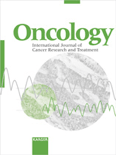
ONCOLOGY
Unveiling the latest discoveries in cancer science.ONCOLOGY is a prestigious journal published by KARGER, dedicated to advancing the field of cancer research and treatment. Established in 1948, this peer-reviewed journal has established a significant presence in the medical community, reflected by its impressive impact factor and Q2 category rankings in both Cancer Research and Oncology as of 2023. With a focus on groundbreaking research and comprehensive reviews, ONCOLOGY serves as a crucial resource for researchers, clinicians, and students interested in the latest developments in the fight against cancer. Although it currently does not offer open access, the journal's reputation ensures that it reaches a wide audience in academia and clinical practice. Its commitment to excellence is underscored by its consistent rankings in key disciplines, making it a vital publication for anyone involved in cancer research, biology, or associated medical fields. The journal is headquartered in Basel, Switzerland, positioning it at the heart of European medical research.

Translational Oncology
Bridging Research and Patient Care in OncologyTranslational Oncology is a premier open access journal published by Elsevier Science Inc, dedicated to the rapidly evolving field of cancer research and oncology. Since its inception in 2008, the journal has been a vital platform for the dissemination of innovative research and findings that bridge the gap between laboratory discoveries and clinical applications. With an impressive impact factor and ranked Q2 in Cancer Research and Q1 in Oncology, it occupies a prominent position in the academic landscape, helping to shape the future of cancer therapeutics and patient care. The journal offers valuable insights across a diverse array of topics, including molecular biology, genetic factors in cancer, and innovative treatment strategies, ensuring relevance and engagement for its readership. As it converges toward 2024, Translational Oncology continues to attract a global audience of researchers, healthcare professionals, and students committed to advancing our understanding of cancer and enhancing clinical outcomes.
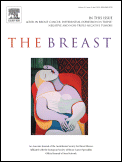
BREAST
Transforming breast cancer care through open access knowledge.BREAST is a leading peer-reviewed journal dedicated to advancing knowledge and practice in the fields of cancer research, oncology, and surgery, published by Churchill Livingstone. With an impressive impact factor and a prestigious Q1 ranking in multiple categories including Cancer Research, Medicine, and Surgery, the journal consistently delivers high-quality content that informs and inspires researchers, clinicians, and educators. Since its transition to Open Access in 2020, BREAST has significantly expanded its reach, providing immediate and unrestricted access to pivotal studies and findings in breast health and disease management. With a history dating back to 1992 and converging to 2024, the journal serves as an essential resource for the latest developments and innovative approaches in the clinical and biomedical aspects of breast care. Scholars and professionals alike can explore a wealth of research aimed at improving patient outcomes and fostering scientific dialogue in this vital area of healthcare.

Onkologie
Illuminating the Complex Landscape of Hematology and Oncology.Onkologie is a peer-reviewed academic journal published by SPRINGER HEIDELBERG, focusing on the evolving fields of Oncology and Hematology. Established as a significant platform for the dissemination of research in these crucial areas of medicine, Onkologie aims to provide insights into the latest advancements, therapeutic strategies, and clinical practices that shape patient care in oncology and hematology. Despite its current placement in the Q4 category for both disciplines, this journal aspires to foster scholarly dialogues and enhance its contributions to the scientific community. The journal is based in Germany and encourages submissions that promote a deeper understanding of oncology's complex landscape, ensuring that researchers, clinicians, and students have access to a wealth of knowledge essential for clinical practice and further research. With an ISSN of 2731-7226 and E-ISSN of 2731-7234, Onkologie is committed to maintain high standards in publication and peer review, driving innovation and discovery in the fields it represents.