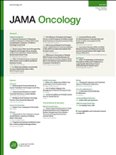
JAMA Oncology
Scope & Guideline
Uncovering the future of oncology through rigorous research.
Introduction
Aims and Scopes
- Clinical Trials and Treatment Innovations:
The journal emphasizes the publication of results from clinical trials, particularly those that introduce new therapies or treatment regimens, such as immunotherapy, targeted therapy, and combination therapies. - Health Disparities and Equity in Cancer Care:
There is a consistent focus on addressing disparities in cancer care, particularly regarding racial, ethnic, and socioeconomic factors that impact treatment access and outcomes. - Molecular and Biomarker Research:
Research on the molecular mechanisms of cancer and the identification of biomarkers for diagnosis, prognosis, and treatment selection is a core area of interest. - Patient-Centered Care and Quality of Life:
The journal also prioritizes studies that assess patient-reported outcomes, quality of life, and the psychosocial aspects of cancer treatment. - Integration of Technology in Oncology:
The integration of new technologies, such as artificial intelligence and telemedicine, into oncology practice is a growing focus, reflecting the changing landscape of healthcare.
Trending and Emerging
- Immunotherapy and Combination Treatments:
The exploration of immunotherapy, particularly in combination with other modalities, is a rapidly growing area, reflecting its critical role in modern oncology. - Health Equity and Access to Care:
Increasing attention to health equity highlights the need for research that addresses disparities in cancer care access, treatment, and outcomes among diverse populations. - Real-World Evidence and Patient-Centered Research:
The use of real-world evidence to inform treatment decisions and improve patient outcomes is becoming more prominent, as researchers seek to understand the effectiveness of therapies in routine clinical practice. - Telemedicine and Remote Patient Monitoring:
The integration of telemedicine and remote monitoring tools in cancer care has surged, particularly in response to the COVID-19 pandemic, highlighting a shift towards more accessible patient care. - Genomic and Precision Medicine Approaches:
There is an increasing emphasis on personalized medicine, particularly the use of genomic profiling to guide treatment decisions in oncology, reflecting advancements in technology and understanding of cancer biology.
Declining or Waning
- Traditional Chemotherapy Studies:
There has been a noticeable decrease in the publication of traditional chemotherapy studies, as newer treatment modalities like immunotherapy and targeted therapies gain prominence. - Single-Agent Therapy Reports:
The focus on single-agent therapies is waning, reflecting a broader trend towards combination therapies that enhance efficacy and reduce resistance. - Basic Science Research:
Basic science studies, particularly those that do not directly translate into clinical applications, are becoming less prevalent, as the journal prioritizes translational and clinical research. - General Population Studies:
There is a decline in studies solely focusing on cancer incidence or mortality in the general population, as the journal shifts towards more targeted research that addresses specific patient populations and treatment strategies.
Similar Journals
ONCOLOGY
Empowering breakthroughs in oncology and patient care.ONCOLOGY is a prestigious journal published by KARGER, dedicated to advancing the field of cancer research and treatment. Established in 1948, this peer-reviewed journal has established a significant presence in the medical community, reflected by its impressive impact factor and Q2 category rankings in both Cancer Research and Oncology as of 2023. With a focus on groundbreaking research and comprehensive reviews, ONCOLOGY serves as a crucial resource for researchers, clinicians, and students interested in the latest developments in the fight against cancer. Although it currently does not offer open access, the journal's reputation ensures that it reaches a wide audience in academia and clinical practice. Its commitment to excellence is underscored by its consistent rankings in key disciplines, making it a vital publication for anyone involved in cancer research, biology, or associated medical fields. The journal is headquartered in Basel, Switzerland, positioning it at the heart of European medical research.
CURRENT PROBLEMS IN CANCER
Empowering Solutions: Focusing on Today’s Cancer ChallengesCURRENT PROBLEMS IN CANCER is an esteemed journal published by MOSBY-ELSEVIER, dedicated to advancing the field of oncology and cancer research. With an ISSN of 0147-0272 and an E-ISSN of 1535-6345, it has been a vital resource for over four decades, converging years of expertise from 1976 to 2024. The journal is recognized for its impactful contribution to the field, currently holding a Q3 ranking in Cancer Research and a Q2 ranking in Oncology, reflecting its importance in disseminating significant advancements and discussions in the field. It is ranked #164 out of 404 in Medicine _ Oncology and #131 out of 230 in Biochemistry, Genetics and Molecular Biology _ Cancer Research on Scopus, indicating its relevance and reach among academic circles. Although it does not offer open access, the journal remains a crucial platform for researchers and professionals seeking to explore contemporary issues in cancer treatment and management. With its commitment to quality and innovation, CURRENT PROBLEMS IN CANCER serves as an essential conduit for knowledge sharing and research development in oncology and cancer science.
Targeted Oncology
Elevating the standards of oncology research.Targeted Oncology is a premier, peer-reviewed journal published by SPRINGER, focusing on the latest advancements in the field of oncology, specifically targeting the development and application of targeted therapies. Since its inception in 2006, this journal has become an essential resource for researchers, healthcare professionals, and students, providing critical insights into innovative cancer treatments and the pharmacological landscape. Recognized for its impactful contributions, Targeted Oncology holds a distinguished Q1 ranking in both Oncology and Pharmacology categories as of 2023, underscoring its influence and relevance in the scientific community. With an impressive Scopus ranking reflecting its strong citation impact, the journal not only disseminates high-quality research but also facilitates knowledge exchange among oncologists and researchers working towards improving patient outcomes. Although not an Open Access journal, Targeted Oncology is committed to advancing cancer research and therapeutic strategies, making it an invaluable addition to the libraries of any institution dedicated to health and wellness.
BREAST
Empowering oncology with innovative insights.BREAST is a leading peer-reviewed journal dedicated to advancing knowledge and practice in the fields of cancer research, oncology, and surgery, published by Churchill Livingstone. With an impressive impact factor and a prestigious Q1 ranking in multiple categories including Cancer Research, Medicine, and Surgery, the journal consistently delivers high-quality content that informs and inspires researchers, clinicians, and educators. Since its transition to Open Access in 2020, BREAST has significantly expanded its reach, providing immediate and unrestricted access to pivotal studies and findings in breast health and disease management. With a history dating back to 1992 and converging to 2024, the journal serves as an essential resource for the latest developments and innovative approaches in the clinical and biomedical aspects of breast care. Scholars and professionals alike can explore a wealth of research aimed at improving patient outcomes and fostering scientific dialogue in this vital area of healthcare.
ANNALS OF ONCOLOGY
Shaping the future of oncology through impactful research.ANNALS OF ONCOLOGY, published by Elsevier, stands as a premier journal in the field of oncology, hematology, and general medicine, with a notable impact factor that underscores its significance in advancing cancer research and clinical practice. Established in 1990, this journal has become a highly respected source of information, consistently ranked in the Q1 category in its respective fields, showcasing its influence and credibility (Rank #4/404 in Oncology and Rank #2/137 in Hematology as per Scopus rankings). With a focus on innovative therapies, clinical trials, and emerging research, ANNALS OF ONCOLOGY serves as an essential resource for researchers, clinicians, and students dedicated to unraveling the complexities of cancer treatment and care. Although offering restricted access options, its impactful studies and discoveries continue to shape the future of oncology.
Oncology Research and Treatment
Transforming oncology through collaboration and discovery.Oncology Research and Treatment, published by KARGER, is a highly regarded academic journal dedicated to advancing the field of oncology through rigorous research and clinical insights. With a history spanning from 1978 to 1997 and continuing from 2013 to 2024, this journal provides a vital platform for researchers and professionals in cancer research, hematology, and related disciplines. Though currently listed in the Q3 tier of 2023 for Cancer Research, Hematology, and Oncology, its growing readership and open access policy enhance its visibility and impact within the scientific community. Based in Switzerland, the journal features diverse access options, reflecting the global importance of oncology research. With a focus on innovative treatments and the latest methodologies, Oncology Research and Treatment plays a crucial role in fostering collaboration and dialogue among researchers, professionals, and students alike, helping to shape the future of cancer care and management.
International Journal of Clinical Oncology
Elevating Standards in Cancer Treatment and ResearchInternational Journal of Clinical Oncology, published by SPRINGER JAPAN KK, is a leading peer-reviewed journal dedicated to advancing research and clinical practices in the fields of oncology, hematology, and surgery. With its impact factor reflecting its significance and reach in the academic community, this journal serves as a solid platform for researchers, professionals, and students to share and disseminate groundbreaking discoveries and methodologies. Notably, it has secured prestigious rankings in the Q1 category in Medicine (miscellaneous) and Surgery, and Q2 in Hematology and Oncology, illustrating its prominent position in the medical literature. The journal's comprehensive scope addresses pivotal clinical issues from 1996 through 2024, further solidifying its relevance in the ever-evolving landscape of cancer research. Despite not offering open access, the depth and quality of research articles ensure that vital information remains accessible to those committed to improving clinical outcomes in oncology. With a focus on innovative treatments and patient care, the International Journal of Clinical Oncology embodies a commitment to fostering excellence in medical research.

CANCER
Exploring the depths of cancer science for better outcomes.CANCER, published by Wiley, stands as a pivotal journal in the field of oncology and cancer research, boasting an impressive impact factor and consistently dynamic growth since its inception in 1948. With an ISSN of 0008-543X and an E-ISSN of 1097-0142, this esteemed journal is recognized for its rigorous peer-reviewed articles, making significant contributions to the understanding of cancer biology, treatment modalities, and clinical practices. CANCER holds a distinguished position in the academic community, securing its placement in the Q1 category for both cancer research and oncology, and ranks within the top percentiles on Scopus, indicating its high impact and relevance. The journal is particularly beneficial for researchers, professionals, and students seeking to stay abreast of the latest advancements in cancer science. By addressing essential research questions and providing pathways for new therapies, CANCER continues to play a crucial role in shaping the future of oncology and improving patient outcomes.
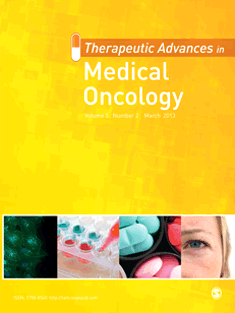
Therapeutic Advances in Medical Oncology
Transforming oncology with groundbreaking discoveries.Therapeutic Advances in Medical Oncology, an esteemed journal published by SAGE Publications Ltd, serves as a critical platform for disseminating high-quality research pertinent to the field of oncology. Indexed under the ISSN 1758-8340 and E-ISSN 1758-8359, this Open Access journal has made significant strides since its inception in 2009, attaining a commendable rank of #78 out of 404 in the Medicine - Oncology category of Scopus, placing it in the top 20th percentile of journals. With its category quartile of Q1 established in 2023, it underscores the journal’s commitment to advancing therapeutic approaches in oncology, making it an invaluable resource for researchers, clinicians, and students alike. Offering unrestricted access to pioneering studies since 2017, it aligns with the global movement towards open science, fostering collaboration and innovation among professionals striving to improve cancer treatment outcomes. By bridging the gap between research and clinical practice, Therapeutic Advances in Medical Oncology plays a vital role in shaping the future of cancer therapy.
CANCER INVESTIGATION
Transforming knowledge into breakthroughs in cancer care.CANCER INVESTIGATION is a distinguished peer-reviewed journal published by Taylor & Francis Inc, dedicated to the advancing field of cancer research and oncology. With an ISSN of 0735-7907 and E-ISSN of 1532-4192, this journal has been a pivotal resource for professionals and researchers since its inception in 1983, continually contributing to the evolving landscape of cancer investigation until its convergence in 2024. CANCER INVESTIGATION boasts noteworthy rankings in 2023, including Q3 in Cancer Research and Q2 in Medicine (miscellaneous), highlighting its relevance and impact in these critical areas. The journal's commitment to disseminating innovative research and comprehensive reviews makes it an essential platform for those engaged in cancer studies and related disciplines. While currently not available as an open-access publication, CANCER INVESTIGATION remains an invaluable tool for understanding the complexities of cancer, offering insights that drive scientific advancements and improve patient outcomes.