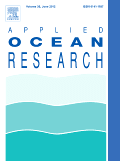
APPLIED OCEAN RESEARCH
metrics 2024
Navigating the Depths of Innovation in Ocean Engineering
Introduction
Applied Ocean Research, published by Elsevier Scientific Ltd, stands as a premier journal in the field of ocean engineering, with an impressive impact factor derived from its esteemed reputation and contributions to the discipline. Having been established in 1979, the journal has continually provided a platform for groundbreaking research, fostering innovation and advancement in applied ocean science through a diverse array of topics, including marine technology, coastal engineering, and ocean energy. Currently holding a prestigious Q1 ranking in the Scopus category of Ocean Engineering, with a rank of 10 out of 105 and a notable 90th percentile, Applied Ocean Research is a vital resource for researchers, professionals, and students dedicated to understanding and solving complex challenges linked to ocean environments. Although it provides subscription-based access, the depth and quality of research featured make it a key reference point for those in academia and industry alike. Located in the heart of London, this journal embodies a commitment to excellence in the study of ocean phenomena, positioning itself as a critical conduit for knowledge dissemination and professional growth in this dynamic field.
Metrics 2024
 1.184.304.1090
Metrics History
Rank 2024
Scopus
IF (Web Of Science)
JCI (Web Of Science)
Quartile History
Similar Journals
JOURNAL OF OCEANOGRAPHY
Exploring the Depths of Marine ScienceJOURNAL OF OCEANOGRAPHY, published by Springer, stands as a leading academic journal in the field, with an impressive Q1 ranking in Oceanography for 2023. Since its inception in 1992, this journal has dedicated itself to the dissemination of high-quality research that spans a diverse array of topics within oceanography and earth sciences. With an ISSN of 0916-8370 and an E-ISSN of 1573-868X, it plays a crucial role in bridging the gap between academia and practical marine applications. The journal is indexed in Scopus, ranking #57 out of 145 in its category, reflecting its rigorous academic standards and the impact of its published works, reaching a notable ile in the 61st percentile. Located in Japan, the JOURNAL OF OCEANOGRAPHY provides a vital platform for sharing significant research findings that contribute to our understanding of marine environments, aiming to foster interdisciplinary collaboration among researchers, professionals, and students dedicated to marine science.
OCEAN MODELLING
Shaping the Future of Ocean Systems Research.OCEAN MODELLING, published by Elsevier Science Ltd, is a leading journal dedicated to advancing the understanding of ocean systems through innovative modeling techniques and interdisciplinary research. With an ISSN of 1463-5003 and E-ISSN 1463-5011, this journal is esteemed within the fields of Atmospheric Science, Computer Science (Miscellaneous), Geotechnical Engineering and Engineering Geology, and Oceanography, as reflected by its impressive quartile rankings in 2023, including Q1 in Oceanography and Q1 in Computer Science. Researchers and professionals benefit from the journal’s high-impact contributions, as indicated by Scopus rankings that place it among the top-tier publications in its categories. Although not an open-access journal, OCEAN MODELLING provides essential insights and methodologies crucial for both academic and practical applications, facilitating knowledge transfer and innovation among marine scientists, engineers, and policy-makers engaged in vital ecological studies and technological advancements regarding our oceans. Join the forefront of marine modeling research by contributing to and exploring the wealth of knowledge presented in OCEAN MODELLING.

Journal of Operational Oceanography
Unveiling the Secrets of the Sea with Cutting-Edge ResearchThe Journal of Operational Oceanography, published by Taylor & Francis Ltd, stands as a pivotal platform within the field of oceanography, focusing on the integration of operational practices, technology, and scientific research. With a strong impact factor and a notable Q2 quartile ranking in the category of Earth and Planetary Sciences, this journal offers researchers, professionals, and students a vital resource for disseminating new knowledge and innovative methodologies related to ocean studies. Covering a range of topics from marine data analysis to the application of oceanographic principles in sustainable practices, the journal’s content is crucial for advancing understanding in this dynamic field. Operating since 2008 and continuing through 2024, it is dedicated to fostering collaboration and dialogue among the scientific community, ensuring accessibility to essential findings that drive informed decision-making in marine science. With its commitment to high-quality, peer-reviewed articles and a ranking in the top 10th percentile of its category, the Journal of Operational Oceanography is an indispensable resource for those looking to make significant contributions to marine research.

Ocean and Coastal Research
Bridging science and sustainability in oceanography.Ocean and Coastal Research, published by the Institute Oceanográfico of the University of São Paulo, is an essential academic journal dedicated to advancing the fields of Aquatic Science, Oceanography, and Water Science and Technology. Established in 2020, the journal has quickly become a noteworthy platform contributing to the understanding and sustainable management of marine and coastal ecosystems, with an open access model that promotes the dissemination of critical research findings. Although currently categorized in the fourth quartile across its respective fields in 2023, the journal serves as an emerging repository of valuable insights for researchers, professionals, and students alike, aiming to make impactful discoveries that address contemporary challenges in ocean conservation and resource management. The journal's editorial team is committed to fostering interdisciplinary collaboration and upholding rigorous peer-review standards, thereby ensuring high-quality contributions that reflect the dynamic nature of marine science. With an E-ISSN of 2675-2824, all access to published articles is freely available, supporting global research efforts addressing crucial environmental issues.

Ocean Systems Engineering-An International Journal
Advancing Knowledge in Ocean Systems and Environmental ScienceOcean Systems Engineering - An International Journal, published by TECHNO-PRESS, is a pivotal platform for the dissemination of cutting-edge research in the fields of Automotive Engineering, Mechanical Engineering, Ocean Engineering, and Water Science and Technology. With its ISSN 2093-6702 and E-ISSN 2093-677X, the journal serves as a key resource for scholars and practitioners alike, offering insights into innovative solutions and advancements within these disciplines. Operating under a Q3 ranking in several categories including Automotive and Ocean Engineering, the journal showcases research that significantly contributes to both theoretical and practical aspects of engineering and environmental science. Although it does not currently offer an open-access model, the journal maintains an active presence in the academic community, supported by a dedicated readership keen on exploring the latest developments from 2017 to 2024. Situated in South Korea, it is uniquely positioned to bridge international research efforts and enhance collaborative studies aimed at addressing critical ocean-related challenges.
PROCEEDINGS OF THE INSTITUTION OF CIVIL ENGINEERS-MARITIME ENGINEERING
Exploring Innovations in Maritime Practices.PROCEEDINGS OF THE INSTITUTION OF CIVIL ENGINEERS-MARITIME ENGINEERING, published by Emerald Group Publishing Ltd, is a leading journal in the field of Maritime Engineering. With a reputable ISSN of 1741-7597 and an E-ISSN of 1751-7737, this journal has established itself as a cornerstone for researchers, professionals, and students keen to explore the complexities of ocean engineering. Operating primarily from the United Kingdom, it has made significant contributions to the advancement of the maritime industry since its inception, covering research from 2001 to 2024. The journal currently holds a Q3 ranking in Ocean Engineering as classified by Scopus, where it ranks 21st among 105 journals in the category, placing it in the 80th percentile, which highlights its influence and relevance in contemporary marine research. Through a rigorously peer-reviewed process, the journal publishes innovative and high-quality articles that encompass broad aspects of maritime engineering, including design, construction, and sustainability, thus serving as a vital resource for those engaged in this dynamic field. By fostering dialogue among professionals and providing access to cutting-edge research, the PROCEEDINGS OF THE INSTITUTION OF CIVIL ENGINEERS-MARITIME ENGINEERING continues to shape the future of maritime engineering practice and education.
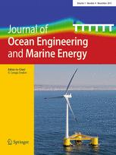
Journal of Ocean Engineering and Marine Energy
Pioneering Interdisciplinary Approaches in Ocean EnergyJournal of Ocean Engineering and Marine Energy, published by SpringerNature, stands at the forefront of interdisciplinary research within the fields of ocean engineering and marine energy. Since its inception in 2015, this journal has aimed to address critical challenges and innovations in energy systems, particularly those harnessed from marine environments, thereby contributing to sustainable development and efficient resource management. With an esteemed Q2 ranking in multiple categories such as Energy Engineering and Power Technology, and Ocean Engineering, the journal serves as a vital platform for researchers, professionals, and students seeking to disseminate and engage with cutting-edge research and technological advancements. Boasting a robust readership and a commitment to open-access principles, the journal fosters a collaborative environment for the exploration of new ideas and approaches in a rapidly evolving sector. By bridging the gap between academia and industry, Journal of Ocean Engineering and Marine Energy remains instrumental in shaping the future of renewable energy solutions and environmental sustainability.

OCEANOGRAPHY
Fostering Collaboration in Ocean SciencesOCEANOGRAPHY is a premier journal dedicated to the field of ocean sciences, published by the esteemed OCEANOGRAPHY SOC. With an impressive Q1 ranking in Oceanography and a Scopus standing of #25 out of 145 in Earth and Planetary Sciences, this journal serves as a critical platform for disseminating high-quality research. Since its inception in 1992 and transitioning to an Open Access model in 2007, OCEANOGRAPHY has been committed to providing unrestricted access to groundbreaking studies, fostering collaboration and innovation within the international scientific community. Researchers, professionals, and students alike can explore a wide range of topics, including marine ecosystems, ocean circulation, and climatic influences, making it an essential resource for anyone invested in understanding our oceans. With its headquarters in Rockville, MD, USA, it brings together a diverse body of work that is pivotal for advancing knowledge in the critical arena of oceanography.
Journal of Ocean University of China
Navigating the Depths of Innovation in Marine ResearchThe Journal of Ocean University of China, ISSN 1672-5182, is a premier academic journal dedicated to advancing the fields of Ocean Engineering and Oceanography. Published by the esteemed Ocean University of China, the journal serves as a vital platform for researchers, professionals, and students to disseminate groundbreaking findings and foster collaboration in marine science and engineering. With a commitment to quality, the journal currently holds a Q3 ranking in both Ocean Engineering and Oceanography as of 2023, indicating its significant contributions within the scientific community. The journal's scope encompasses a wide range of topics including marine technology, ecological studies, and coastal management, all aimed at enhancing the understanding and utilization of oceanic resources. Although currently not Open Access, it continues to attract submissions from renowned scholars, ensuring a diverse and innovative range of research. By providing access to cutting-edge research and practical insights, the Journal of Ocean University of China plays a critical role in shaping the future of ocean sciences and engineering.
Ocean Science Journal
Bridging Research and Practice in OceanographyOcean Science Journal, published by the Korea Institute of Ocean Science and Technology (KIOST), is a pivotal resource for scholars and practitioners in the field of oceanography. With the ISSN 1738-5261 and E-ISSN 2005-7172, this journal presents cutting-edge research from 2006 to 2024, bridging fundamental and applied ocean sciences. Based in South Korea, with its headquarters located in Busan, the journal has achieved a commendable Scopus rank of #72 out of 145 in the domain of Earth and Planetary Sciences, placing it in the 50th percentile among peer publications. Classified in the Q3 category of the 2023 Oceanography rankings, Ocean Science Journal offers a platform for innovative studies that advance understanding of marine environments and promote sustainable ocean practices. While it does not operate under an open access model, readers and contributors can expect high-quality, peer-reviewed material that addresses pressing oceanic challenges and developments. This journal serves as an essential tool for researchers, professionals, and students committed to fostering marine science and ocean technology.