Bulletin of the Lebedev Physics Institute
metrics 2024
Connecting emerging trends with established research.
Introduction
Bulletin of the Lebedev Physics Institute is a peer-reviewed journal dedicated to advancing the field of physics and astronomy, published by PLEIADES PUBLISHING INC. With a print ISSN of 1068-3356 and an e-ISSN of 1934-838X, this journal has been an essential platform for disseminating significant research findings since its inception in 2009. It continues to provide insight into various areas of general physics and astronomy, and consistently aims to foster innovative discussions among researchers and scholars. Although currently positioned in the Q4 category within the 2023 Scopus rankings, it serves a vital role in linking emerging trends with established research, catering to a global audience seeking to explore complex concepts within the field. By contributing to the body of knowledge, the Bulletin supports academic growth and collaboration across diverse sectors. Despite its challenges in ranking, the journal’s unique perspectives and ongoing publications underscore its commitment to pushing the boundaries of scientific inquiry in the United States and beyond.
Metrics 2024
 0.140.600.4015
Metrics History
Rank 2024
Scopus
IF (Web Of Science)
JCI (Web Of Science)
Quartile History
Similar Journals
Moscow University Physics Bulletin
Navigating the Universe of Physics KnowledgeMoscow University Physics Bulletin is a distinguished journal published by PLEIADES PUBLISHING INC, focusing on a broad spectrum of topics within the field of physics and astronomy. Since its inception, the journal has championed the dissemination of innovative research and advancements, making significant contributions to the academic community. Although currently categorized in the Q4 quartile and ranked #208/243 in the general physics and astronomy field by Scopus, it provides a valuable platform for emerging ideas and discussions in the sector. The journal's publication span, encompassing crucial years from 1975 to 1977, 1982 to 1989, and 2009 to 2024, showcases its resilience and commitment to advancing knowledge. While the journal follows a traditional access model, its content remains pivotal for researchers, professionals, and students aiming to stay abreast of the latest developments in physics. With contributions reflecting both theoretical advancements and practical applications, Moscow University Physics Bulletin is an essential resource for anyone looking to deepen their understanding of contemporary physics.
JOURNAL OF THE KOREAN PHYSICAL SOCIETY
Connecting Innovators in Physical ScienceJOURNAL OF THE KOREAN PHYSICAL SOCIETY is a prominent academic journal dedicated to advancing the field of physics, published by the prestigious Korean Physical Society. With its extensive contribution to the scientific community since its inception in 1996, this journal serves as an essential platform for the dissemination of innovative research findings in various branches of physical science. Despite its current categorization in Q4 and a ranking reflecting its early-stage impact relative to peers, it remains a valuable resource for researchers, professionals, and students eager to explore developments in general physics and astronomy. The journal is accessible in both print and electronic formats, making it convenient for a global audience. Each issue aims to foster collaboration and knowledge-sharing within the field, ensuring that it remains relevant and instrumental in shaping future research directions. Located in South Korea, the journal continues to nurture a vibrant academic community, contributing to the ongoing dialogue in the global scientific arena.

ACTA PHYSICA POLONICA B
Connecting Disciplines, Expanding HorizonsACTA PHYSICA POLONICA B is a distinguished journal published by Jagiellonian University Press, based in Poland. This peer-reviewed publication focuses on advancing the field of Physics and Astronomy with a mission to disseminate high-quality research that spans various subfields and interdisciplinary connections. Since its inception in 1980, the journal has steadily become a reliable source of scientific discourse, continuing its commitment through 2024. With a Q3 rank in the Physics and Astronomy category, it stands as an important resource for both established and budding researchers, contributing to a deeper understanding of complex physical phenomena. The journal is indexed by Scopus, ensuring a broad reach within the academic community, although it is not classified as an open-access resource. By promoting rigorous scientific inquiry and fostering connections within the global academic landscape, ACTA PHYSICA POLONICA B plays a vital role in shaping the future of physics research.
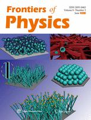
Frontiers of Physics
Fostering Collaboration for a Brighter Physics FutureFrontiers of Physics, published by Higher Education Press, is a premier open-access journal dedicated to fostering innovative research and excellence within the field of physics. With an ISSN of 2095-0462 and an E-ISSN of 2095-0470, this rapidly growing journal has established itself as a valuable platform for disseminating cutting-edge findings, covering a diverse range of topics from theoretical frameworks to experimental advancements. Notably, Frontiers of Physics has achieved an impressive Q1 ranking in the 2023 Scopus Quartiles for Physics and Astronomy, securing a competitive 5th out of 81 positions in its category, reflecting a high impact factor that underscores its importance to the scientific community. Since its inception in 2011 and continuing through 2024, the journal aims to bridge the gap between academia and industry, encouraging collaboration among researchers, professionals, and students alike. Its commitment to open access ensures that high-quality research is readily accessible, thereby promoting knowledge sharing and advancement in the global physics community. Explore the potential of your research in Frontiers of Physics, where the future of physics flourishes.
Chinese Physics B
Unveiling groundbreaking research for a global audience.Chinese Physics B, published by IOP Publishing Ltd, is a distinguished journal in the field of Physics and Astronomy, offering a platform for researchers to disseminate cutting-edge studies and advancements. With an ISSN of 1674-1056 and an E-ISSN of 2058-3834, this journal emphasizes open access, ensuring that groundbreaking research is readily available to a global audience. Reflecting its commitment to quality, Chinese Physics B is categorized in the Q3 quartile (2023) in its subject area and ranks 118 out of 243 among its peers in general physics and astronomy according to Scopus, placing it in the 51st percentile. Publishing since 2008, the journal not only maintains a rigorous peer-review process but also aims to foster collaboration among academics in various physics disciplines. With its base in the United Kingdom, Chinese Physics B remains a crucial resource for those seeking to stay abreast of developments in the diverse world of physics.
PHYSICA SCRIPTA
Advancing the Frontiers of Physics ResearchPHYSICA SCRIPTA, established in 1970 and published by IOP Publishing Ltd, is a prestigious journal dedicated to the broad fields of physics, encompassing topics such as atomic and molecular physics, condensed matter physics, and mathematical physics. With an impressive commitment to advancing scientific knowledge, it holds a significant standing in the academic community, evidenced by its Q2 and Q3 rankings across various categories in 2023. The journal is instrumental for researchers, professionals, and students seeking to disseminate and engage with high-quality research, fostering collaboration and innovation within the field. Although it currently does not offer open access options, its robust editorial standards ensure the dissemination of impactful studies, contributing to its rising citation metrics. Published from the United Kingdom, PHYSICA SCRIPTA continues to be a vital resource for contemporary developments in physics, paving the way for future discoveries.
Advances in Physics-X
Fostering Innovation in Physics and AstronomyAdvances in Physics-X is a premier open-access journal published by Taylor & Francis Ltd, dedicated to advancing the frontiers of knowledge in the field of Physics and Astronomy. Since its inception in 2016, the journal has established itself as a vital platform for researchers and professionals, showcasing innovative research and cutting-edge theories that influence a broad array of sub-disciplines within physics. With an impressive impact factor and ranked in the 94th percentile among its peers, it resides in the Q1 category for Physics and Astronomy (miscellaneous), indicating its significant contributions to the academic community. Located in the United Kingdom, the journal encourages open access to foster wider dissemination and visibility of scholarly works, aligning with contemporary academic trends that prioritize global knowledge sharing. The ongoing commitment to publishing high-quality research ensures that Advances in Physics-X remains an essential resource for students, industry experts, and academics alike, helping to shape the future of physics research through collaboration and innovation.
Science China-Physics Mechanics & Astronomy
Advancing Knowledge in Physics and AstronomyScience China-Physics Mechanics & Astronomy, published by SCIENCE PRESS, stands as a prestigious journal within the Physics and Astronomy domain, particularly recognized for its contributions to the understanding of fundamental and applied physics. With an exhilarating Q1 ranking in the 2023 category and earning a remarkable scopus rank of #21 out of 243, the journal demonstrates its significant impact, being positioned in the 91st percentile of its field. Operating under an Open Access model, it facilitates the broad dissemination of high-quality research, ensuring accessibility for researchers, professionals, and students worldwide. Its scope covers a variety of essential topics in physics and astronomy, promoting a comprehensive understanding of the latest advancements from 2010 through 2024. The journal is a vital resource for anyone aiming to stay at the forefront of research in these dynamic fields, with its prominent address located in Beijing, China, symbolizing its global influence.
Communications Physics
Fostering dialogue among the brightest minds in physics.Communications Physics is a premier open access journal published by Nature Portfolio, dedicated to disseminating high-quality research in the field of Physics and Astronomy. Since its inception in 2018, the journal has rapidly established itself as a vital platform for innovative scientific communication, boasting an impressive Impact Factor and achieving Q1 status in the 2023 category of Physics and Astronomy (miscellaneous). With a Scopus rank of #31 out of 243, placing it within the 87th percentile, Communications Physics attracts a global audience of researchers, professionals, and students eager to engage with cutting-edge findings. The journal supports open access, ensuring that research is freely available to the public, which enhances its visibility and encourages broader discussions within the scientific community. Located in Berlin, Germany, Communications Physics aims to bridge the gap between various disciplines within physics, fostering interdisciplinary collaboration and inspiring future research endeavors.

Ukrainian Journal of Physics
Innovating Insights in the Heart of UkraineUkrainian Journal of Physics, published by the Bogolyubov Institute for Theoretical Physics of the National Academy of Sciences of Ukraine, stands as a significant platform for the dissemination of research in the dynamic field of physics. With its ISSN 2071-0186 and E-ISSN 2071-0194, the journal aims to foster academic dialogue and innovation among researchers, professionals, and students alike. Recognized with a Scopus ranking that places it in the 26th percentile, the journal offers an array of contributions spanning various domains, including general physics and astronomy. Although currently categorized in the Q3 quartile for 2023, it seeks to elevate its scholarly impact while providing open access to its contents, facilitating wider availability and engagement. With a commitment to publishing high-quality research from 2007 to 2024, the journal embraces interdisciplinary approaches to physics, making it an invaluable resource for anyone dedicated to advancing their understanding and exploration of physical sciences.