Moscow University Chemistry Bulletin
metrics 2024
Connecting Researchers for a Brighter Chemical Future
Introduction
Moscow University Chemistry Bulletin is a distinguished academic journal dedicated to advancing the field of chemistry, published by PLEIADES PUBLISHING INC. With an ISSN of 0027-1314 and an E-ISSN of 1935-0260, this journal provides a platform for researchers, professionals, and students to explore a wide range of topics in general and specialized chemistry. While it holds a current Q4 ranking in the “Chemistry (miscellaneous)” category according to Scopus, the journal is committed to broadening its scope and visibility, aiming for greater impact in the global scientific community. Moscow University Chemistry Bulletin focuses on the publication of cutting-edge research, reviews, and discussions that stimulate innovation and collaboration. Although it is not an Open Access journal, it plays a crucial role in disseminating knowledge and fostering academic dialogue within the field, as it converges towards significant findings from 2004 to 2024. The continuous development of its content holds the potential to attract a diverse readership, making it a valuable resource for those involved in the chemical sciences.
Metrics 2024
 0.170.700.6014
Metrics History
Rank 2024
Scopus
IF (Web Of Science)
JCI (Web Of Science)
Quartile History
Similar Journals
SOUTH AFRICAN JOURNAL OF CHEMISTRY-SUID-AFRIKAANSE TYDSKRIF VIR CHEMIE
Fostering Collaboration in South African ChemistrySouth African Journal of Chemistry (Suid-Afrikaanse Tydskrif vir Chemie), published by Bureau Scientific Publications, is a pivotal open-access journal that has been disseminating groundbreaking research in the field of chemistry since its inception in 1996. With an ISSN of 0379-4350 and an E-ISSN of 1996-840X, this journal serves as a vital platform for researchers and professionals seeking to share their work and engage with the global chemistry community. Recognized for its significant contributions, the journal holds a Q3 quartile ranking in the miscellaneous chemistry category as of 2023 and ranks #216 out of 408 in General Chemistry according to Scopus. The South African Journal of Chemistry is dedicated to advancing knowledge in the discipline by publishing a wide array of articles, reviews, and studies that address pertinent chemical research and applications. With open access options available since 2000, it fosters a collaborative environment, ensuring that research is accessible to all, thereby enhancing the visibility and impact of chemists' work across South Africa and beyond.
Canadian Journal of Chemistry
Catalyzing Knowledge in the Heart of CanadaWelcome to the Canadian Journal of Chemistry, a prominent publication dedicated to advancing the study of chemistry through original research and critical reviews. Published by Canadian Science Publishing, this journal has been a cornerstone of chemical research since its inception, covering a broad spectrum of topics within the field, including catalysis, organic chemistry, and general chemistry. With an ISSN of 0008-4042 and E-ISSN of 1480-3291, it provides a vital platform for researchers, professionals, and students to disseminate their findings and engage in scholarly discourse. Impact Factor is currently in development, with the journal classified in the Q4 category for catalysis and Q3 for miscellaneous chemistry fields, signifying its evolving contributions to the scientific community. The journal operates without an open access model, which ensures a rigorous peer-review process while maintaining subscription access for institutions and libraries. Located in Ottawa, Canada, the Canadian Journal of Chemistry continues to provide an invaluable resource for those dedicated to the scientific pursuit of chemistry, making significant strides in fostering interdisciplinary approaches and innovative research methodologies.
Chemija
Elevating Chemical Knowledge, One Article at a Time.Chemija is a prominent journal in the field of chemistry, published by LIETUVOS MOKSLU AKAD LEIDYKLA in Lithuania. With a focus on diverse topics within the realm of chemistry, this journal aims to disseminate original research articles, reviews, and discussions that advance the understanding and application of chemical science. Although it currently holds a Q4 ranking in the miscellaneous category of chemistry, Chemija is committed to elevating its impact through the publication of high-quality research, making significant contributions to the discipline. The journal operates under a non-open access model, ensuring that articles undergo rigorous peer review to uphold academic standards. Researchers, professionals, and students are encouraged to explore the wealth of knowledge within its pages as it endeavors to bridge gaps across various subfields of chemistry from 2008 to 2024. With a dedicated readership and a growing database of insightful publications, Chemija serves as an essential resource in the ever-evolving landscape of chemical research.
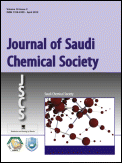
Journal of Saudi Chemical Society
Elevating Research Standards in the Chemistry Community.The Journal of Saudi Chemical Society, published by ELSEVIER, stands as a premier platform for advancing knowledge in the field of chemistry. Since its inception in 2009, this Open Access journal has garnered significant attention, securing a prestigious Q1 ranking in the Chemistry (miscellaneous) category for 2023, reflecting its position among the top journals in the discipline. With an impressive Scopus ranking of #66 out of 408 in General Chemistry, this journal boasts a commendable 83rd percentile, underscoring its impact and relevance in the global research community. The journal aims to disseminate high-quality research articles, reviews, and case studies, fostering innovation and collaboration among chemists and allied professionals. By enabling widespread access to cutting-edge research, the Journal of Saudi Chemical Society plays a crucial role in supporting the educational and professional development of students, researchers, and practitioners alike, making it an essential resource for anyone invested in the dynamic field of chemistry.
Chemical Methodologies
Advancing Chemistry Through Innovative MethodologiesWelcome to Chemical Methodologies, a premier journal published by SAMI PUBLISHING CO-SPC, dedicated to advancing the field of chemistry through innovative research and methodologies. With an ISSN of 2645-7776 and an E-ISSN of 2588-4344, this journal provides a vital platform for researchers and scholars to share their findings in areas encompassing physical, theoretical, and organic chemistry. Despite its initial HIndex and quartile rankings still being established, the journal's evolving impact within the academic landscape is underscored by its Scopus Ranks, which place it in the 35th percentile for physical and theoretical chemistry and the 33rd percentile for organic chemistry. Since its inception in 2022, and continuing through 2024, Chemical Methodologies aims to foster collaboration and knowledge dissemination among academics and practitioners alike, bridging theoretical concepts and practical applications. This open-access platform enhances accessibility for researchers and students worldwide, ensuring that groundbreaking contributions to chemical science reach a broad audience.
Journal of Chemistry and Technologies
Unveiling Breakthroughs in Chemistry and Engineering.The Journal of Chemistry and Technologies, published by OLES HONCHAR DNIPROPETROVSK NATIONAL UNIVERSITY, is an open access journal dedicated to advancing knowledge in the broad fields of chemistry and chemical engineering since its inception in 2013. With ISSN 2663-2934 and E-ISSN 2663-2942, this journal provides a vital platform for researchers and professionals, particularly in Ukraine and beyond, to share innovative research findings and contemporary technological advancements. Currently ranked in the Q4 quartile in both Chemical Engineering and General Chemistry for 2023, it serves as an enriching resource for those interested in emerging trends and interdisciplinary studies within these domains. The journal adheres to high academic standards while fostering collaboration in the scientific community by offering open access articles that ensure visibility and accessibility to a global audience. As an important part of the academic landscape, the Journal of Chemistry and Technologies aims to inspire future research and development, paving the way for new discoveries and applications in chemistry-related fields.
Eurasian Journal of Chemistry
Empowering Knowledge Sharing in ChemistryEurasian Journal of Chemistry is an emerging open-access journal published by KARAGANDA STATE UNIVERSITY in Kazakhstan. With a focus on the diverse and dynamic field of chemistry, this journal aims to disseminate cutting-edge research and innovative findings from various branches of chemistry, engaging a global audience of researchers, professionals, and students. Despite its recent inception in 2023, the journal is strategically positioned within the field, currently ranked in the fourth quartile of Scopus for General Chemistry, indicating its potential for growth and contribution to the scientific community. The ISSN of the journal is 2959-0663 with an electronic counterpart of 2959-0671, ensuring wide accessibility to its rich content. With an open-access model, the Eurasian Journal of Chemistry promotes the sharing of knowledge and advances in research to foster collaboration and inspiration across the globe.
Bulletin of the University of Karaganda-Chemistry
Empowering Scholars with Open Access Chemistry InsightsBulletin of the University of Karaganda-Chemistry is an esteemed academic journal published by KARAGANDA STATE UNIVERSITY, focusing on the field of chemistry and related disciplines. With an ISSN of 2518-718X and an E-ISSN of 2663-4872, this journal aims to disseminate high-quality research articles, reviews, and scholarly discussions that contribute to the advancement of knowledge in chemistry. Although it has experienced a transition in its coverage from 2021 to 2022, the journal remains a significant platform for researchers and students alike, promoting open access to its valuable content. Despite its current Scopus rank of #379/407 in the general chemistry category, the Bulletin of the University of Karaganda-Chemistry serves as a vital resource for the academic community in Kazakhstan and beyond, fostering collaboration and innovation in various chemical research domains. Researchers, professionals, and students are encouraged to engage with the journal as it continues to evolve and contribute to significant scientific discussions.
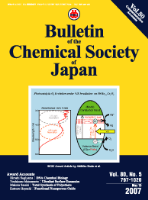
BULLETIN OF THE CHEMICAL SOCIETY OF JAPAN
Empowering Discoveries: Your Gateway to Chemical InsightsBULLETIN OF THE CHEMICAL SOCIETY OF JAPAN, published by the esteemed Chemical Society of Japan, serves as a pivotal platform for the dissemination of cutting-edge research in the multifaceted field of chemistry. With an ISSN of 0009-2673 and an E-ISSN of 1348-0634, this journal has been integral in fostering the growth of chemical sciences globally since its inception in 1965. The journal holds an impressive Q2 ranking in the Chemistry (miscellaneous) category, indicating its relevance and influence within the academic community, as reflected by its Scopus rank of #104/408, placing it in the 74th percentile. Although it is not an open-access journal, its rich content, which spans a wide range of topics in general chemistry, remains highly valued by researchers, professionals, and students alike, affirming its crucial role in advancing both theoretical knowledge and practical applications in chemistry. As it converges towards 2024, the bulletin continues to uphold its commitment to excellence in scientific communication and research dissemination in Japan and beyond.
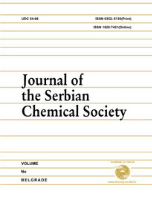
JOURNAL OF THE SERBIAN CHEMICAL SOCIETY
Exploring the Frontiers of Chemistry TogetherJOURNAL OF THE SERBIAN CHEMICAL SOCIETY, an esteemed publication in the field of chemistry, is published by the SERBIAN CHEMICAL SOCIETY and has been an essential platform for the dissemination of research since 1930. With an ISSN of 0352-5139, this Open Access journal is dedicated to fostering communication and collaboration among chemists worldwide, making its contents readily accessible to researchers, professionals, and students alike. Based in Serbia, the journal features a wide range of topics within the domain of general chemistry, as reflected in its Scopus rankings, which place it in the 34th percentile among its peers. The journal's engagement with the global scholarly community is further underscored by its consistent publication history since 1985, with coverage extending through to 2024. As the journal continues to evolve, it remains committed to promoting high-quality research and advancing the field of chemistry.