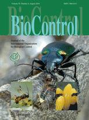
BIOCONTROL
metrics 2024
Transforming agricultural challenges into sustainable solutions.
Introduction
BIOCONTROL is a leading academic journal published by Springer, focusing on the intricate dynamics of biological control in agronomy and insect science. Established in 1998, this journal has effectively contributed to the field’s understanding of pest management and sustainable agriculture practices. With a commendable impact factor and category rankings placing it in the Q1 quartile for both Agronomy and Crop Science as well as Insect Science, it ranks among the top-tier journals in its domain. The journal is accessible to a broad audience, offering a comprehensive platform for researchers and practitioners to share innovative findings and methodologies. By fostering the advancement of knowledge in biological control, BIOCONTROL plays an essential role in promoting environmentally responsible practices that address contemporary agricultural challenges. Engage with the latest research and developments from the Netherlands and beyond, as we explore the future of sustainable agriculture in an ever-evolving landscape.
Metrics 2024
 0.612.202.9082
Metrics History
Rank 2024
Scopus
IF (Web Of Science)
JCI (Web Of Science)
Quartile History
Similar Journals
AGRICULTURAL AND FOREST ENTOMOLOGY
Elevating research on insect impacts in agriculture and forestry.AGRICULTURAL AND FOREST ENTOMOLOGY is a leading journal published by Wiley, focusing on the interface of entomology, agriculture, and forestry. With a robust impact reflected in its Q2 and Q1 quartile rankings in prominent categories like Agronomy and Crop Science, Forestry, and Insect Science, this journal serves as a vital platform for researchers and professionals seeking to advance their understanding of insect impacts on agricultural and forest ecosystems. Since its inception in 1999, it has provided a comprehensive collection of high-quality research, facilitating interdisciplinary discussions and innovations in pest management, biodiversity, and sustainable practices. Although it does not currently offer Open Access, the journal continues to uphold rigorous peer-review standards, ensuring that published works maintain a profound scientific value. As of 2023, its Scopus rankings further signify its prominence in the field, engaging a global audience keen on addressing the pressing challenges faced within agricultural and forest sciences.
JOURNAL OF ECONOMIC ENTOMOLOGY
Pioneering Research for Sustainable Pest ManagementJOURNAL OF ECONOMIC ENTOMOLOGY, published by OXFORD UNIV PRESS INC, stands as a premier interdisciplinary platform for researchers and professionals in the realms of entomology and ecological sciences. With a robust publication history dating back to 1945, this esteemed journal has consistently maintained its reputation for disseminating high-quality research, as evidenced by its prestigious Q1 rankings in both Ecology and Insect Science for 2023. The journal’s impact is highlighted by its excellent Scopus ranks, placing it in the top percentile of Agricultural and Biological Sciences and Environmental Science categories. Aimed at advancing the understanding of insects and their relationships with humans and ecosystems, the JOURNAL OF ECONOMIC ENTOMOLOGY offers a critical forum for original research articles, reviews, and opinion pieces that influence practices in pest management, conservation, and agricultural productivity. Although not an Open Access journal, its findings are pivotal for students, researchers, and professionals striving to address contemporary challenges in entomology and beyond.
APPLIED ENTOMOLOGY AND ZOOLOGY
Innovating solutions through rigorous entomological research.Applied Entomology and Zoology, published by Springer Japan KK, is a pivotal journal in the field of insect science, with an impressive track record since its inception in 1966. This esteemed publication, bearing ISSN 0003-6862 and E-ISSN 1347-605X, contributes significantly to the understanding of applied entomology, emphasizing research that supports sustainable agricultural practices and the ecological conservation of insects. Ranked in the Q2 category (2023) for Insect Science with a Scopus rank of #65 out of 181, it is recognized for its rigorous peer-review process and high-quality contributions that push the boundaries of our knowledge. Although it does not currently offer open access, the journal remains an essential resource for researchers, professionals, and students eager to advance their understanding of the complex interactions between insects and their environment. With a focus on practical applications, it aims to bridge the gap between entomological research and real-world implications, fostering innovation and promoting informed decision-making within the scientific community.
FLORIDA ENTOMOLOGIST
Unraveling the Mysteries of Entomological ResearchFLORIDA ENTOMOLOGIST is a prestigious peer-reviewed journal dedicated to the advancement of entomological sciences, published by Walter de Gruyter GmbH. Since its transition to open access in 1994, the journal has become a vital resource for researchers, students, and professionals in the fields of Insect Science and Ecology, Evolution, Behavior, and Systematics. With an impact factor ranking high in its category—Q2 in Insect Science and Q3 in Ecology, Evolution, Behavior and Systematics—the journal showcases significant findings and contributions that shape our understanding of insect biology and its implications for ecological systems. The journal is indexed in Scopus, further establishing its relevance, with current rankings reflecting its competitive standing within Agricultural and Biological Sciences. Published continuously since 1982, FLORIDA ENTOMOLOGIST not only facilitates the dissemination of knowledge among entomologists but also encourages interdisciplinary collaboration, making it an essential publication for anyone invested in the scientific study of insects.
NEMATOLOGY
Advancing Knowledge in Nematological ResearchNematology is a prominent journal published by BRILL, focusing exclusively on the multifaceted realm of nematodes and their ecological, agricultural, and biological implications. With an ISSN of 1388-5545, this esteemed journal serves as a vital platform for researchers, professionals, and students dedicated to advancing knowledge in Agronomy and Crop Science and Ecology, Evolution, Behavior, and Systematics. Established in 1999 and continuing its mission until 2024, Nematology holds a Q2 ranking in Agronomy and Crop Science and a Q3 ranking in Ecology as of 2023, indicating its significant impact within these fields. Published in the Netherlands, this journal is accessible through various options, providing vital insights into nematological research and its applications. Researchers from around the globe are encouraged to explore, submit manuscripts, and contribute to the evolving discourse within this specialized yet pivotal area of study.
INTERNATIONAL JOURNAL OF PEST MANAGEMENT
Exploring the intersection of science and agriculture for effective pest control.The INTERNATIONAL JOURNAL OF PEST MANAGEMENT, published by TAYLOR & FRANCIS LTD, is a prestigious academic journal that has established itself as a vital resource in the fields of Agronomy, Crop Science, and Insect Science. With an ISSN of 0967-0874 and E-ISSN 1366-5863, this journal has been disseminating critical research since its inception in 1993 and continues to shape the discourse through to 2024. The journal occupies a significant position in the academic community, currently ranked Q2 in Agronomy and Crop Science and Q3 in Insect Science, based on its impressive Scopus ranks (Agricultural and Biological Sciences: Insect Science rank #33/181; Agronomy and Crop Science rank #109/406). Offering rapid insights into pest management strategies, this journal is essential for researchers, professionals, and students seeking to enhance their understanding of pest dynamics and management practices in an agronomic context. Though it does not provide open access options, its rigorous peer-review process ensures high-quality, impactful publications that contribute significantly to sustainable agricultural practices.

BULLETIN OF INSECTOLOGY
Illuminating the Path of Insect ScienceBULLETIN OF INSECTOLOGY is a prominent academic journal published by ALMA MATER STUDIORUM, UNIV BOLOGNA, Italy, specializing in the field of Insect Science. The journal, with ISSN 1721-8861 and E-ISSN 2283-0332, has established itself as a vital resource for researchers and professionals interested in the diverse aspects of entomology and its applications. It ranks in the Q2 category for Insect Science as of 2023, placing it among the top journals in its field with a Scopus rank of 79 out of 181. The BULLETIN OF INSECTOLOGY is committed to disseminating high-quality research and innovative studies, facilitating open dialogue and collaboration among scientists. As an essential platform for sharing groundbreaking findings, it contributes significantly to the body of knowledge in agricultural and biological sciences, making it an invaluable asset for scholars and practitioners alike. With coverage from 2002 to 2024, this journal continues to foster advancements in entomological research and its importance in tackling environmental challenges.

Egyptian Journal of Biological Pest Control
Fostering collaboration in ecological pest management.The Egyptian Journal of Biological Pest Control, published by SPRINGER, is a premier open-access journal dedicated to advancing the field of biological pest management. With its ISSN 1110-1768 and E-ISSN 2536-9342, this journal has established a reputation for disseminating high-quality research since its inception in 2008. Its commitment to open access since 2018 enhances its accessibility, making vital research available to a global audience. The journal boasts impressive Scopus rankings, including a Q1 classification in Agronomy and Crop Science and Insect Science for 2023, demonstrating its significant influence in the realms of ecological and agricultural research. The journal serves as an essential platform for researchers, professionals, and students interested in sustainable pest control strategies, focusing on the integration of biological methods within conventional agricultural practices. Based in Egypt, it plays a crucial role in addressing both regional and global challenges in pest management, affirming its importance in the scientific community.
BIOLOGICAL CONTROL
Leading the Charge in Ecological Pest Management SolutionsBIOLOGICAL CONTROL, published by Academic Press Inc Elsevier Science, is a prestigious journal focusing on the advancement of knowledge in the field of biological pest control and integrated pest management. With a high-impact factor reflecting its significant contributions to agronomy and insect science, it has secured elite positions in both Q1 categories as of 2023. The journal ranks within the top 6% and 12% of its fields on Scopus, making it an essential resource for researchers and professionals dedicated to sustainable agricultural practices and ecological balance. With its comprehensive exploration of theoretical and applied studies from 1991 to 2024, BIOLOGICAL CONTROL serves as a critical platform for disseminating innovative research and promoting dialogue among scholars, students, and practitioners. Although the journal follows a subscription-based access model, it consistently attracts contributions that shape the future of pest management strategies.
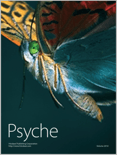
Psyche-A Journal of Entomology
Pioneering Research in Insect Behavior and EcologyPsyche-A Journal of Entomology is a distinguished open-access journal published by Hindawi Ltd, specializing in the field of entomology, including aspects of ecology, evolution, behavior, and systematics of insects. Established in 1874, this journal has a rich history of contributing to the scientific community by disseminating high-quality research related to insects and their diverse interactions within ecosystems. With an impact factor placing it in Q3 for both Ecology, Evolution, Behavior and Systematics and Insect Science, Psyche serves as a pivotal platform for researchers, professionals, and students aiming to deepen their understanding of insect-related science. The journal's commitment to open access ensures that research is accessible to a global audience, promoting collaboration and innovation in entomological studies. Covering a broad timeline of converged years from 1874 to 2024, Psyche fosters a comprehensive dialogue around insect biodiversity, conservation, and the ever-evolving dynamics of ecosystems in which insects play crucial roles.