
BMC IMMUNOLOGY
metrics 2024
Transforming Immunology Through Open Access
Introduction
BMC Immunology is a prominent open-access journal published by BMC that has been at the forefront of immunological research since its inception in 2000. Based in the United Kingdom, this journal aims to advance the understanding of immune system functions and disorders through high-quality, peer-reviewed articles. With an impressive scope encompassing various facets of immunology, BMC Immunology has earned a Q3 ranking in the Immunology category according to the 2023 category quartiles, demonstrating its growing impact and relevance in the scientific community. Researchers and professionals will find valuable insights in its array of published works, spanning both foundational studies and innovative applications. The journal's commitment to open access ensures that cutting-edge research is freely available, fostering collaboration and advancement in the field. For those looking to stay updated on the latest developments in immunology, BMC Immunology stands as an essential resource for researchers, professionals, and students alike.
Metrics 2024
 -2.903.30-
Metrics History
Rank 2024
IF (Web Of Science)
JCI (Web Of Science)
Quartile History
Similar Journals
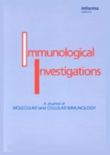
IMMUNOLOGICAL INVESTIGATIONS
Exploring the Frontiers of Immunological ScienceIMMUNOLOGICAL INVESTIGATIONS, published by Taylor & Francis Inc, is a leading journal in the field of immunology and related medical sciences, with an established presence since 1972. With a focus on cutting-edge research and critical insights in immunological methods and theories, this journal serves as a pivotal platform for researchers, professionals, and students alike. Though it currently holds a Q3 ranking in Immunology and a Q2 ranking in miscellaneous medicine as of 2023, its Scopus rank of #129 out of 236 reflects its dedication to advancing the understanding of immune responses and therapies. The journal's commitment to rigorous peer review and high-quality publications enables it to remain relevant and influential in the ever-evolving landscape of immunological research. Subscription is required to access its extensive archive, which spans critical developments in the field of immunology from 1972 to 2024.
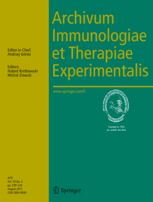
ARCHIVUM IMMUNOLOGIAE ET THERAPIAE EXPERIMENTALIS
Transforming Research into Therapeutic SolutionsARCHIVUM IMMUNOLOGIAE ET THERAPIAE EXPERIMENTALIS, published by DE GRUYTER POLAND SP Z O O, stands as a pivotal journal in the field of immunology, contributing significantly to the advancement of knowledge and therapy in this crucial area of medicine since its inception in 1954. With an ISSN of 0004-069X and an E-ISSN of 1661-4917, the journal operates out of Switzerland, catering to an international audience of researchers, practitioners, and students. As reflected in its Scopus rankings, the journal is positioned within the third quartile in both Immunology and Allergy (Q3) and holds a commendable second quartile in Medicine (miscellaneous) (Q2), indicating its respectable influence within the academic community. The journal publishes original research, reviews, and clinical studies, offering a platform for exploring cutting-edge developments in immunological therapies and experimental methods. Although not currently an open-access journal, it continues to thrive as a valuable resource, reflecting a commitment to disseminating high-quality research and fostering academic discourse in the field. Researchers and professionals alike will find ARCHIVUM IMMUNOLOGIAE ET THERAPIAE EXPERIMENTALIS an essential reference source for the latest advancements in immunological research and clinical applications.
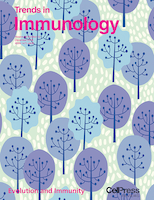
TRENDS IN IMMUNOLOGY
Illuminating Key Trends in Immune System StudiesTRENDS IN IMMUNOLOGY, published by CELL PRESS, stands as a premier source of insights and developments within the field of immunology. With an ISSN of 1471-4906 and E-ISSN of 1471-4981, this journal has established a strong reputation, evidenced by its prestigious status in Q1 quartiles for both Immunology and Allergy in 2023. It is ranked #13 out of 233 in the Scopus category of Medicine – Immunology and Allergy, and #16 out of 236 in Immunology and Microbiology, placing it within the top 94th and 93rd percentiles respectively. Since its inception in 1987, TRENDS IN IMMUNOLOGY has provided a critical platform for researchers, professionals, and students to access the latest advancements and integrative reviews in immunological research. The journal offers open access options, enhancing the accessibility of its high-impact content to a global audience. Researchers and practitioners rely on its pages not only for cutting-edge findings but also for comprehensive discussions that drive the future of immunology research.
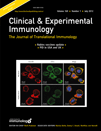
CLINICAL AND EXPERIMENTAL IMMUNOLOGY
Pioneering Discoveries in Immunology and AllergyClinical and Experimental Immunology, published by Oxford University Press, is a premier journal that has been a cornerstone in the field of immunology since its inception in 1966. With an ISSN of 0009-9104 and an E-ISSN of 1365-2249, this journal holds a significant position in academic research, currently ranking in the Q2 category for both Immunology and Allergy (2023). Its impactful contributions are reflected in its Scopus rankings, where it stands at Rank #63 out of 233 in Immunology and Allergy, placing it in the 73rd percentile, and Rank #73 out of 236 in Immunology and Microbiology. Researchers, healthcare professionals, and students will find this journal an invaluable resource for cutting-edge studies, reviews, and clinical advancements in the ever-evolving domain of immunology. While the publication does not offer open-access options, it remains a pivotal platform for disseminating knowledge that impacts both clinical practice and experimental research.
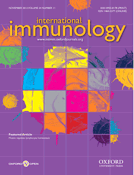
INTERNATIONAL IMMUNOLOGY
Unveiling Innovations in Immunology for Global Impact.INTERNATIONAL IMMUNOLOGY, published by OXFORD UNIV PRESS, stands out as a premier journal in the field of immunology, providing a vital platform for disseminating groundbreaking research and innovative developments within the discipline. With an impressive Q1 ranking in Immunology and Allergy, as well as in Medicine (miscellaneous), it consistently showcases high-impact studies that contribute to the advancement of immunological knowledge. The journal spans over three decades, from its inception in 1989 to its ongoing contributions as of 2024, thus solidifying its reputation in the scientific community. Researchers, professionals, and students will find valuable articles that delve into the complexities of immune responses, therapeutic interventions, and emerging immunological paradigms, ensuring INTERNATIONAL IMMUNOLOGY remains at the forefront of knowledge in the life sciences.
Immuno
Empowering Discoveries in Immunology, Biochemistry, and GeneticsWelcome to Immuno, a pioneering open-access journal published by MDPI that serves as a key platform for the dissemination of innovative research in the fields of immunology, biochemistry, and genetics. Established in 2021, this journal has rapidly established itself within the academic community, currently ranking in the 53rd percentile in Medicine (miscellaneous) and 50th percentile in Biochemistry, Genetics, and Molecular Biology according to Scopus metrics. With a commitment to advancing our understanding of immune mechanisms and their applications in health and disease, Immuno is dedicated to publishing high-quality peer-reviewed articles that contribute valuable insights to both researchers and practitioners. Positioned in the heart of Switzerland, its global accessibility and diverse editorial board are a testament to its aim to promote knowledge exchange among scientists, practitioners, and students alike. Explore the latest discoveries and advancements in immunological research through Immuno, where your contributions help shape the future of this critical area of study.
International Journal of Immunogenetics
Fostering Innovation in Immunogenetic StudiesInternational Journal of Immunogenetics, under the esteemed publication house WILEY, serves as a pivotal platform for researchers and professionals in the fields of immunology and genetics. With an ISSN of 1744-3121 and an E-ISSN of 1744-313X, this journal offers a rich repository of scholarly articles and research findings that advance our understanding of immune system genetics. Hailing from the United Kingdom, the journal maintains an impactful presence with category quartiles reflecting a Q3 rating in Genetics and Immunology and a Q2 in Medicine (miscellaneous), positioning it as a credible source of scientific knowledge. It encompasses studies from converged years ranging from 1974 to 1996 and again from 2005 to 2024, ensuring a robust collection of both historical and contemporary research. Researchers are encouraged to engage with its content, given its Scopus rankings—highlighting the journal’s relevance in a competitive academic landscape. As an open-access title, International Journal of Immunogenetics strives to enhance accessibility to vital research, fostering collaboration and innovation in the genetic and immunological domains.
Immunity Inflammation and Disease
Exploring innovative insights in immunology and allergy.Immunity, Inflammation and Disease is a premier open-access journal published by WILEY, dedicated to advancing the field of immunology and allergy. Launched in 2013, this journal has established itself as a significant platform for researchers and professionals to disseminate high-quality research findings and innovative insights that address critical issues in immune responses and inflammatory diseases. With an impact factor that reflects its growing influence and a current ranking in Q3 for Immunology and Q2 for Immunology and Allergy, this journal serves a diverse audience keen on exploring cutting-edge developments. Researchers are encouraged to submit their work to share their findings with a global reach, foster collaboration, and enhance the understanding of immune mechanisms and therapeutic strategies. Accessible since its inception, Immunity, Inflammation and Disease is committed to open science, ensuring that vital research is freely available for the advancement of knowledge within the academic community and beyond.
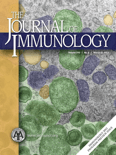
JOURNAL OF IMMUNOLOGY
Empowering the Future of Immune ResearchWelcome to the JOURNAL OF IMMUNOLOGY, a prestigious publication associated with the American Association of Immunologists and dedicated to advancing the field of immunology. With a rich history dating back to 1945, this journal is renowned for its high-impact research, evident in its notable 2023 Q1 rankings in both Immunology and Allergy, as well as its strong positions in Scopus rankings—Rank #68 in Immunology and Allergy and Rank #79 in Immunology and Microbiology. Although it operates on a subscription basis, its commitment to publishing cutting-edge studies ensures that it remains a vital resource for scientists, healthcare professionals, and students alike. As the journal continues to pave the way for innovative research and breakthroughs in immunological science, it facilitates a platform for dialogue and discovery among researchers and practitioners across the globe.
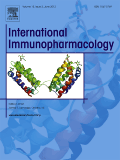
International Immunopharmacology
Empowering Discoveries in Immunology and Pharmacological ApplicationsInternational Immunopharmacology, published by Elsevier, stands as a prominent journal within the disciplines of immunology and pharmacology. With an ISSN of 1567-5769 and an E-ISSN of 1878-1705, this esteemed journal is based in the Netherlands and features a robust commitment to disseminating high-quality research from its inception in 2001 through 2024. The journal has achieved impressive rankings, securing a Q1 category in Pharmacology and Q2 in both Immunology and Immunology and Allergy as of 2023. With its strategic focus on bridging the gap between immunology and pharmacological applications, International Immunopharmacology attracts a diverse readership, including researchers, healthcare professionals, and students interested in the latest advancements in therapeutic agents and immune system modulation. Furthermore, it offers an open access option, enhancing the accessibility and reach of its invaluable content. As a pivotal resource in the field, this journal not only facilitates the exchange of innovative ideas but also fosters a deeper understanding of the complexities of immunopharmacology in today’s research landscape.