BRITISH JOURNAL OF BIOMEDICAL SCIENCE
Scope & Guideline
Exploring Innovations in Biomedicine and Beyond
Introduction
Aims and Scopes
- Biomedical Research and Innovation:
The journal emphasizes cutting-edge research in biomedical sciences, including studies on molecular biology, genetics, and microbiology, contributing to advancements in diagnostics and therapeutics. - Clinical Applications and Diagnostics:
Research that bridges laboratory findings with clinical applications is a core focus, with an emphasis on developing and evaluating diagnostic techniques and treatment protocols. - Education and Training in Biomedical Sciences:
The journal also addresses educational methodologies and frameworks within biomedical science programs, promoting effective teaching strategies and student engagement in research. - Public Health and Disease Prevention:
Research that explores the implications of biomedical science in public health, including the epidemiology of diseases and the development of strategies for disease prevention, is a significant area of interest. - Interdisciplinary Collaboration:
The journal encourages studies that foster collaboration across various biomedical fields, integrating knowledge from different disciplines to tackle complex health issues.
Trending and Emerging
- Impact of COVID-19 on Health Sciences:
There has been a significant increase in research related to the effects of COVID-19 on various health aspects, including diagnostics, treatment strategies, and long-term health implications. - Antimicrobial Resistance Research:
Studies addressing antimicrobial resistance (AMR) are becoming more prominent, reflecting global health concerns and the need for innovative solutions to combat resistant pathogens. - Personalized Medicine and Genetic Research:
The journal is increasingly publishing articles on personalized medicine, including genetic variants and their implications for tailored therapies, highlighting advances in precision healthcare. - Educational Innovations in Biomedical Training:
Emerging themes include innovative educational practices in biomedical sciences, such as gamification and active learning methods, which aim to enhance student engagement and competency. - One Health Approach:
Research exploring the One Health concept, which integrates human, animal, and environmental health, is gaining traction, indicating a holistic view of health challenges in modern biomedical research.
Declining or Waning
- Traditional Laboratory Techniques:
There has been a noticeable decrease in papers focusing solely on traditional laboratory techniques, as the field moves towards more innovative and automated methodologies. - Basic Science without Clinical Relevance:
Research that does not clearly connect to clinical applications seems to be waning, as the journal prioritizes studies that demonstrate direct implications for patient care and outcomes. - Historical Reviews and Retrospectives:
The frequency of historical analyses or retrospective studies has decreased, indicating a shift towards more forward-looking research that addresses current challenges in biomedical science. - Single-Disease Focus Studies:
Publications that concentrate solely on single-disease studies without a broader context or multidisciplinary approach appear to be less common, suggesting a trend towards more integrative research.
Similar Journals
Brazilian Journal of Infectious Diseases
Empowering healthcare through innovative research and insights.The Brazilian Journal of Infectious Diseases, published by Elsevier Brazil, is a premier open-access journal dedicated to advancing research and clinical practice in the field of infectious diseases. Since its inception in 2001, this journal has been pivotal in disseminating innovative studies and reviews that inform healthcare professionals and researchers alike. With an impressive impact factor reflected by its ranking in the second quartile for Infectious Diseases and third quartile for Medical Microbiology in 2023, the journal ranks #127 out of 344 in medicine – infectious diseases and #61 out of 140 in medical microbiology, showcasing its reputable standing in the scientific community. The Brazilian Journal of Infectious Diseases invites contributions that highlight significant findings, novel methodologies, and critical reviews aimed at enhancing patient care and public health initiatives. With an international readership and a focus on pressing issues in infectious diseases, it serves as an essential platform for knowledge exchange and collaboration among scholars and practitioners across Brazil and beyond. By reinforcing the importance of open access to scientific literature, this journal not only promotes transparency but also enhances the global discourse surrounding infectious diseases.
Annals of Laboratory Medicine
Exploring Breakthroughs in Clinical BiochemistryAnnals of Laboratory Medicine, published by the KOREAN SOC LABORATORY MEDICINE, stands as a pivotal resource for researchers and practitioners in the fields of clinical and medical biochemistry. With a strong Q2 ranking in both Biochemistry (medical) and Clinical Biochemistry, along with a prestigious Q1 status in miscellaneous Medicine categories, this journal emphasizes the significance of laboratory medicine in improving patient outcomes and advancing scientific understanding. Established in 2012, the journal has demonstrated an impressive trajectory of growth and scholarly contribution, making it a reliable source of high-quality research and insightful reviews. The journal utilizes open access, enhancing the reach of its findings across the global scientific community. Operating from South Korea, Annals of Laboratory Medicine aims to foster dialogue and collaboration among professionals, contributing to the continuous advancement of laboratory methodologies and diagnostics.

Cell and Bioscience
Advancing the Frontiers of Bioscience ResearchCell and Bioscience is a prestigious open-access journal published by BMC that has been at the forefront of biochemistry, genetics, and molecular biology since its inception in 2011. With an impressive impact factor, this journal has established itself as a vital resource for researchers and professionals in these rapidly advancing fields, reflecting its high ranking of #29 out of 221 in the Scopus classification and placing it in the 87th percentile. Based in the United Kingdom, Cell and Bioscience aims to foster innovation and dissemination of research findings addressing critical biological questions through rigorous peer-reviewed articles and inter-disciplinary approaches. The journal's open-access model ensures unrestricted access to transformative research, promoting collaboration and knowledge sharing among academics, students, and practitioners worldwide. With a commitment to maintaining excellence in the field, Cell and Bioscience provides an essential platform for those looking to contribute to the evolving landscape of biosciences.
BioImpacts
Empowering discovery in molecular biology and health sciences.BioImpacts, an esteemed journal published by Tabriz University of Medical Sciences & Health Services, is a prominent platform dedicated to advancing the fields of Biochemistry, Genetics, Molecular Biology, Medicine, and Pharmaceutical Science. Established in 2011, this Open Access journal ensures that vital research findings are freely accessible to the global academic community. With an impressive presence in the Scopus database, BioImpacts currently holds a Q2 quartile ranking in its respective categories, reflecting its contribution to scientific discourse and its importance as a critical resource for researchers and practitioners alike. The journal's dynamic scope encompasses a wide range of topics, highlighting innovative research that addresses contemporary challenges in health and disease. Operating out of Tabriz, Iran, BioImpacts is committed to fostering interdisciplinary collaboration and knowledge dissemination through their dedicated publication efforts, which span from 2011 to 2024. Researchers, professionals, and students are encouraged to explore the rich content and cutting-edge studies presented in this journal, making it an indispensable resource in the scientific community.

Biochemia Medica
Your Gateway to Open-Access Biochemical ResearchBiochemia Medica is a premier open-access journal that has been at the forefront of advancing knowledge in the fields of medical biochemistry and laboratory medicine since its inception in 2006. Published by the Croatian Society of Medical Biochemistry & Laboratory Medicine, this journal serves a vital role in disseminating high-quality research findings and reviews that contribute to the understanding of biochemical processes in health and disease. With an impressive performance in the Scopus ranking, it holds a Q2 quartile category in both medical biochemistry and clinical biochemistry for 2023, reflecting its commitment to scholarly excellence and relevance in the field. As an open-access journal, Biochemia Medica ensures that research is freely accessible, fostering collaboration and innovation among researchers, healthcare professionals, and students globally. Positioned within a rapidly evolving scientific landscape, this journal is dedicated to bridging the gap between laboratory research and clinical application, making it an indispensable resource for anyone interested in the intersections of biochemistry and medicine.
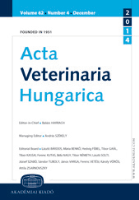
ACTA VETERINARIA HUNGARICA
Connecting researchers to enhance veterinary excellence.ACTA VETERINARIA HUNGARICA is a prestigious academic journal published by AKADEMIAI KIADO ZRT, dedicated to the diverse field of veterinary science. With a history spanning over three decades since its inception in 1983, this journal provides a platform for the dissemination of high-quality research, clinical studies, and reviews that contribute to advancing knowledge in veterinary medicine and animal health. Based in Hungary, it has built a respectable reputation, reflected in its Scopus ranking, where it occupies the 84th position out of 194 in the General Veterinary category, placing it within the 56th percentile. Although the journal is not open access, it continues to attract a global audience of researchers, professionals, and students who are keen on exploring advancements in veterinary science as it converges towards its upcoming year of 2024. Readers will find valuable insights that foster innovation and improve animal care practices across various settings, making ACTA VETERINARIA HUNGARICA an essential resource for anyone involved in the veterinary field.
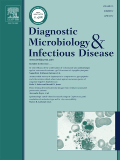
DIAGNOSTIC MICROBIOLOGY AND INFECTIOUS DISEASE
Driving Excellence in Infectious Disease SolutionsDIAGNOSTIC MICROBIOLOGY AND INFECTIOUS DISEASE, published by Elsevier Science Inc, is a leading journal in the fields of Infectious Diseases, Microbiology, and Medicine. Since its inception in 1983, this esteemed journal has consistently provided a platform for original research and comprehensive reviews that advance the understanding of diagnostic microbiology and its implications for infectious diseases. With an impressive impact factor placing it in the Q2 category in multiple relevant fields as of 2023, it stands out with Scopus rankings reinforcing its significance in academia, ranking #136 out of 344 in Infectious Diseases and #64 out of 140 in Medical Microbiology. This journal is essential for researchers, healthcare professionals, and students who seek to stay abreast of the latest developments and trends in infectious diagnostics. DIAGNOSTIC MICROBIOLOGY AND INFECTIOUS DISEASE is committed to fostering excellence in research quality and academic rigor, ensuring accessibility to vital knowledge for addressing some of the most pressing health challenges of our time.
BMC Research Notes
Catalyzing Knowledge in Molecular Biology and MedicineBMC Research Notes, published by SPRINGERNATURE, is a leading open-access journal dedicated to the dissemination of research notes across various disciplines, particularly within the fields of biochemistry, genetics, molecular biology, and medicine. Since its establishment in 2008, the journal has embraced a mission to facilitate the rapid publication of short, concise articles that contribute significantly to ongoing scientific dialogues. With an impact factor reflective of its reputation, BMC Research Notes ranks Q2 in Biochemistry, Genetics and Molecular Biology and holds a commendable Q3 classification in Medicine for 2023. Notably, the journal's Scopus rankings highlight its prominence, especially in General Medicine, where it stands in the 77th percentile. Situated in the United Kingdom, the journal prioritizes open access to foster transparency and engagement with a global audience, making it an essential resource for researchers, practitioners, and students who are looking to stay abreast of new findings and practical advancements within their fields. The journal continues to span evolving research themes from 2008 to 2024, ensuring a dynamic repository of knowledge in the rapidly advancing landscape of biomedical research.
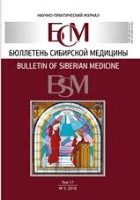
Byulleten Sibirskoy Meditsiny
Bridging Research and Clinical Practice in Molecular MedicineByulleten Sibirskoy Meditsiny, published by the Siberian State Medical University, is a pivotal open-access journal in the field of Molecular Medicine, with its current edition indexed under the ISSN 1682-0363. Since its transition to open access in 2013, the journal aims to disseminate high-quality research and advancements in biomedical sciences, particularly focusing on molecular mechanisms and therapeutic interventions. Despite its relatively recent recognition in Molecular Medicine, where it ranks in the 6th percentile, the journal is dedicated to fostering knowledge exchange and collaboration among researchers, professionals, and students alike. With a modest impact factor and quarterly publication, Byulleten Sibirskoy Meditsiny is positioned to serve as a valuable resource for those engaged in the intricate realms of molecular biology, biochemistry, and general medicine, contributing to the broader scientific discourse in the Russian Federation and beyond.
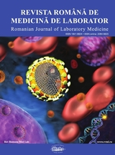
Revista Romana de Medicina de Laborator
Fostering Excellence in Medical Laboratory ResearchRevista Romana de Medicina de Laborator is a prominent open-access journal published by SCIENDO, dedicated to the field of medical laboratory technology and biochemistry. Since its inception, this journal has been a vital platform for disseminating research findings and advancements in laboratory medicine. With an ISSN of 1841-6624 and E-ISSN 2284-5623, it has served the academic community since 2008 and has embraced an open-access model since 2013, ensuring that valuable research is accessible to all. While it features niche rankings in Scopus for areas such as Medical Laboratory Technology and Clinical Biochemistry, it consistently strives to engage researchers, professionals, and students. Its rich collection of articles highlights innovative techniques and methodologies, supporting the ongoing development of laboratory practices. Although its coverage in Scopus has been discontinued, the journal continues to publish high-quality studies that contribute significantly to the field, fostering knowledge exchange essential for advancing medical science.