
Cancers
Scope & Guideline
Connecting researchers for a cancer-free future.
Introduction
Aims and Scopes
- Cancer Biology and Mechanisms:
Research focusing on the molecular and cellular mechanisms of cancer development, progression, and metastasis, including studies on tumor microenvironment, signaling pathways, and genetic alterations. - Clinical Oncology and Therapeutics:
Clinical studies evaluating the efficacy and safety of various treatment modalities such as chemotherapy, immunotherapy, targeted therapies, and surgical interventions. - Biomarkers and Diagnostics:
Investigation of biomarkers for early detection, prognosis, and treatment response in various cancers, including liquid biopsies and advanced imaging techniques. - Epidemiology and Public Health:
Research addressing cancer epidemiology, risk factors, health disparities, and the impact of lifestyle and environmental factors on cancer incidence and outcomes. - Pediatric Oncology:
Studies specifically focused on cancers affecting children and adolescents, including treatment strategies, outcomes, and survivorship issues. - Translational Research:
Research that bridges laboratory findings with clinical application, focusing on how basic science discoveries can inform and improve patient care. - Palliative and Supportive Care:
Research on improving quality of life for cancer patients through palliative care strategies, symptom management, and psychosocial support.
Trending and Emerging
- Immunotherapy and Combination Treatments:
There is a marked increase in studies exploring immunotherapeutic approaches, particularly in combination with other treatment modalities, highlighting their potential for improving outcomes in various cancer types. - Liquid Biopsy and Molecular Diagnostics:
Emerging research on liquid biopsies for non-invasive cancer detection and monitoring, particularly through the analysis of circulating tumor DNA (ctDNA), is gaining momentum. - Artificial Intelligence and Machine Learning in Oncology:
A growing trend in the application of artificial intelligence and machine learning techniques to improve diagnostics, treatment planning, and prognostic predictions in cancer care. - Cancer Microenvironment and Metabolism:
Increased focus on understanding the tumor microenvironment's role in cancer progression and the metabolic adaptations of cancer cells, which could lead to novel therapeutic targets. - Personalized and Precision Medicine:
Emerging interest in tailoring cancer treatment based on individual patient profiles, including genetic and molecular characteristics, to enhance therapy efficacy and minimize adverse effects. - Psycho-Oncology and Patient-Centered Care:
A rising emphasis on the psychosocial aspects of cancer treatment, including mental health support and the impact of cancer on quality of life, reflecting a more holistic approach to patient care.
Declining or Waning
- Traditional Chemotherapy Studies:
There is a noticeable decline in studies solely focused on traditional chemotherapy regimens without the integration of newer therapeutic approaches or personalized medicine strategies. - Basic Laboratory Research:
A waning emphasis on purely laboratory-based studies that do not directly translate to clinical applications or patient outcomes, as the journal increasingly prioritizes translational and clinical research. - Single-Agent Therapy Trials:
Fewer studies are focusing on single-agent therapies, as there is a growing trend towards combination therapies and multi-modal treatment strategies that show enhanced efficacy. - Epidemiological Studies without Novel Insights:
Research that merely reiterates established epidemiological trends without providing new insights or implications for cancer prevention and control strategies is becoming less common.
Similar Journals
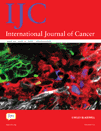
INTERNATIONAL JOURNAL OF CANCER
Advancing cancer research for a healthier tomorrow.INTERNATIONAL JOURNAL OF CANCER, published by Wiley, stands as a premier platform for the dissemination of cutting-edge research in the fields of cancer research and oncology. With an impressive impact factor reflecting its rigorous peer-review process and significant contribution to the scientific community, this journal is categorized in Q1 for both Cancer Research and Oncology as of 2023. It boasts notable rankings, being placed 38th among 404 journals in Medicine - Oncology and 32nd among 230 in Biochemistry, Genetics, and Molecular Biology - Cancer Research, positioning it within the 90th and 86th percentiles, respectively. Since its inception in 1966 and continuing to 2024, the journal has played a pivotal role in advancing our understanding of cancer biology, treatment modalities, and innovative therapeutic approaches. While it operates under a subscription model, the journal is committed to making valuable research accessible to a broader scientific audience. Researchers, professionals, and students alike will find the INTERNATIONAL JOURNAL OF CANCER an essential resource for staying abreast of the latest advancements in cancer science.
Cancer Reports
Empowering oncology through open access insights.Cancer Reports, published by WILEY, is an esteemed open-access journal dedicated to the field of oncology and cancer research. With a focus on disseminating impactful research findings since its transition to fully open access in 2021, Cancer Reports aims to facilitate knowledge sharing among researchers, clinicians, and healthcare professionals globally. The journal is positioned within the Q3 quartile for both Cancer Research and Oncology categories as of 2023, reflecting its commitment to quality and relevance in a competitive publishing landscape. With an ISSN of N/A and an E-ISSN of 2573-8348, the journal showcases studies across diverse aspects of cancer biology, treatment modalities, and patient care strategies. Located in the United Kingdom at 111 River St, Hoboken 07030-5774, NJ, Cancer Reports strives to contribute to the advancement of cancer research and improve health outcomes for patients worldwide, making it a pivotal platform for scholars and practitioners in the oncology community.
Lung Cancer-Targets and Therapy
Transforming Knowledge into Effective TreatmentsLung Cancer - Targets and Therapy, published by Dove Medical Press Ltd, serves as a pivotal Open Access journal dedicated to advancing knowledge and research in the field of oncology, specifically focusing on lung cancer. Since its inception in 2010, this journal has provided a platform for disseminating high-quality research articles, reviews, and clinical studies, thereby enhancing the understanding of lung cancer mechanisms, therapies, and clinical outcomes. Currently ranked in the Q2 quartile within the oncology category and positioned at rank #80 out of 404 in Scopus, it resides in the 80th percentile of its field, reflecting its significant impact and relevance. With a commitment to promoting innovative therapies and strategies, Lung Cancer - Targets and Therapy is an essential resource for researchers, healthcare professionals, and students eager to contribute to the evolving landscape of cancer treatment and research.

Cancer Medicine
Connecting global minds for impactful cancer research.Cancer Medicine is a leading open access journal published by WILEY, focusing on innovative research and advancements in the fields of Cancer Research, Oncology, and Radiology, with an impressive impact evidenced by its 2023 Q2 ranking in Cancer Research and Q1 rankings in both Oncology and Radiology, Nuclear Medicine and Imaging. With an ISSN of 2045-7634, this journal has been committed to disseminating pivotal findings since its inception in 2012, serving as a vital platform for researchers, practitioners, and students alike. The journal proudly embodies the spirit of open access, ensuring that groundbreaking cancer research is accessible to a global audience. Located in the United Kingdom, it spans a wide array of topics, promising comprehensive insights into cancer therapies, molecular mechanisms, and imaging techniques, thereby significantly contributing to the enhancement of cancer care and treatment outcomes. Researchers interested in exploring the latest advancements in cancer medicine will find this journal an indispensable resource.
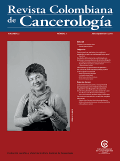
Revista Colombiana de Cancerologia
Transforming Cancer Treatment with Cutting-edge ResearchRevista Colombiana de Cancerologia is a premier journal dedicated to advancing the field of oncology in Colombia and beyond. Published by the Instituto Nacional de Cancerología, this journal serves as a vital platform for the dissemination of high-quality research, comprehensive reviews, and innovative methodologies pertinent to cancer research and treatment. With an ISSN of 0123-9015 and E-ISSN 2346-0199, it aims to engage a diverse audience, including researchers, healthcare professionals, and students, fostering collaboration and knowledge sharing within the oncology community. Although specific metrics such as impact factors and H-index are currently unavailable, the journal is committed to maintaining high academic standards and encouraging open access to vital oncological insights. The Revista Colombiana de Cancerologia is positioned as an essential resource for those interested in the latest advancements in cancer care, prevention, and research methodologies, making significant contributions to the understanding and management of cancer.
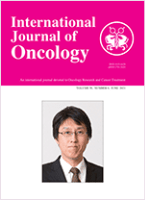
INTERNATIONAL JOURNAL OF ONCOLOGY
Connecting researchers and clinicians in the fight against cancer.INTERNATIONAL JOURNAL OF ONCOLOGY is a leading academic publication dedicated to advancing the field of cancer research and treatment. Published by SPANDIDOS PUBL LTD in Greece, this journal, with ISSN 1019-6439 and E-ISSN 1791-2423, has established itself as a reputable source of peer-reviewed articles since its inception in 1993. With an impressive Q2 ranking in both Cancer Research and Oncology categories, as well as high Scopus ranks reflecting its significant contribution to the fields of Medicine and Biochemistry, the journal offers a platform for researchers, clinicians, and students alike to disseminate their findings and engage in dialogue surrounding innovative practices and breakthroughs. Although the journal follows a traditional subscription model, it continues to attract a diverse readership interested in the latest developments in oncological research, providing essential insights into cancer biology, therapeutics, and patient care. With a commitment to excellence, the INTERNATIONAL JOURNAL OF ONCOLOGY plays a vital role in shaping the future of oncology research and is a must-read for anyone passionate about advancing cancer treatment and prevention.
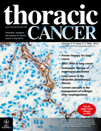
Thoracic Cancer
Connecting researchers to combat thoracic cancer.Thoracic Cancer is a distinguished open-access journal published by WILEY, dedicated to advancing the field of thoracic oncology. Since its establishment in 2010, the journal has emerged as a crucial platform for the dissemination of innovative research and clinical studies relating to lung cancer and other thoracic malignancies. With a commendable impact reflected in its 2023 Q2 rankings in the categories of Medicine (Miscellaneous), Oncology, and Pulmonary and Respiratory Medicine, the journal features high-quality articles that are vital for researchers, clinicians, and students aspiring to enhance their understanding of thoracic cancers. Operating out of Australia, Thoracic Cancer has embraced a commitment to open access since 2015, ensuring that vital research is readily available to a global audience. The journal's rigorous peer-review process and emphasis on novel findings make it an indispensable resource for professionals seeking to stay at the forefront of this rapidly evolving field.
CANCER AND METASTASIS REVIEWS
Illuminating Pathways in Oncology and MetastasisCancer and Metastasis Reviews, published by Springer, is a leading journal in the field of oncology and cancer research. With an impressive impact factor placing it in the Q1 category for both Cancer Research and Oncology as of 2023, this journal is ranked 29th out of 404 in Medicine, Oncology, and 22nd out of 230 in Biochemistry, Genetics, and Molecular Biology, reflecting its significant influence and prestige in the academic community. Established in 1982, the journal covers a wide spectrum of topics related to the mechanisms of cancer progression and metastasis, making it an essential resource for researchers, healthcare professionals, and students dedicated to understanding and tackling cancer. Although the journal does not provide open access options, the impactful research it publishes contributes to advances in therapeutic strategies and enhances the collective knowledge surrounding cancer pathophysiology. With research converging from 1982 to 2024, Cancer and Metastasis Reviews continues to be a vital platform for disseminating high-quality scientific information in the ever-evolving landscape of cancer research.
Cancer Cell International
Unveiling Innovations in Cancer BiologyCancer Cell International, published by BMC, is a transformative open-access journal established in 2001, dedicated to advancing the field of oncology and cancer research. With its ISSN number not specified and an E-ISSN of 1475-2867, the journal proudly operates from the United Kingdom, located at CAMPUS, 4 Crinan St, London N1 9XW, England. Renowned for its rigorous peer-review process, Cancer Cell International has made significant strides, securing a Q2 ranking in Cancer Research and Q1 rankings in both Genetics and Oncology as of 2023. It ranks impressively in Scopus, featuring in the top quintile of Genetics (#37/347) and Oncology (#52/404), indicating its importance within the scientific community. The journal's broad scope caters to a diverse array of topics within cancer biology, making it an invaluable resource for researchers, professionals, and students seeking to stay at the forefront of cancer science. With a commitment to disseminating high-quality research, Cancer Cell International invites scholars to explore innovative findings and contribute to the collective effort of combating cancer.
CURRENT PROBLEMS IN CANCER
Advancing Oncology: Addressing Today’s Challenges in Cancer ResearchCURRENT PROBLEMS IN CANCER is an esteemed journal published by MOSBY-ELSEVIER, dedicated to advancing the field of oncology and cancer research. With an ISSN of 0147-0272 and an E-ISSN of 1535-6345, it has been a vital resource for over four decades, converging years of expertise from 1976 to 2024. The journal is recognized for its impactful contribution to the field, currently holding a Q3 ranking in Cancer Research and a Q2 ranking in Oncology, reflecting its importance in disseminating significant advancements and discussions in the field. It is ranked #164 out of 404 in Medicine _ Oncology and #131 out of 230 in Biochemistry, Genetics and Molecular Biology _ Cancer Research on Scopus, indicating its relevance and reach among academic circles. Although it does not offer open access, the journal remains a crucial platform for researchers and professionals seeking to explore contemporary issues in cancer treatment and management. With its commitment to quality and innovation, CURRENT PROBLEMS IN CANCER serves as an essential conduit for knowledge sharing and research development in oncology and cancer science.