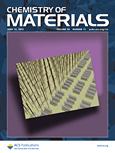
CHEMISTRY OF MATERIALS
metrics 2024
Exploring Innovative Pathways in Chemistry
Introduction
Chemistry of Materials, published by the American Chemical Society, stands at the forefront of innovative research in the disciplines of chemical engineering, materials science, and chemistry. With an impressive impact factor, this esteemed journal is recognized globally, having achieved Q1 rankings in three significant categories for 2023: Chemical Engineering, Materials Chemistry, and General Chemistry. This positions the journal in the top tier of academic publications, reflecting its influence and rigor in advancing the field. Since its inception in 1989, Chemistry of Materials has been a platform for groundbreaking studies, contributing essential insights and discoveries that shape modern materials science. While currently not an open-access journal, it remains an invaluable resource for researchers, professionals, and students seeking to explore cutting-edge materials research and applications. Its well-curated collection of articles underscores the journal's commitment to enhancing understanding and promoting innovations in material chemistry and its associated fields.
Metrics 2024
 2.427.208.40424
Metrics History
Rank 2024
Scopus
IF (Web Of Science)
JCI (Web Of Science)
Quartile History
Similar Journals
MATERIALS CHEMISTRY AND PHYSICS
Fostering Excellence in Materials Characterization and ApplicationsMATERIALS CHEMISTRY AND PHYSICS is a leading peer-reviewed journal published by Elsevier Science SA, focusing on the intersection of materials science and condensed matter physics. With an esteemed impact factor and a distinguished reputation in its field, this journal holds a Q1 ranking in Condensed Matter Physics and a Q2 ranking in miscellaneous Materials Science categories as of 2023. Spanning over three decades since its inception in 1983, it provides a vital platform for researchers, professionals, and students to disseminate cutting-edge findings and innovations in materials characterization, properties, and applications. The journal is indexed in Scopus, boasting impressive rankings that reflect its commitment to publishing high-quality research. Although it does not currently offer an Open Access option, it remains an essential resource for those seeking to stay at the forefront of materials chemistry and physics.
CHEMPHYSCHEM
Unveiling the Complex Interactions of Matter and EnergyCHEMPHYSCHEM, published by WILEY-V C H VERLAG GMBH in Germany, stands as a pivotal resource for researchers and professionals in the fields of Atomic and Molecular Physics, as well as Physical and Theoretical Chemistry. With a commendable impact across its converged years from 2000 to 2024, the journal is categorized in the second quartile (Q2) for both aforementioned fields according to the 2023 metrics, underscoring its significance in advancing scientific dialogue and research. CHEMPHYSCHEM is committed to disseminating high-quality, peer-reviewed research articles that delve into the intricate interplay between chemistry and physics, making it an essential read for students and experts alike. The journal does not currently offer open access options, allowing for focused scholarly discussions that cater to the academic community's needs. As reflected in its Scopus rankings, CHEMPHYSCHEM maintains respectable standings, ranking #84/224 and #90/189 in its respective categories, demonstrating its commitment to high-impact research and innovation.

Materials Research Express
Delivering impactful insights in the realm of materials science.Materials Research Express is a leading open-access journal published by IOP Publishing Ltd, situated in the United Kingdom. Since its establishment in 2014, the journal has become an essential platform for researchers and professionals in the field of materials science, spanning several critical domains including biomaterials, metals and alloys, polymers, and electronic materials. With an open-access model adopted in 2020, Materials Research Express ensures that cutting-edge research is accessible to a global audience, enriching the dissemination of knowledge within the scientific community. The journal boasts impressive Scopus rankings, with a commendable position in various categories, such as 45th in Metals and Alloys and 51st in Surfaces, Coatings, and Films. This positions it well in the competitive landscape of materials science, fostering innovative discussions on material properties and applications. As the field continues to evolve, Materials Research Express aims to provide high-quality research and insights that address contemporary challenges and emerging technologies, making it an indispensable resource for academics and industry professionals alike.
Small Structures
Illuminating the complexities of small-scale structures.Small Structures, published by WILEY, is a pioneering open access journal launched in 2023, dedicated to advancing research and innovation across multidisciplinary fields including Environmental Science, Engineering, Materials Science, Chemistry, and Energy. With a commendable impact reflected in its Scopus rankings—holding the 5th position in Environmental Science and 6th in Engineering, among others—the journal facilitates the dissemination of high-quality, peer-reviewed research that drives scientific progress. It operates under an open access model, ensuring that vital insights and findings are freely accessible to researchers, professionals, and students alike, fostering collaboration and advancements in small-scale structures and their applications. Located in Hoboken, NJ, Small Structures not only aims to enrich the understanding of complexities within materials and their environmental impacts but also aspires to serve as a critical resource for the global scientific community.
Accounts of Materials Research
Empowering researchers with cutting-edge insights.Accounts of Materials Research is a premier journal published by the American Chemical Society, focusing on the multidimensional field of materials science. With a robust impact factor and a commitment to open-access research, it serves as a vital platform for leading-edge discoveries from 2020 to 2024. The journal has rapidly ascended to the top quartile in multiple categories, including Chemical Engineering, Materials Chemistry, and Polymers and Plastics, demonstrating its significant influence within the academic community. Recognized by Scopus as a key resource—with remarkable rankings that place it in the 95th percentile of its field—Accounts of Materials Research is devoted to publishing high-quality, innovative research that addresses critical challenges in materials development and implementation. This journal is essential for researchers, professionals, and students seeking to stay informed about the latest advancements and collaborative opportunities within the interdisciplinary landscape of materials science.
APPLIED CLAY SCIENCE
Unveiling the Secrets of Clay for a Sustainable FutureAPPLIED CLAY SCIENCE, published by Elsevier, is a leading international journal dedicated to the dissemination of high-quality research in the fields of geochemistry, geology, soil science, and water science and technology. With its ISSN 0169-1317 and E-ISSN 1872-9053, this peer-reviewed journal has been an essential resource for researchers since its inception in 1985 and is set to continue its impactful journey through 2024. Recognized for its significant contributions, it proudly holds a Q1 ranking in multiple categories according to the latest assessments, including Geochemistry and Petrology, and Geology, ranking 5th and 10th respectively in Scopus. This journal serves as a vital platform for the advancement of knowledge surrounding clay science, exploring both fundamental and applied research that addresses contemporary challenges in environmental and geological sciences. Whether accessed via institutional subscriptions or individual purchase, APPLIED CLAY SCIENCE is dedicated to fostering an open dialogue among scientists, professionals, and educators in the discipline.

CHINESE JOURNAL OF STRUCTURAL CHEMISTRY
Pioneering Research in Chemical StructuresThe CHINESE JOURNAL OF STRUCTURAL CHEMISTRY, published by Elsevier, stands as a vital resource in the field of structural chemistry, notably contributing to the advancement of knowledge since its inception in 1996. With its ISSN 0254-5861 and E-ISSN 0254-5861, the journal has established a firm reputation, garnering a Q2 ranking in the 2023 Chemistry (miscellaneous) category, which highlights its influence in the academic community (rank #155/408, 62nd percentile in Scopus). This journal serves as an invaluable platform for researchers and professionals by disseminating high-quality research findings, theoretical studies, and applied methodologies that address both fundamental aspects and emerging trends in structural chemistry. With contributions from distinguished scholars, it aims to foster innovation and collaboration, while providing a space for novel discoveries in the field. Although it does not currently offer Open Access, its robust content continues to attract a diverse readership eager to engage with cutting-edge scientific developments.
CCS Chemistry
Empowering Global Chemistry Research Without BarriersCCS Chemistry, published by the esteemed Chinese Chemical Society, is a leading open-access journal dedicated to advancing the field of chemistry. Since its inception in 2019, the journal has rapidly gained recognition, achieving a remarkable impact factor that places it in the prestigious Q1 category in Chemistry (Miscellaneous) as of 2023. With a Scopus ranking of #41 out of 408 in General Chemistry, CCS Chemistry represents the top 10th percentile in its category, reflecting its commitment to high-quality research and innovation. The journal serves as a vital platform for researchers and professionals to share their findings, showcase cutting-edge methodologies, and engage with the latest developments in various chemistry subfields. Accessible to a global audience, CCS Chemistry ensures that groundbreaking research is available without barriers, making it an indispensable resource for students and academics aiming to stay at the forefront of chemical sciences. For further details, submissions, and access to published articles, please visit the journal's website.

New Materials Compounds and Applications
Pioneering Discoveries in Analytical and Organic ChemistryNew Materials Compounds and Applications is a pioneering journal published by JOMARD PUBLISHING, focusing on the latest advancements in materials science, particularly in the realms of analytical, inorganic, and organic chemistry. Since its inception in 2019, this journal has quickly established itself as a valuable resource for researchers and professionals seeking to explore innovative compounds and their applications across various fields. With an ISSN of 2521-7194 and an E-ISSN of 2523-4773, New Materials Compounds and Applications is indexed in Scopus, demonstrating its scholarly impact, albeit currently positioned in the Q3 and Q4 quartiles for several chemistry categories. The journal serves as a platform for disseminating research findings and fostering collaboration among scientists in Azerbaijan and beyond. Although it operates under a traditional access model, the journal aims to bridge the gap between theoretical studies and practical applications, making it essential reading for students and professionals looking to stay updated in the dynamic landscape of materials chemistry.
Materials Today Nano
Leading the Charge in Interdisciplinary Nano-Materials InnovationMaterials Today Nano, published by Elsevier, is a premier academic journal dedicated to the forefront of nano-materials research, encompassing innovations and advancements in biomaterials, condensed matter physics, electronic, optical, and magnetic materials, as well as materials chemistry. With an impressive Q1 ranking across multiple categories, including biomaterials and materials chemistry, this journal serves as a essential platform for researchers, professionals, and students aiming to contribute to and stay informed on cutting-edge developments that push the boundaries of materials science. Its open access model allows for wider dissemination of high-impact findings, ensuring that the research reaches a global audience. Operating from the United Kingdom, Materials Today Nano plays a vital role in fostering interdisciplinary collaboration and advancing scientific understanding in this rapidly evolving field.