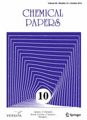
CHEMICAL PAPERS
metrics 2024
Fostering Academic Excellence in Chemical Disciplines
Introduction
Chemical Papers is a distinguished scientific journal published by Springer International Publishing AG, catering to the fields of Biochemistry, Chemical Engineering, and Materials Chemistry. With an ISSN of 0366-6352 and an E-ISSN of 2585-7290, this journal has been a pivotal platform for the dissemination of research findings since its inception in 1973. Over the years, it has maintained a strong academic presence, as evidenced by its Q2 and Q3 rankings in several pertinent categories as of 2023, including Chemical Engineering and Industrial and Manufacturing Engineering. Although the journal is not currently Open Access, it remains an invaluable resource for researchers and professionals across its scope, promoting the advancement of knowledge in chemical sciences and fostering innovation within the industry. The publication is headquartered in Cham, Switzerland, contributing to a global dialogue on chemical research and its applications.
Metrics 2024
 0.382.102.0054
Metrics History
Rank 2024
IF (Web Of Science)
JCI (Web Of Science)
Quartile History
Similar Journals
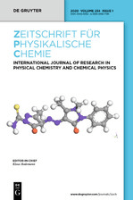
ZEITSCHRIFT FUR PHYSIKALISCHE CHEMIE-INTERNATIONAL JOURNAL OF RESEARCH IN PHYSICAL CHEMISTRY & CHEMICAL PHYSICS
Advancing the Frontiers of Chemical ScienceZEITSCHRIFT FUR PHYSIKALISCHE CHEMIE-INTERNATIONAL JOURNAL OF RESEARCH IN PHYSICAL CHEMISTRY & CHEMICAL PHYSICS, published by WALTER DE GRUYTER GMBH, is a highly regarded platform for researchers in the field of physical chemistry and chemical physics. With an ISSN of 0942-9352 and an E-ISSN of 2196-7156, this journal serves as a vital resource for the dissemination of original research, critical reviews, and insightful discussions that span theoretical and experimental investigations. Recognized for its quality, it holds a Q2 classification within the 2023 quartiles of Physical and Theoretical Chemistry and ranks 72nd out of 189 in the Scopus database, placing it in the 62nd percentile. The journal’s extensive publication history, originating from 1943, showcases its long-standing commitment to advancing the understanding of complex chemical phenomena. Although it currently does not offer open-access options, it continues to attract contributions from leading experts worldwide, making it essential reading for professionals, researchers, and students dedicated to pushing the frontiers of chemical science. The journal is located in Berlin, Germany, at Genthiner Strasse 13, D-10785 Berlin, Germany.
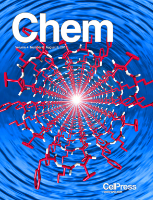
Chem
Empowering Global Access to Chemical KnowledgeChem, published by CELL PRESS, is a renowned academic journal that has rapidly established itself as a leading platform for cutting-edge research in diverse areas such as biochemistry, chemical engineering, materials chemistry, and environmental chemistry. Released under the ISSN 2451-9294, this esteemed journal has achieved an impressive Q1 category ranking across multiple disciplines in 2023, highlighting its significant impact and prominence within the academic community. With a strong focus on innovative studies and interdisciplinary approaches, Chem fosters a vibrant dialogue among researchers, professionals, and students, making it an indispensable resource for those seeking to advance their knowledge and contribute to the evolving field of chemistry. As an open access journal, it aims to democratize knowledge, ensuring that critical research is accessible to a global audience. With its headquarters based in Cambridge, MA, it continues to lead the charge in the dissemination of pivotal findings that shape our understanding of chemical sciences.
Journal of the Iranian Chemical Society
Advancing Chemistry Through Innovative ResearchThe Journal of the Iranian Chemical Society, published by SPRINGER, is a prominent academic journal dedicated to advancing the field of chemistry. With an ISSN of 1735-207X and an E-ISSN of 1735-2428, this quarterly journal has been contributing valuable research from 2006 to 2024. Situated in Germany, it serves as a vital platform for chemists and researchers to disseminate their findings, particularly within the miscellaneous chemistry category, where it ranks in the Q3 quartile for 2023. Despite its current lack of open access options, the journal maintains a solid presence in the academic community, evidenced by its Scopus ranking of #165 out of 408 in general chemistry and a commendable 59th percentile. The journal's objective aims to foster innovation and collaboration in chemical research, making it an essential resource for professionals and students keen on pioneering developments in the field. As a subscriber, you will gain insights into cutting-edge research that drives the future of chemistry.

RSC Advances
Fostering Collaboration for a Brighter Scientific FutureRSC Advances, published by the Royal Society of Chemistry, is a leading open-access journal that has been a prominent platform for cutting-edge research since its inception in 2011. Recognized globally for its rigorous peer-review process, RSC Advances serves the dynamic fields of Chemical Engineering and Chemistry, holding prestigious rankings within the top quartile of academic journals in both areas. With its impact factor reflecting a growing influence, the journal currently occupies the Q1 category in Chemical Engineering and Q2 in Chemistry as of 2023. Researchers and professionals will find RSC Advances an essential resource for innovative studies and applications that advance scientific knowledge. Additionally, as an open access journal since 2017, it affords wider visibility and accessibility to groundbreaking research, fostering collaboration and engagement in the scientific community. Situated in Cambridge, UK, RSC Advances remains committed to its objective of disseminating high-quality research that catalyzes progress across various disciplines.
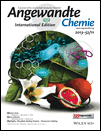
ANGEWANDTE CHEMIE-INTERNATIONAL EDITION
Pioneering Discoveries in Chemistry and EngineeringANGEWANDTE CHEMIE-INTERNATIONAL EDITION, published by WILEY-V C H VERLAG GMBH, stands as a leading journal in the fields of Chemistry and Catalysis, holding a prestigious position with a Q1 ranking in both categories as of 2023. With an ISSN of 1433-7851 and an E-ISSN of 1521-3773, this esteemed publication has been an invaluable resource for the global scientific community since its inception in 1962. The journal's impact is further underscored by its remarkable Scopus rankings, where it occupies the 13th place among 408 journals in General Chemistry and the 4th place among 68 in Chemical Engineering - Catalysis, marking it in the 96th and 94th percentiles, respectively. Although it does not offer Open Access, ANEWANDTE CHEMIE-INTERNATIONAL EDITION remains essential for researchers, professionals, and students seeking to stay abreast of cutting-edge developments and innovations in chemical sciences. Its comprehensive scope and rigorous peer-review process ensure that only the highest quality research finds its way to publication, contributing significantly to the advancement of chemistry worldwide.
Moroccan Journal of Chemistry
Innovating Chemistry Research Through Open Access Excellence.Moroccan Journal of Chemistry, published by the University Mohammed Premier Oujda, serves as a pivotal platform for researchers and professionals in the field of chemistry, particularly focusing on diverse and emerging areas within the discipline. Established in 2018, this open-access journal facilitates widespread dissemination of scholarly articles, ensuring that cutting-edge research reaches a global audience. With an ISSN of 2351-812X and categorized in the Q3 quartile for miscellaneous chemistry in 2023, the journal maintains rigorous peer-review standards while fostering an inclusive environment for scientific dialogue. Located in Morocco, it aims to bridge local and international research communities, contributing to the advancement of knowledge in chemistry. As it continues to grow, the Moroccan Journal of Chemistry remains an essential resource for students, educators, and professionals eager to stay abreast of the latest developments in the field.
RUSSIAN CHEMICAL BULLETIN
Fostering Collaboration in the World of Chemical Science.RUSSIAN CHEMICAL BULLETIN, published by SPRINGER, serves as a pivotal resource in the field of general chemistry, covering a wide array of topics that impact both theoretical and applied chemistry. With an ISSN of 1066-5285 and a presence since 1993, this journal provides a platform for disseminating significant research findings, practical applications, and novel methodologies within the broader chemistry community. While it currently holds a Q3 ranking in the Chemistry (miscellaneous) category and occupies the 230th position out of 408 in the Scopus rankings, its reputation continues to grow, fostering collaboration and innovation among researchers and professionals alike. Although the journal does not offer an open-access model, it is committed to making findings accessible within the academic community, ensuring that valuable insights can inform future research. With an anticipated convergence of studies extending to 2024, the RUSSIAN CHEMICAL BULLETIN remains an essential reference for those dedicated to advancing chemical science.
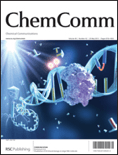
CHEMICAL COMMUNICATIONS
Illuminating the pathways of chemical innovation.Chemical Communications, published by the esteemed Royal Society of Chemistry, is a prominent journal within the field of chemical science, focusing on the dissemination of cutting-edge research in a variety of sub-disciplines including catalysis, materials chemistry, and electronic materials. Operating without an open access model, this journal provides critical insights from contributors around the globe, enhancing our understanding of complex chemical interactions and innovative applications. Ranked in the top quartile for several categories such as Ceramics and Composites, and Metals and Alloys, Chemical Communications boasts impressive Scopus rankings, securing strong positions across multiple fields and showcasing its influence within the scientific community. The journal is committed to advancing knowledge and fostering collaboration among researchers, professionals, and students, making it an invaluable resource for those looking to stay abreast of the latest advancements in chemistry and materials science. With a publication history dating back to 1965 and continuing into 2024, its rich archive serves as a vital repository of chemical research and development.
Vietnam Journal of Chemistry
Bridging Knowledge Gaps in Chemical ResearchVietnam Journal of Chemistry, published by WILEY, is a prominent academic journal that serves as a platform for the dissemination of innovative research in the field of chemistry. With its ISSN 0866-7144 and E-ISSN 2572-8288, this journal has made a significant impact on the global scientific community, evidenced by its 2023 Scopus ranking as #274 in the General Chemistry category and a commendable percentile of 32nd. The journal, categorized in the Q3 quartile for miscellaneous chemistry subjects, aims to foster communication among chemists from Vietnam and around the world, encouraging collaboration and the exchange of cutting-edge knowledge. While it currently does not offer Open Access options, the Vietnam Journal of Chemistry is committed to contributing valuable insights from its coverage years spanning from 2018 to 2024, making it a worthy resource for researchers, professionals, and students dedicated to advancing the field of chemistry. Based in the United Kingdom, it stands as a testament to the vibrant research endeavors emerging from Vietnam and beyond.
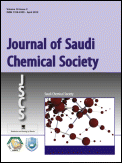
Journal of Saudi Chemical Society
Fostering Global Collaboration in Chemical Research.The Journal of Saudi Chemical Society, published by ELSEVIER, stands as a premier platform for advancing knowledge in the field of chemistry. Since its inception in 2009, this Open Access journal has garnered significant attention, securing a prestigious Q1 ranking in the Chemistry (miscellaneous) category for 2023, reflecting its position among the top journals in the discipline. With an impressive Scopus ranking of #66 out of 408 in General Chemistry, this journal boasts a commendable 83rd percentile, underscoring its impact and relevance in the global research community. The journal aims to disseminate high-quality research articles, reviews, and case studies, fostering innovation and collaboration among chemists and allied professionals. By enabling widespread access to cutting-edge research, the Journal of Saudi Chemical Society plays a crucial role in supporting the educational and professional development of students, researchers, and practitioners alike, making it an essential resource for anyone invested in the dynamic field of chemistry.