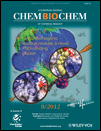
CHEMBIOCHEM
metrics 2024
Exploring the intersection of chemistry and biology.
Introduction
CHEMBIOCHEM is a premier interdisciplinary journal published by WILEY-V C H VERLAG GMBH, dedicated to advancing knowledge in the fields of Biochemistry, Molecular Biology, Molecular Medicine, and Organic Chemistry. With an impactful presence since its inception in 2000 and a convergence through to 2024, the journal has established itself as a vital resource for researchers, professionals, and students alike, evidenced by its notable quartile rankings in 2023—Q2 in Biochemistry, Molecular Biology, and Molecular Medicine, and Q1 in Organic Chemistry. While it does not currently offer Open Access options, CHEMBIOCHEM remains a respected platform for disseminating high-quality research, reflected in its Scopus rankings, where it holds a credible position in various chemistry categories. By fostering innovative studies and discussions, CHEMBIOCHEM aims to contribute to the understanding and advancement of biochemical and molecular principles critical to contemporary science and healthcare.
Metrics 2024
 0.812.602.80142
Metrics History
Rank 2024
Scopus
IF (Web Of Science)
JCI (Web Of Science)
Quartile History
Similar Journals
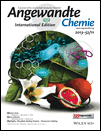
ANGEWANDTE CHEMIE-INTERNATIONAL EDITION
Cutting-edge Insights into Catalysis and ChemistryANGEWANDTE CHEMIE-INTERNATIONAL EDITION, published by WILEY-V C H VERLAG GMBH, stands as a leading journal in the fields of Chemistry and Catalysis, holding a prestigious position with a Q1 ranking in both categories as of 2023. With an ISSN of 1433-7851 and an E-ISSN of 1521-3773, this esteemed publication has been an invaluable resource for the global scientific community since its inception in 1962. The journal's impact is further underscored by its remarkable Scopus rankings, where it occupies the 13th place among 408 journals in General Chemistry and the 4th place among 68 in Chemical Engineering - Catalysis, marking it in the 96th and 94th percentiles, respectively. Although it does not offer Open Access, ANEWANDTE CHEMIE-INTERNATIONAL EDITION remains essential for researchers, professionals, and students seeking to stay abreast of cutting-edge developments and innovations in chemical sciences. Its comprehensive scope and rigorous peer-review process ensure that only the highest quality research finds its way to publication, contributing significantly to the advancement of chemistry worldwide.
Chemical Biology & Drug Design
Elevating the standards of biochemistry and drug development.Chemical Biology & Drug Design, an esteemed publication by WILEY, serves as a vital platform for the dissemination of pioneering research in the interdisciplinary fields of biochemistry, drug discovery, molecular medicine, organic chemistry, and pharmacology. With a dedicated commitment to advancing the understanding of chemical interactions and drug development, this journal not only fosters innovation but also bridges the gap between theoretical research and practical applications. It boasts an impressive impact factor and is recognized in the 2023 category quartiles as Q3 in Biochemistry and Molecular Medicine, and Q2 in Drug Discovery, Organic Chemistry, and Pharmacology, indicating its relevance and influence in these crucial areas. The journal’s rankings across various Scopus categories further solidify its position as a reputable resource for researchers, professionals, and students striving to stay at the forefront of medicinal chemistry and drug design. While primarily traditional access-based, the journal's evolving scope from 2006 to 2024 ensures an ongoing contribution to essential scientific dialogue, making it an indispensable read for those committed to advancing health sciences.
CHEMISTRY & BIODIVERSITY
Fostering Discoveries at the Intersection of Chemistry and Biodiversity.CHEMISTRY & BIODIVERSITY is a prominent peer-reviewed journal published by Wiley-V C H Verlag GmbH, serving as a vital resource in the intersecting fields of biochemistry, bioengineering, and miscellaneous chemistry. With an ISSN of 1612-1872 and an E-ISSN of 1612-1880, this journal has established itself over its converged years from 2004 to 2024 as a platform for innovative research that contributes significantly to the understanding of chemical processes in biological systems. The journal's impact is reflected in its category quartiles, particularly notable in Q2 in Chemistry and various Q3 and Q4 rankings across multiple related disciplines. While it is not an open-access publication, it continues to attract a diverse readership, including researchers, academics, and students, who are keen to explore the complexities of chemistry's role in biodiversity. Through high-quality articles and comprehensive reviews, CHEMISTRY & BIODIVERSITY plays an essential role in fostering advances in molecular biology and biochemistry, positioning itself as a key contributor to the ongoing discourse in the life sciences.
JOURNAL OF ASIAN NATURAL PRODUCTS RESEARCH
Illuminating Paths in Analytical Chemistry and BeyondJOURNAL OF ASIAN NATURAL PRODUCTS RESEARCH is a prestigious publication in the field of natural products, focusing on valuable research spanning analytical chemistry, pharmacology, and complementary medicine. Published by Taylor & Francis Ltd in the United Kingdom, this journal has established itself as a key resource for academics and professionals seeking to explore advancements in drug discovery and organic chemistry. With a converged publication timeline from 1998 to 2024, the journal boasts several commendable category quartiles as of 2023, reflecting its robust standing in the research community: Q2 in Complementary and Alternative Medicine, Q3 in multiple domains including Analytical Chemistry and Organic Chemistry, and Q4 in Molecular Medicine. Although it currently does not offer open access, the journal remains a valuable compendium for empirical research and innovative studies in areas such as pharmacology and medicinal chemistry. Researchers, professionals, and students alike will find the JOURNAL OF ASIAN NATURAL PRODUCTS RESEARCH to be an essential platform for sharing groundbreaking findings and fostering collaborations that lead to significant advancements in science and health.

CHINESE JOURNAL OF CHEMISTRY
Unveiling the complexities of chemistry since 1990.The CHINESE JOURNAL OF CHEMISTRY, published by WILEY-V C H VERLAG GMBH, is a distinguished peer-reviewed journal that has been contributing to the field of chemistry since its inception in 1990. With an impressive Q1 ranking in the Chemistry (miscellaneous) category and a Scopus rank of 67 out of 408, this journal is recognized for its rigorous scholarly standards and significant impact within the academic community. Renowned for publishing high-quality research, reviews, and insightful commentaries, the journal serves as a vital resource for researchers, professionals, and students keen on advancing their understanding of general chemistry and its applications. Although it does not offer open access, the journal remains an essential outlet for innovative chemistry research, attracting contributions from a global network of specialists. With its broad scope covering various aspects of chemistry and a commitment to fostering scientific dialogue, the CHINESE JOURNAL OF CHEMISTRY is poised to continue its role as a central pillar in the ever-evolving landscape of chemical sciences.
CHEMISTRY-A EUROPEAN JOURNAL
Exploring the Depths of Chemical InnovationCHEMISTRY-A EUROPEAN JOURNAL is a premier academic journal published by WILEY-V C H VERLAG GMBH, specializing in the diverse fields of chemistry and catalysis, with a distinguished focus on organic chemistry. Since its inception in 1995, the journal has established itself as an authoritative resource for researchers and professionals, currently classified in Q1 in Chemistry (miscellaneous) and Organic Chemistry, reflecting its high-quality contributions to the scientific community. With an impressive impact factor and robust Scopus rankings—#33 in Organic Chemistry and #26 in Catalysis—this journal serves as a vital platform for disseminating innovative research findings and critical advancements in chemical sciences. Although not an open-access journal, it provides valuable access options for institutions, ensuring wide reach and engagement within the scientific community. As it converges into 2024, CHEMISTRY-A EUROPEAN JOURNAL remains a key resource for anyone dedicated to advancing the frontiers of chemistry research.
CHEMICAL REVIEWS
Your Gateway to Comprehensive Chemical Insights.Chemical Reviews, published by the American Chemical Society, is a leading journal in the field of chemistry, renowned for its comprehensive and authoritative reviews on a wide range of chemical topics. With its ISSN 0009-2665 and E-ISSN 1520-6890, this prestigious journal has maintained a remarkable trajectory since its inception in 1924, continuously contributing to advancements in the chemical sciences. As a Q1 journal in the Chemistry (miscellaneous) category, it stands at the forefront of research, boasting an impressive Scopus rank of #1 out of 408 in the field of General Chemistry, positioning it within the top 1% of the field. Chemical Reviews offers invaluable insights and serves as a critical resource for researchers, professionals, and students alike, facilitating knowledge exchange and fostering innovation in chemistry. While currently not open access, it remains a vital component of the scientific community, gathering an extensive readership base eager for the latest developments, methodologies, and theoretical frameworks in this dynamic discipline.

EGYPTIAN JOURNAL OF CHEMISTRY
Unveiling Innovations in Chemistry and BeyondThe Egyptian Journal of Chemistry, published by the National Information & Documentation Centre (NIDOC), serves as a vital platform for disseminating novel research and advancements in the field of chemistry and its interdisciplinary applications. Established in 2004 and continuing its publication through 2024, this journal encapsulates a diverse range of topics including Biochemistry, Chemical Engineering, and Materials Science, reflected in its respectable Scopus rankings. With an array of Quartile rankings indicating its varying impact across different categories, scholars can benefit from its insights into innovative solutions and methodologies that address pressing scientific challenges. Although it currently does not operate under an open access model, researchers and students are encouraged to leverage its findings as it plays a pivotal role in the academic landscape of Egypt and beyond. For those engaged in chemical research, the Egyptian Journal of Chemistry stands as an essential resource, contributing significantly to the global body of scientific knowledge.
RSC Chemical Biology
Unlocking the Secrets of Life Through Rigorous ResearchRSC Chemical Biology is a prestigious journal published by the Royal Society of Chemistry, providing a significant platform for researchers in the fields of biochemistry, genetics, and molecular biology. Launched in 2020, the journal aims to disseminate high-quality research that bridges the gap between chemistry and biology, promoting interdisciplinary studies and innovations that are essential for advancements in life sciences. With an emerging impact factor and ranking in the top quartile (Q1) for multiple categories such as Biochemistry and Molecular Biology, RSC Chemical Biology holds a prominent position in the academic landscape, evidenced by its Scopus rankings placing it in the top 20% and 30% of its respective fields. Although it does not operate under an open-access model, the journal's commitment to accessibility is reflected in its rigorous peer-review process and its role in shaping future scientific discourse. Research published in this journal is vital for contributing to our understanding of complex biological processes and fostering innovations that can lead to real-world applications.
Cell Chemical Biology
Bridging Disciplines to Transform Life Sciences.Cell Chemical Biology, published by Cell Press, stands at the forefront of interdisciplinary research in the realms of biochemistry, molecular biology, and pharmacology. With a robust impact factor evident in its prestigious Q1 quartile rankings across multiple categories including Clinical Biochemistry and Drug Discovery for 2023, this journal serves as a critical platform for disseminating cutting-edge scientific discoveries. As an Open Access publication, it ensures that vital research is accessible to a wide audience, fostering collaborations and driving innovation in the life sciences. Based in the United States, and featuring publications from 2016 to 2024, Cell Chemical Biology invites researchers, professionals, and students alike to contribute to its mission of advancing knowledge through rigorous peer-reviewed articles that address both fundamental and applied aspects of chemical biology.