CHROMOSOMA
metrics 2024
Connecting Theory and Practice in Genetic Science
Introduction
CHROMOSOMA is a prestigious journal dedicated to advancing the field of genetics, published by Springer in Germany. With an ISSN of 0009-5915 and an E-ISSN of 1432-0886, this journal has been a cornerstone in the publishing landscape since its inception in 1939, serving as a critical resource for researchers and professionals interested in the intricacies of chromosomal biology. Although it operates on a subscription basis, the journal's rigorous peer-review process ensures the dissemination of high-quality research findings. With a commendable Q2 ranking in both genetic and clinical genetics categories as of 2023, CHROMOSOMA aims to bridge theoretical concepts with practical applications in medicine and biology. Researchers will appreciate its relevance, as indicated by its Scopus ranks and integration of diverse topics ranging from molecular genetics to clinical implications. By fostering collaboration and knowledge-sharing among scholars, CHROMOSOMA continues to shape the future of genetic research.
Metrics 2024
 0.822.503.7094
Metrics History
Rank 2024
Scopus
IF (Web Of Science)
JCI (Web Of Science)
Quartile History
Similar Journals
Global Medical Genetics
Connecting Genetics to Personalized MedicineGlobal Medical Genetics is a premier open-access journal dedicated to advancing the field of medical genetics. Published by GEORG THIEME VERLAG KG, this journal has been providing a dynamic platform for disseminating cutting-edge research and clinical findings since its inception in 2020. With the ISSN 2699-9404, it serves as an essential resource for researchers, healthcare professionals, and students who seek to explore the complex interplay between genetics and medicine. The journal aims to foster collaboration and innovation in the genetics community, addressing a diverse range of topics from genetic disorders to the application of genomics in personalized medicine. By providing open access to its content, Global Medical Genetics enhances knowledge sharing and accelerates advancements in healthcare, making it a vital asset for anyone invested in the future of genetics.
CURRENT OPINION IN CELL BIOLOGY
Elevating the Discourse in Cell BiologyCURRENT OPINION IN CELL BIOLOGY, published by CURRENT BIOLOGY LTD, serves as a vital resource for scholars and professionals in the dynamic field of cell biology. With a solid Q1 ranking and impressive Scopus ranking of #33 out of 285 in the category of Cell Biology, this journal is recognized for its high impact and relevance among its peers, boasting an excellent percentile ranking of 88th. Established in 1989, it provides insightful reviews and perspectives that capture the latest developments and emergent trends in cellular research, making it indispensable for those aiming to deepen their understanding of cellular mechanisms and innovations. While the journal does not offer open access, its carefully curated content ensures that subscribers receive top-tier scholarly discourse. Situated in the heart of the United Kingdom, CURRENT OPINION IN CELL BIOLOGY continues to shape the conversation in a field that is critical to advancements in biochemistry, genetics, and molecular biology.
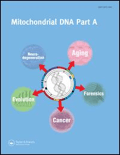
Mitochondrial DNA Part A
Transforming Understanding of Hereditary ConditionsMitochondrial DNA Part A, published by Taylor & Francis Ltd, is a distinguished journal dedicated to the exploration of mitochondrial genetics and its implications for health and disease. With an ISSN of 2470-1394 and an E-ISSN of 2470-1408, this journal serves as an open-access platform, promoting the dissemination of high-quality research in the field. Operating from the United Kingdom, it offers a vital resource for researchers and professionals keen to delve into the rapidly evolving landscape of mitochondrial studies. Although currently ranked Q4 in both the Genetics and Molecular Biology categories, the journal continues to be a valuable outlet for emerging findings that could impact our understanding of cellular processes and hereditary conditions. Researchers can access articles and data covering recent advancements from 2016 through 2022, with ongoing contributions expected in 2024. As the field grows, so too does the importance of this journal as a source of knowledge and collaboration for the academic community.
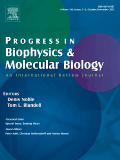
PROGRESS IN BIOPHYSICS & MOLECULAR BIOLOGY
Exploring the molecular intricacies that shape our world.PROGRESS IN BIOPHYSICS & MOLECULAR BIOLOGY is a leading scholarly journal published by PERGAMON-ELSEVIER SCIENCE LTD, focusing on the rapidly advancing fields of biophysics and molecular biology. With a rich history dating back to 1960, this journal has become a pivotal platform for disseminating high-quality research and innovative findings from both established and emerging scientists alike. Leveraging an impressive Q1 ranking in Biophysics and a Q2 ranking in Molecular Biology as of 2023, it stands out in the academic landscape, garnering significant attention and citations. The journal is preeminent in providing researchers with a comprehensive forum to explore the intricate interactions at the molecular level, essential for breakthrough advancements in medicine, biotechnology, and environmental science. Though it does not offer open access, it continues to pursue excellence in publishing with a commitment to advancing knowledge and fostering collaborations across disciplines. As the field evolves, PROGRESS IN BIOPHYSICS & MOLECULAR BIOLOGY remains an invaluable resource for professionals and students aiming to stay at the forefront of biophysics and molecular biology research.
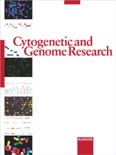
CYTOGENETIC AND GENOME RESEARCH
Connecting researchers to the latest breakthroughs in genetics.CYTOGENETIC AND GENOME RESEARCH is a pivotal journal dedicated to the exploration of cytogenetics, genomics, and their applications within clinical genetics and molecular biology. Published by KARGER in Switzerland, this journal aims to foster comprehensive discussions and disseminate impactful research from diverse fields related to genetics. It operates under an open access model, ensuring that researchers, professionals, and students can easily access and contribute to the latest findings. With coverage spanning from 1962 to 2024, CYTOGENETIC AND GENOME RESEARCH continues to serve as a vital resource, despite its current categorization in the Q4 quartile across Genetics and Molecular Biology. It provides an avenue for advancing the understanding of genomic mechanisms and their implications for human health. The journal encourages submissions that delve into cutting-edge methodologies, data interpretation, and theoretical frameworks, thereby playing a crucial role in the advancement of genetic research and its clinical applications.
CYTOLOGIA
Pioneering Research in Animal and Plant BiologyCYTOLOGIA is a prominent academic journal published by University of Tokyo Cytologia, specializing in the fields of Animal Science, Plant Science, Cell Biology, and Genetics. With origins dating back to 1929, this journal has been at the forefront of cytological research and continues to contribute to advancements in both basic and applied sciences. As of 2023, it holds a respectable position in various Scopus categories, with a Q3 ranking in Animal Science and Zoology and Plant Science, alongside Q4 rankings in Genetics and Cell Biology, reflecting its dedication to quality research dissemination. While currently not an Open Access journal, CYTOLOGIA provides critical insights and findings that are pivotal for researchers, professionals, and students aiming to further their understanding of cytology and its applications in diverse biological fields. With a historical legacy and ongoing relevance, CYTOLOGIA remains a vital resource for anyone engaged in cutting-edge research or seeking comprehensive knowledge in the biological sciences.

GENOME
Connecting Researchers to the Heart of GenomicsGENOME is a leading peer-reviewed journal published by Canadian Science Publishing, dedicated to advancing the field of genetics, biotechnology, and molecular biology. With a strong commitment to disseminating high-quality research, GENOME has earned a reputable spot in the academic community, boasting a Q2 classification in Biotechnology and Medicine (miscellaneous), and a Q3 rank in Genetics and Molecular Biology for 2023. The journal, identified by its ISSN 0831-2796 and E-ISSN 1480-3321, publishes innovative studies that span from 1987 to 2024, ensuring a rich historical context while addressing contemporary challenges in the field. Researchers and professionals are encouraged to contribute and engage with content that shapes the landscape of genetic research. Although the journal does not currently provide open access, it remains a vital resource for those committed to the exploration of genomic sciences, making it an essential read for both seasoned researchers and students alike.

NUCLEUS-INDIA
Empowering researchers with cutting-edge findings in genetics.NUCLEUS-INDIA is a prominent academic journal that delves into the intricate realms of Cell Biology, Genetics, Molecular Biology, and Molecular Medicine. Published by SPRINGER INDIA, this journal has been a reliable source of innovative research since its inception in 2011. With an ISSN of 0029-568X and an E-ISSN of 0976-7975, NUCLEUS-INDIA stands out in the scientific community, functioning as a critical platform for the dissemination of groundbreaking findings and advancements within its fields of study. Despite being categorized in the lower quartiles as of 2023, it remains an important contributor to the literature, providing insights that influence both academic and practical perspectives in genetics and molecular sciences. Researchers, professionals, and students alike can benefit from its diverse array of articles addressing contemporary challenges and innovations. The journal is located at 7th Floor, Vijaya Building, 17, Barakhamba Road, New Delhi 110 001, India, and aims to enhance the scholarly discourse in biology by publishing works that push the boundaries of current understanding.
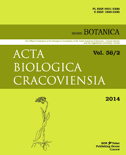
ACTA BIOLOGICA CRACOVIENSIA SERIES BOTANICA
Cultivating knowledge, enriching biodiversity.ACTA BIOLOGICA CRACOVIENSIA SERIES BOTANICA is a distinguished journal published by the Polska Akademia Nauk (Polish Academy of Sciences), with its roots tracing back to 1996. As a pivotal publication in the field of Plant Science, it serves to disseminate high-quality research and findings, contributing to the ongoing development and understanding of biodiversity, plant ecology, and conservation. The journal is indexed under Scopus, ranked #203 out of 516 in its category, placing it in the 60th percentile and firmly within Q3 quartile for Plant Science in 2023. Researchers, professionals, and students will find invaluable content within its pages, enhancing their knowledge and supporting academic exploration. Although it currently does not offer open access options, the journal remains a crucial resource for those engaged in botanical sciences, with a commitment to advancing scholarship in Poland and beyond.

BIOCHEMICAL GENETICS
Unraveling the Complexities of Life at the Molecular LevelBIOCHEMICAL GENETICS, published by Springer/Plenum Publishers, is a prominent journal in the fields of biochemistry, genetics, and molecular biology, with a substantial impact on the scientific community since its inception in 1967. The journal holds a significant position within various academic quartiles, ranking Q2 in Ecology, Evolution, Behavior and Systematics, and Q3 in Biochemistry, Genetics, and Medicine (miscellaneous), among others, demonstrating its diverse and interdisciplinary reach. With an ISSN of 0006-2928 and an E-ISSN of 1573-4927, it is recognized for contributing critical research insights and methodologies that drive the fields of biochemical genetics forward. Although it is not an Open Access journal, it provides vital access options and resources for researchers globally, facilitating the dissemination of knowledge across institutions. Positioned within the competitive landscape of Scopus rankings, it maintains respectable standings across its focused areas, making it an invaluable resource for researchers, professionals, and students seeking to deepen their understanding of genetic mechanisms and biochemical processes.