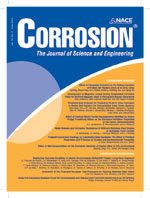
CORROSION
metrics 2024
Pioneering Research in Corrosion and Materials Science
Introduction
CORROSION is a prestigious journal published by the Natal Association of Corrosion Engineers, dedicated to advancing the understanding of corrosion phenomena in various materials across multiple industries. With a strong commitment to high-quality research, it has established itself as a key resource in the fields of Chemical Engineering, Chemistry, and Materials Science, as reflected in its Q3 ranking in the 2023 category quartiles. This journal, retaining its relevance since 1969, serves as a platform for innovative studies and findings that address fundamental and applied aspects of corrosion, vital for professionals engaged in material selection and integrity management. Through access to state-of-the-art research, CORROSION significantly contributes to the safety, sustainability, and efficiency of engineering practices worldwide. Researchers, professionals, and students alike can benefit from the insights offered by this journal, driving forward the quest for innovative solutions in corrosion management.
Metrics 2024
 0.311.101.70100
Metrics History
Rank 2024
IF (Web Of Science)
JCI (Web Of Science)
Quartile History
Similar Journals
International Journal of Corrosion
Unveiling the Secrets of Corrosion for Better MaterialsInternational Journal of Corrosion is a distinguished peer-reviewed journal published by HINDAWI LTD, focusing on the critical field of corrosion research, a vital aspect of materials science and chemical engineering. Since becoming an Open Access journal in 2010, it has provided a platform for disseminating pivotal findings related to corrosion mechanisms, prevention strategies, and innovative materials designed to counteract corrosion, thus directly impacting industries ranging from construction to energy. The journal boasts a respectable impact reflected in its Scopus rankings, holding a Q3 quartile in both Materials Science and Process Chemistry and Technology, with commendable rankings of #157 out of 463 and #37 out of 73, respectively. By fostering knowledge exchange and collaboration among researchers, professionals, and students, the International Journal of Corrosion plays an essential role in advancing the understanding of corrosion phenomena, thereby contributing significantly to the development of more resilient materials and sustainable engineering practices.
JOURNAL OF ADHESION SCIENCE AND TECHNOLOGY
Advancing the Frontiers of Adhesion Science.Journal of Adhesion Science and Technology is a distinguished publication within the fields of Chemistry, Materials Science, and Engineering, published by the reputable Taylor & Francis Ltd. Since its inception in 1987, the journal has been pivotal in advancing the understanding of adhesion mechanisms, technologies, and applications, boasting a conversion period extending to 2024. With a commendable impact factor and rankings placed in the Q2 category across various relevant domains, including Mechanics of Materials and Materials Chemistry, it offers a robust platform for scholars and practitioners alike. While currently not an open-access journal, it provides multiple access options, ensuring that vital research in adhesion science remains accessible to those dedicated to innovation and practical improvements in material interactions. This journal not only promotes empirical research but also encourages interdisciplinary collaboration, making it essential reading for researchers, industry professionals, and students eager to contribute to this dynamic field.
Ochrona Przed Korozja
Bridging Theory and Practice in Corrosion ScienceOchrona Przed Korozja is a pivotal journal dedicated to advancing the understanding and application of corrosion protection, a critical area within the realms of Chemical Engineering, Materials Chemistry, and Metals and Alloys. Published by WYDAWNICTWO SIGMA-NOT SP ZOO in Poland, this journal seeks to provide a comprehensive platform for researchers and professionals to share innovative findings, methodologies, and technologies related to corrosion prevention and management. With an ISSN of 0473-7733 and E-ISSN 2449-9501, the journal features articles that contribute to the scientific community, despite its current Q4 ranking across several relevant categories as of 2023. As it converges through the years 2019 to 2024, Ochrona Przed Korozja plays an essential role in fostering discourse and dissemination of knowledge in its niche, although it currently lacks open access options. Researchers, students, and industry professionals are encouraged to engage with the impactful content, promoting a deeper understanding of corrosion and its prevention in various practical applications.
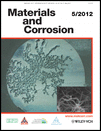
MATERIALS AND CORROSION-WERKSTOFFE UND KORROSION
Navigating the Challenges of Material DegradationMATERIALS AND CORROSION-WERKSTOFFE UND KORROSION, published by WILEY-V C H VERLAG GMBH, stands as a pivotal resource in the fields of materials science and engineering. Established in 1950, this peer-reviewed journal publishes innovative research that advances our understanding of materials performance and degradation in various environments. With a commendable impact factor and notable rankings in several categories—including Q2 in Materials Chemistry and Mechanical Engineering—the journal attracts submissions from leading researchers worldwide. It encompasses a diverse range of topics related to metals, alloys, surfaces, coatings, and environmental impacts, thereby serving a broad audience of scholars and professionals. The journal offers both subscription and Open Access options, ensuring that significant research findings are readily available to all. With its commitment to fostering knowledge and collaboration, MATERIALS AND CORROSION plays a crucial role in addressing the evolving challenges in material science and corrosion management.
CORROSION ENGINEERING SCIENCE AND TECHNOLOGY
Unveiling the science behind corrosion for practical applications.CORROSION ENGINEERING SCIENCE AND TECHNOLOGY is a pivotal journal dedicated to the exploration and advancement of corrosion knowledge and technologies, published by SAGE Publications Inc. This esteemed journal holds an ISSN of 1478-422X and an E-ISSN of 1743-2782, and is available for access in the United Kingdom and beyond. With a converged timeline from 2003 to 2024, it continues to publish high-quality research, fostering innovation in the fields of Chemical Engineering, Chemistry, and Materials Science, currently ranked in the Q3 quartile in these categories as of 2023. Additionally, the journal's Scopus rankings—211th in General Chemistry, 145th in General Chemical Engineering, and 266th in General Materials Science—underscore its commitment to disseminating impactful research. As an open-access journal, it invites researchers, professionals, and students to engage with cutting-edge developments in corrosion science, offering insights and solutions critical to numerous industries and enhancing collective academic understanding.
Moroccan Journal of Chemistry
Empowering Chemists with Cutting-Edge Discoveries.Moroccan Journal of Chemistry, published by the University Mohammed Premier Oujda, serves as a pivotal platform for researchers and professionals in the field of chemistry, particularly focusing on diverse and emerging areas within the discipline. Established in 2018, this open-access journal facilitates widespread dissemination of scholarly articles, ensuring that cutting-edge research reaches a global audience. With an ISSN of 2351-812X and categorized in the Q3 quartile for miscellaneous chemistry in 2023, the journal maintains rigorous peer-review standards while fostering an inclusive environment for scientific dialogue. Located in Morocco, it aims to bridge local and international research communities, contributing to the advancement of knowledge in chemistry. As it continues to grow, the Moroccan Journal of Chemistry remains an essential resource for students, educators, and professionals eager to stay abreast of the latest developments in the field.
Corrosion Science and Technology-Korea
Fostering collaboration in the realm of corrosion science.Corrosion Science and Technology-Korea, published by the CORROSION SCIENCE SOC KOREA, is a pivotal journal dedicated to the exploration and advancement of knowledge in corrosion science, particularly within the context of materials performance and maintenance. Established to foster innovation and collaboration among scholars in South Korea and beyond, this journal focuses on areas such as electrochemistry, metal alloys, and surface coatings, catering to a diverse audience of researchers, professionals, and students in materials science and chemistry. Despite its current quartile rankings, including Q4 in Electrochemistry and Q3 in various materials-related categories, the journal aims to enhance its visibility and impact in the scientific community by publishing high-quality research and reviews. With its ISSN 1598-6462 and E-ISSN 2288-6524, Corrosion Science and Technology-Korea is committed to contributing to the understanding and mitigation of corrosion issues, thereby promoting sustainability and longevity in engineering applications.
Advances in Materials Research-An International Journal
Connecting Researchers to the Future of Materials ScienceAdvances in Materials Research - An International Journal is an esteemed publication in the field of materials science, spearheaded by TECHNO-PRESS. Established to provide a critical platform for the dissemination of high-quality research, this journal focuses on a broad spectrum of topics, including Biomaterials, Ceramics, Composites, Electronic, Optical, Magnetic Materials, Metals, Alloys, and Polymers. With a commendable impact factor reflecting its substantial contribution to the scientific community, Advances in Materials Research promotes innovative ideas through rigorous peer-review processes and supports the continuous advancement of materials research, particularly in the dynamic environment of South Korea. This journal, which holds impressive rankings across various subfields in the Scopus database, is designed to cater to the needs of researchers, professionals, and students aiming to stay at the cutting edge of materials science. By bridging gaps between theory and application, it invites contributions that push the boundaries of knowledge and technology in diverse material applications.
Obrabotka Metallov-Metal Working and Material Science
Connecting Global Insights in Metal WorkingObrabotka Metallov-Metal Working and Material Science is a pivotal journal published by Novosibirsk State Technical University, focusing on the dynamic fields of mechanical engineering, mechanics of materials, and the science of metals and alloys. With ISSN 1994-6309 and E-ISSN 2541-819X, the journal serves as a crucial platform for disseminating research from Russia and around the globe. Currently classified in the Q4 category for Mechanical Engineering and Mechanics of Materials, as well as Q3 for Metals and Alloys, it encompasses a wide range of studies from fundamental research to innovative applications. Despite its relatively recent inception in 2019, the journal has established itself with Scopus rankings that highlight its growing influence—Rank #122 out of 176 in Materials Science and Rank #510 out of 672 in Engineering. This journal aims to foster collaboration among researchers, professionals, and students by featuring original articles, reviews, and technical notes that address contemporary challenges in metal processing and material science. As it continues to evolve through 2024, Obrabotka Metallov remains dedicated to enhancing the understanding and application of materials science, making it a significant resource for those invested in the future of engineering and technology.
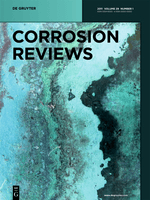
CORROSION REVIEWS
Unlocking Insights into Corrosion PhenomenaCORROSION REVIEWS, published by WALTER DE GRUYTER GMBH in Germany, is a pivotal journal dedicated to advancing the understanding and management of corrosion phenomena across various fields including Chemical Engineering, Chemistry, and Materials Science. With an ISSN of 0334-6005 and an E-ISSN of 2191-0316, this esteemed journal has demonstrated an enduring commitment to scholarly excellence since its inception in 1979, encompassing comprehensive interdisciplinary research outputs and reviews. Ranked in the Q2 category across several disciplines for 2023, and positioned favorably in Scopus rankings—#94 in Chemical Engineering and #145 in Chemistry—it serves as an essential resource for researchers and professionals seeking to enhance their knowledge and application of corrosion science. While the journal does not currently offer open access, its rigorous peer-review process ensures high-quality, credible research publications that contribute significantly to the academic community's efforts in corrosion prevention and policy. Researchers, students, and industry professionals alike will find CORROSION REVIEWS an indispensable tool for staying at the forefront of this critical area of study.