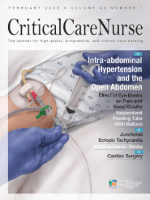
Critical Care Nurse
metrics 2024
Bridging the Gap Between Research and Clinical Practice
Introduction
Critical Care Nurse is a premier journal dedicated to advancing the field of critical care nursing, published by the American Association of Critical Care Nurses. With its consistent ranking in the Q1 category for Critical Care Nursing and impressive Scopus ranking at #8 out of 27, it serves as an essential resource for practitioners and researchers alike. The journal features innovative research, case studies, and reviews aimed at enhancing patient outcomes in critical care settings. As a significant contributor to nursing literature since 1980, Critical Care Nurse provides valuable insights and best practices that bridge the gap between theory and clinical practice, ensuring that professionals stay at the forefront of the ever-evolving healthcare landscape. While it is not an open-access journal, its high impact and relevance make it a critical read for those committed to excellence in critical care.
Metrics 2024
 0.482.002.1051
Metrics History
Rank 2024
Scopus
IF (Web Of Science)
JCI (Web Of Science)
Quartile History
Similar Journals
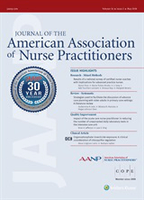
Journal of the American Association of Nurse Practitioners
Driving Change in Healthcare Through Scholarly ExcellenceJournal of the American Association of Nurse Practitioners is a leading publication dedicated to the advancement of nurse practitioner research, education, and practice. Published by Lippincott Williams & Wilkins, this journal focuses on disseminating innovative findings, clinical approaches, and evidence-based practices that enhance patient care and the profession's stature. With an ISSN of 2327-6886 and an E-ISSN of 2327-6924, the journal has established a significant presence within the academic community, boasting a 2023 Q2 ranking in Nursing and a Q3 in the broader category of Medicine (miscellaneous). Its indexed position—ranked #70 out of 139 in General Nursing by Scopus—reflects its commitment to quality and relevance in the field. Open access options further ensure that research findings are readily available to practitioners, educators, and students, facilitating a greater impact on patient outcomes and nursing practices. With content spanning from 2013 to 2024, the journal continues to serve as a pivotal resource for those endeavoring to enhance the expertise of nurse practitioners worldwide.

Nursing-Research and Reviews
Bridging academia and clinical practice for a healthier future.Nursing-Research and Reviews is a prominent open-access journal published by DOVE MEDICAL PRESS LTD, dedicated to the dynamic field of nursing research. Since its inception in 2011, this journal has served as a vital platform for disseminating peer-reviewed articles, review papers, and original research that contribute to evidence-based nursing practice and education. With an ISSN of 2230-522X, it provides valuable insights into the latest developments and trends in nursing, aiming to bridge the gap between academia and clinical practice. The journal's commitment to open access ensures that its content is readily available to researchers, practitioners, and students worldwide, promoting a broader dissemination of knowledge. As part of a reputable publisher recognized for its focus on advancing medical and scientific understanding, Nursing-Research and Reviews plays a crucial role in shaping the future of nursing through innovative research and inclusive dialogue.
Orthopaedic Nursing
Advancing Orthopaedic Care Through KnowledgeOrthopaedic Nursing, published by Lippincott Williams & Wilkins, is a vital journal dedicated to advancing the knowledge and practice of orthopaedic nursing. With its ISSN 0744-6020 and E-ISSN 1542-538X, this journal has been a cornerstone in the field since its inception in 1981 and continues to disseminate groundbreaking research and critical insights through to 2024. The journal is categorized in the third and fourth quartiles across various nursing and medical disciplines, reflecting its niche but impactful presence within the realms of Advanced and Specialized Nursing, Medicine (miscellaneous), and Orthopedics and Sports Medicine. Although it operates under a traditional access model, the importance of its articles—addressing both theoretical and practical aspects of orthopaedic care—cannot be overstated. Researchers, practitioners, and students alike will find Orthopaedic Nursing an indispensable resource for enhancing their understanding of contemporary practices and the evolving landscape of patient care in orthopaedics.
AORN JOURNAL
Innovating Surgical Practices for Better Outcomes.AORN JOURNAL, a reputable publication in the field of Medical and Surgical Nursing, has been at the forefront of nursing education and practice since its inception in 1963. Published by WILEY, this peer-reviewed journal serves as an essential resource for nurses, educators, and healthcare professionals seeking to enhance their knowledge and skills in perioperative care. With an impressive ranking of 15th out of 26 in its category according to Scopus, and a Q2 rating in the 2023 category quartiles, the AORN JOURNAL consistently provides high-quality research, innovative practices, and evidence-based guidance. While currently not an open-access journal, it offers valuable insights and practical solutions to complex challenges in surgical settings, making it a crucial tool for advancing the nursing profession. The journal's commitment to fostering excellence in patient care continues to empower professionals and students alike, ensuring they stay at the leading edge of medical knowledge and practice.
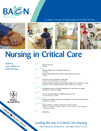
Nursing in Critical Care
Pioneering research that shapes the future of critical care nursing.Nursing in Critical Care is a premier journal dedicated to the advancement of knowledge and practice in the field of critical care nursing. Published by WILEY, this esteemed journal has established itself as a leader in the domain, holding a prestigious Q1 ranking in Critical Care Nursing as of 2023, and ranking as the 2nd out of 27 in its category according to Scopus, with an impressive 94th percentile. Since its inception in 1996, it has been an essential platform for disseminating cutting-edge research, evidence-based practices, and critical insights that directly impact patient outcomes in high-stakes environments. While not an Open Access journal, it offers accessible options for institutions and individuals dedicated to the continuous evolution of nursing practices in critical care settings. The journal promises to remain at the forefront of the discipline, providing invaluable resources for researchers, practitioners, and students alike who aspire to enhance their expertise and improve the standards of care within intensive health scenarios.
JNP- The Journal for Nurse Practitioners
Advancing Nursing Practice with Innovative Insights.JNP - The Journal for Nurse Practitioners is a leading publication in the fields of Advanced and Specialized Nursing, as well as Fundamentals and Skills, proudly published by Elsevier Science Inc. With an ISSN of 1555-4155 and an E-ISSN of 1878-058X, this journal provides a robust platform for disseminating innovative research and clinical insights relevant to nurse practitioners. With a respectable 2023 Scopus ranking placing it in the Q2 category for several key nursing disciplines, JNP serves as an essential resource for professionals seeking to stay at the forefront of nursing practice. The journal spans over a decade of impactful scholarship, converging years from 2005 to 2024, encouraging the advancement of knowledge and skills within the nursing community. Although currently not an open-access publication, it remains pivotal for researchers and practitioners dedicated to improving patient care and advocating for the nursing profession.
Critical Care Nursing Clinics of North America
Empowering Professionals with Evidence-Based Research.Critical Care Nursing Clinics of North America, published by W B Saunders Co-Elsevier Inc, stands as a leading journal in the field of critical care nursing, showcasing groundbreaking research and essential clinical practices since its inception in 1989. With an ISSN of 0899-5885 and an E-ISSN of 1558-3481, this quarterly publication has earned its reputation within the Q2 category of critical care nursing, ranking 13th out of 27 in the Scopus metrics. Its contributions significantly aid healthcare professionals in enhancing patient outcomes in critical settings through the dissemination of evidence-based knowledge, innovative approaches, and expert insights. Although it does not offer an Open Access model, the journal remains dedicated to serving researchers, practitioners, and students in understanding advancements and best practices within this dynamic specialty, with a focus on improving the quality of care in critical nursing environments.

Journal of Pediatric Hematology-Oncology Nursing
Elevating standards of care with evidence-based insights.The Journal of Pediatric Hematology-Oncology Nursing, published by SAGE Publications Inc, serves as a premier platform for advancing the field of pediatric nursing, particularly in the critical realms of hematology and oncology. With an ISSN of 2752-7530 and an E-ISSN of 2752-7549, this journal has quickly established its significance, achieving commendable rank status in various nursing specialties, including a Q1 placement in Advanced and Specialized Nursing as of 2023. It provides critical insights and evidence-based research across its converged years from 2022 to 2024, ensuring that professionals in the field remain at the forefront of best practices and innovations. The journal is especially relevant for nurses, medical professionals, and researchers aiming to improve patient outcomes in pediatric care. With open access options, it invites a broad readership to engage with its content, thus fostering collaboration and knowledge sharing in this vital area of healthcare.
Dimensions of Critical Care Nursing
Empowering Nurses with Knowledge for High-Stakes EnvironmentsDimensions of Critical Care Nursing, published by Lippincott Williams & Wilkins, is a premier journal dedicated to advancing the knowledge and practices within the fields of critical care and emergency nursing. With a distinguished history dating back to 1982, this journal plays a vital role in disseminating cutting-edge research, clinical advancements, and educational resources aimed at enhancing patient care in high-stakes environments. The journal is ranked in the Q2 quartile for both Critical Care Nursing and Emergency Nursing, reflecting its significant impact on the nursing field, with Scopus rankings placing it at #11 in Critical Care Nursing and #14 in Emergency Nursing. Targeting a multidisciplinary audience of researchers, clinicians, and students, the journal serves as a critical platform for discussions surrounding innovative patient care strategies, evidence-based practices, and emerging trends in critical nursing. Although it is not an open-access journal, it provides valuable insights that are essential for shaping the future of nursing practice. Stay informed on the latest research and contribute to the evolving landscape of critical and emergency care through Dimensions of Critical Care Nursing.
Journal of Emergency Nursing
Unlocking the Potential of Emergency Nursing EducationJournal of Emergency Nursing, published by Elsevier Science Inc, serves as a premier platform for advancing the field of emergency nursing. Since its inception in 1975, this peer-reviewed journal has established itself as a vital resource for researchers, practitioners, and educators alike, with a notable impact factor and current ranking of #8 out of 32 in the Emergency Nursing category, placing it in the 76th percentile. The journal's commitment to the dissemination of high-quality evidence, innovative practices, and essential insights makes it an indispensable tool for those seeking to excel in acute care settings. Although not open access, the Journal of Emergency Nursing is dedicated to fostering knowledge and improving patient outcomes through robust research and comprehensive reviews, aligning closely with its mission to enhance emergency nursing practices and education through every issue until 2024 and beyond. For professionals and students keen on staying at the forefront of emergency care advancements, this journal provides a wealth of knowledge and resources, reflecting the critical issues and developments shaping the future of healthcare.