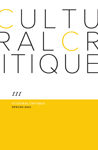
CULTURAL CRITIQUE
metrics 2024
Advancing Critical Thought in Cultural Studies
Introduction
CULTURAL CRITIQUE is a premier academic journal published by University of Minnesota Press, dedicated to the interdisciplinary exploration of cultural phenomena through the lenses of anthropology, cultural studies, literature and literary theory, philosophy, and sociology. With its ISSN 0882-4371 and E-ISSN 1460-2458, the journal serves as a vital forum for scholars to engage, debate, and disseminate innovative ideas and methodologies that redefine cultural narratives and critiques. Spanning a publication timeline from 2002 to 2024, CULTURAL CRITIQUE holds significance in various academic categories, achieving Q4 rankings in anthropology and sociology and as high as Q2 in literature and literary theory. Its Scopus rankings further reinforce its value, placing it in the 82nd percentile among literature-related journals. Although it currently does not offer open access, this journal is key for researchers, professionals, and students aiming to deepen their understanding of culturally driven debates in the contemporary landscape.
Metrics 2024
 0.120.200.2027
Metrics History
Rank 2024
Scopus
IF (Web Of Science)
JCI (Web Of Science)
Quartile History
Similar Journals
Jeunesse-Young People Texts Cultures
Celebrating the Intersection of Youth, Texts, and CulturesJeunesse-Young People Texts Cultures, published by University of Toronto Press, is a pioneering academic journal dedicated to exploring the multifaceted experiences and representations of youth culture through literature and media. With an ISSN of 1920-2601 and an E-ISSN of 1920-261X, this quarterly journal (from 2018 to 2024) fulfills a vital role in the fields of Cultural Studies and Literature and Literary Theory, currently positioned in Q4 and Q3 quartiles respectively, reflecting its growing impact within the academic community. The journal serves as a platform for scholars, researchers, and students interested in understanding how texts and cultures shape the identities and experiences of young people. Though not officially designated as open access, its compelling articles provide critical insights and foster ongoing discussions among professionals in the humanities and social sciences. Situated in Canada, Jeunesse embodies a commitment to advancing knowledge and promoting dialogue on issues relevant to youth, making it an essential resource in this dynamic field.
South Central Review
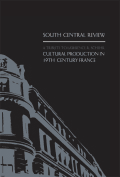
Advancing Critical Perspectives in Literature and ArtsSouth Central Review, a distinguished academic journal published by Johns Hopkins University Press, serves as a vital platform for scholarly discourse in the fields of cultural studies, literature and literary theory, philosophy, and the visual and performing arts. With an ISSN of 0743-6831 and an E-ISSN of 1549-3377, this journal is dedicated to highlighting innovative research and critical analyses that explore the complexities of Southern culture and its broader implications. Although it operates without an open access option, the journal is recognized for its rigorous peer-review process and contributions to contemporary academic dialogue, holding Q3 and Q4 rankings across several disciplines as of 2023. The convergence of ideas and perspectives from diverse academic backgrounds positions the South Central Review as an essential resource for researchers, professionals, and students seeking to deepen their understanding of the cultural narratives shaping our world today.
SOUTH ATLANTIC QUARTERLY
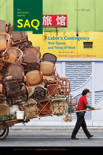
Engaging with the Pulse of Society Through Scholarly InquirySOUTH ATLANTIC QUARTERLY, published by DUKE UNIVERSITY PRESS, stands as a pivotal journal within the fields of Cultural Studies, Literature and Literary Theory, and Sociology and Political Science. With its rich historical foundation dating back to its inception in 1907, the journal has continuously provided a platform for rigorous scholarship and critical discourse. It has consistently achieved remarkable rankings, holding a distinguished place in the Q1 category across its relevant fields as of 2023, demonstrating its significant impact with Scopus rankings positioning it in the top percentiles. Though not an open-access journal, it offers a valuable repository of interdisciplinary insights that appeal to researchers, professionals, and students alike. The South Atlantic Quarterly remains essential for anyone looking to engage deeply with contemporary and historical issues spanning a broad spectrum of cultural and societal contexts, particularly through its insightful articles and critical reviews published biannually. Explore the multifaceted dimensions of the humanities and social sciences with this renowned journal, renowned for its commitment to intellectual rigor and innovative scholarship.

Anclajes
Illuminating the Intersections of Culture and LanguageAnclajes is a prominent academic journal dedicated to the fields of Cultural Studies, Linguistics, and Literature, published by the UNIV NACIONAL LA PAMPA, FAC CIENCIAS HUMANAS. With both print (ISSN 0329-3807) and electronic (E-ISSN 1851-4669) formats, the journal has embraced an Open Access model since 2010, greatly enhancing its accessibility and reach to a global audience. Based in Argentina, Anclajes provides a platform for innovative research and critical discourse, contributing significantly to the understanding of cultural phenomena and literary theories. In recent years, the journal has established itself with a Scopus rank placing it in the top 30% of Literature and Literary Theory and the top 57% of Cultural Studies, as indicated by its quartile rankings for 2023. With issues converging from 2012 to 2024, Anclajes continues to foster scholarly communication and serves as an essential resource for researchers, students, and professionals seeking to explore the dynamism of human culture and expression.
Culture Theory and Critique
Navigating the Complexities of Culture and CritiqueCulture Theory and Critique, published by Routledge Journals, Taylor & Francis Ltd, is a pivotal journal that serves as a conduit for interdisciplinary research and discourse in the realms of Cultural Studies, Sociology, and Political Science. With an ISSN of 1473-5784 and E-ISSN 1473-5776, this journal has carved a niche for its innovative exploration of cultural phenomena and their socio-political implications. According to the latest metrics, it holds a notable position within the academic landscape, ranked Q2 in Cultural Studies and Q3 in Sociology and Political Science as of 2023. With a Scopus rank placing it in the 78th percentile for Cultural Studies, the journal not only contributes significantly to scholarly dialogue but also offers a critical platform for emerging theories and critiques from diverse perspectives. Although it operates under a standard access model, the journal encourages submissions that push the boundaries of current knowledge and engage with pressing cultural issues. Researchers, professionals, and students alike will find that Culture Theory and Critique is essential for fostering a deeper understanding of the dynamic interplay of culture and society, and it stands as a testament to the evolving landscape of cultural analysis.
DIACRITICS-A REVIEW OF CONTEMPORARY CRITICISM
Advancing Critical Discourse in Contemporary LiteratureWelcome to DIACRITICS: A Review of Contemporary Criticism, a distinguished journal published by Johns Hopkins University Press, specializing in the interdisciplinary fields of literature and literary theory. With an impressive impact factor that places it in the top quartile of its category, DIACRITICS is recognized for its rigorous scholarship and critical insights, ranking #93 out of 1106 journals in Arts and Humanities Literature and Literary Theory according to Scopus. This journal, which has been continually publishing significant work since its inception, focuses on contemporary literary criticism, engaging scholars, professionals, and students in thoughtful discourse on relevant issues and transformative trends in the field. Although not open access, it provides a rich resource for those seeking to deepen their understanding of critical theory and literature. We invite you to explore the innovative perspectives and scholarly contributions that DIACRITICS offers, ensuring a vibrant exchange of ideas and fostering academic excellence.

Altre Modernita-Rivista di Studi Letterari e Culturali
Advancing Critical Discourse in Linguistics and LiteratureAltre Modernita-Rivista di Studi Letterari e Culturali, published by Milano University Press, serves as a significant platform in the fields of Cultural Studies, Linguistics, and Literature. Since its transition to Open Access in 2009, this journal has made strides in democratizing knowledge, ensuring that resources and research are accessible to a broader audience. With an ISSN of 2035-7680, it publishes innovative research and critical discourse aimed at fostering interdisciplinary dialogue within the humanities. Although currently positioned in Q4 and Q3 quartiles, Altre Modernita is steadily contributing to academic conversation, promoting literary analysis, cultural critique, and linguistic exploration. Located in Italy, it invites contributions from scholars worldwide, encouraging a diverse range of perspectives. Altre Modernita remains a valuable resource for researchers, professionals, and students dedicated to understanding the complexities of modern literature and cultural narratives.
SOUNDINGS
Charting New Territories in Cultural Studies and Political ScienceSOUNDINGS, published by Penn State University Press, stands as a notable journal within the realms of the arts and humanities, cultural studies, and sociology and political science. With its ISSN 0038-1861 and E-ISSN 2161-6302, this academic periodical has been a platform for critical discourse and innovative research since its inception in the mid-1970s, although it has experienced several convergence periods. Though currently categorized in Q4 within its respective fields, including rankings that reflect its growing influence, SOUNDINGS continues to provide a rigorous space for interdisciplinary dialogue and scholarly reflection. Despite the absence of open access, the journal’s comprehensive articles are vital for researchers, professionals, and students seeking to deepen their understanding of complex cultural and societal dynamics. With its headquarters located at 820 North Univ Drive, U S B 1, Ste C, University Park, PA 16802, SOUNDINGS invites its readership to engage with contemporary issues through a rich lens of academic inquiry.
TULSA STUDIES IN WOMENS LITERATURE
Celebrating the richness of women's literature and scholarship.TULSA STUDIES IN WOMENS LITERATURE is a distinguished academic journal published by the University of Tulsa, dedicated to advancing scholarship in the fields of women's studies and literary theory. With a focus on nuanced analyses of gender, culture, and literature, this journal serves as a vital platform for researchers, professionals, and students alike, encouraging interdisciplinary dialogue and innovative perspectives. Having converged its publication years from 2002-2013 and from 2015-2024, TULSA STUDIES IN WOMENS LITERATURE is recognized for its contributions to both Gender Studies (Q3) and Literature (Q2) based on the 2023 category quartiles. Despite not currently being open access, the journal remains committed to fostering an inclusive academic environment. Boasting a strong Scopus ranking, particularly in Literature and Literary Theory (64th percentile), it continues to be a pivotal resource for those seeking deep engagement with feminist literary discourse and critical gender studies.
Film Fashion & Consumption
Advancing Critical Conversations in Visual Arts and ConsumptionFilm Fashion & Consumption is an innovative academic journal published by INTELLECT LTD, focusing on the interdisciplinary exploration of the intertwined domains of film, fashion, and cultural consumption. Established in 2019, this journal has rapidly become a significant platform for scholars, practitioners, and students alike, contributing to critical discussions on how visual culture shapes consumer behaviors and social narratives. With an impact factor reflecting a growing influence in the fields of Communication, Cultural Studies, History, and Visual Arts, it holds respectable positions in its respective quartiles as of 2023. Although it is not an open-access journal, it provides essential insights and research articles that inform and challenge prevailing notions around media and style. The journal's Scopus rankings highlight its relevance, particularly within the realms of Visual Arts and Cultural Studies, making it a valuable resource for anyone engaged in the analysis of contemporary visual trends.