
CURRENT TREATMENT OPTIONS IN ONCOLOGY
Scope & Guideline
Connecting Research to Clinical Excellence in Oncology
Introduction
Aims and Scopes
- Multimodal Treatment Strategies:
The journal emphasizes the integration of various treatment modalities, including surgery, chemotherapy, immunotherapy, and targeted therapies, providing a holistic approach to cancer management. - Emerging Therapies and Clinical Trials:
A core focus is on the exploration of novel therapeutic agents and strategies currently under investigation in clinical trials, highlighting their potential impact on patient outcomes. - Personalized Medicine in Oncology:
The journal addresses the shift towards personalized medicine, discussing the role of genetic and molecular profiling in guiding treatment decisions tailored to individual patient needs. - Management of Treatment-Related Toxicities:
There is a consistent emphasis on understanding and managing the side effects of cancer treatments, including cardiotoxicity, neurotoxicity, and other adverse effects, to improve patient quality of life. - Interdisciplinary Collaboration:
The journal promotes the importance of interdisciplinary approaches in oncology, encouraging collaboration among oncologists, surgeons, radiologists, and supportive care teams.
Trending and Emerging
- Immunotherapy Advances:
There is a notable increase in articles focusing on immunotherapy, including checkpoint inhibitors and CAR-T cell therapy, which are becoming integral parts of treatment protocols across various malignancies. - Personalized and Precision Medicine:
Recent publications emphasize the importance of tailoring treatments based on genetic and molecular profiles, showcasing the shift towards precision medicine in oncology. - Cardio-Oncology:
The intersection of oncology and cardiology is gaining attention, with increasing research on managing cardiotoxicity associated with cancer therapies, highlighting the need for integrated care approaches. - Targeted Therapies for Specific Mutations:
A growing number of papers focus on targeted therapies aimed at specific genetic mutations (e.g., BRAF, KRAS), reflecting the trend towards molecularly targeted treatment strategies. - Real-World Evidence in Oncology:
There is an emerging focus on the application of real-world evidence to inform treatment decisions and outcomes, indicating a shift towards understanding the effectiveness of therapies in everyday clinical settings.
Declining or Waning
- Conventional Chemotherapy:
There appears to be a waning focus on traditional chemotherapy regimens as newer, more targeted therapies and immunotherapies gain traction in clinical practice. - Radiotherapy Techniques:
Discussions on conventional radiotherapy techniques have decreased, possibly due to the emergence of advanced modalities like stereotactic body radiotherapy and proton therapy. - Palliative Care Approaches:
Although palliative care remains critical, the journal has seen less frequent focus on traditional palliative methods, reflecting a shift towards integrating palliative care earlier in treatment planning. - General Cancer Epidemiology:
Research articles centered on broad epidemiological studies of cancer incidence and prevalence have diminished, with more emphasis now placed on specific cancer types and innovative treatment strategies.
Similar Journals
BREAST
Exploring breakthroughs in breast disease management.BREAST is a leading peer-reviewed journal dedicated to advancing knowledge and practice in the fields of cancer research, oncology, and surgery, published by Churchill Livingstone. With an impressive impact factor and a prestigious Q1 ranking in multiple categories including Cancer Research, Medicine, and Surgery, the journal consistently delivers high-quality content that informs and inspires researchers, clinicians, and educators. Since its transition to Open Access in 2020, BREAST has significantly expanded its reach, providing immediate and unrestricted access to pivotal studies and findings in breast health and disease management. With a history dating back to 1992 and converging to 2024, the journal serves as an essential resource for the latest developments and innovative approaches in the clinical and biomedical aspects of breast care. Scholars and professionals alike can explore a wealth of research aimed at improving patient outcomes and fostering scientific dialogue in this vital area of healthcare.
Molecular and Clinical Oncology
Empowering breakthroughs in cancer biology and treatment.Molecular and Clinical Oncology is a dynamic journal published by SPANDIDOS PUBL LTD, aimed at advancing the understanding of cancer biology and treatment modalities. With an ISSN of 2049-9450 and an E-ISSN of 2049-9469, the journal serves as a critical platform for researchers and clinicians dedicated to uncovering novel insights in molecular oncology and enhancing clinical practices. As a testament to its growing influence, the journal has achieved a Q3 ranking in Oncology and a Q4 ranking in Cancer Research for the year 2023, reflecting its commitment to publishing high-quality research. Although currently not an Open Access publication, the journal offers crucial subscription options, ensuring comprehensive access to groundbreaking studies and innovations in the field. With converged years spanning 2018 to 2024, the journal is set to continue enriching the academic community with its valuable contributions, ultimately empowering researchers, professionals, and students engaged in the fight against cancer.
Nature Reviews Clinical Oncology
Advancing the Frontiers of Cancer CareNature Reviews Clinical Oncology is a premier journal dedicated to the comprehensive exploration and critical evaluation of current advancements in the field of clinical oncology. Published by the esteemed NATURE PORTFOLIO in the United Kingdom, this influential journal boasts an impressive impact factor that reflects its significant role in shaping oncology research. As a Q1 ranked journal in Scopus, it occupies a notable position within the top tier of oncology publications, placing it in the 99th percentile among its peers. With a history of convergence from 2009 to 2024, it presents high-quality content through an open-access model, ensuring accessibility to vital research findings. Researchers, professionals, and students alike will find Nature Reviews Clinical Oncology an invaluable resource for staying abreast of the latest trends, biologic insights, and therapeutic innovations that drive the future of cancer treatment.
Translational Lung Cancer Research
Advancing lung cancer research for a healthier tomorrow.Translational Lung Cancer Research is a leading journal dedicated to advancing the field of oncology, particularly focusing on groundbreaking discoveries in lung cancer treatment and management. Published by AME Publishing Company, this journal boasts an impressive Q1 classification in the 2023 Oncology category, reflecting its significant contribution to the scientific community, with an outstanding Scopus rank of #92 out of 404 in Medicine _ Oncology, placing it in the 77th percentile. With its commitment to open access, the journal fosters international collaboration and accessibility, making cutting-edge research available to a wide audience. The scope of Translational Lung Cancer Research encompasses clinical trials, experimental studies, and translational research that bridge the gap between laboratory findings and clinical applications. Researchers, professionals, and students seeking to keep abreast of the latest developments in lung cancer research will find invaluable insights within its pages. For further information, please contact at FLAT-RM C 16F, KINGS WING PLAZA 1, NO 3 KWAN ST, SHATIN, HONG KONG.
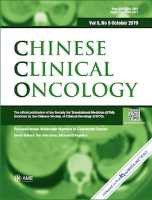
Chinese Clinical Oncology
Empowering oncology research with impactful insights.Chinese Clinical Oncology is a distinguished journal dedicated to advancing the field of oncology and clinical research, published by AME Publishing Company. Since its inception in 2012, this journal has established its significance within the academic community, boasting an impactful presence as evidenced by its 2023 Scopus rankings, where it is positioned in the 47th percentile in the field of oncology. This open access journal features a diverse range of research, reviews, and clinical studies that aim to bridge the gap between experimental and clinical oncology, making it an invaluable resource for researchers, medical professionals, and students alike. The journal is based in Hong Kong and is committed to publishing studies that contribute to the understanding and treatment of cancer, with a strong focus on innovative methodologies and emerging therapies. With a current categorization of Q2 in Medicine and Q3 in Oncology, Chinese Clinical Oncology offers a robust platform for scholarly communication and is pivotal for those involved in cancer research and treatment.

World Journal of Oncology
Pioneering breakthroughs in cancer treatment and research.The World Journal of Oncology, published by ELMER PRESS INC, is a vibrant platform for disseminating groundbreaking research and advancements in the field of oncology. With its ISSN 1920-4531 and E-ISSN 1920-454X, this journal is dedicated to publishing high-quality studies that enhance our understanding of cancer and its treatment. The journal is recognized for its significant contributions, evidenced by its Q2 classification in both Cancer Research and Oncology categories in 2023, and accolades such as a Scopus rank of #126/404 in Medicine _ Oncology. Catering to the needs of researchers, professionals, and students, the World Journal of Oncology offers an essential resource for the latest scientific insights and clinical practices, ensuring the global oncology community remains informed and engaged. The journal operates under a selective publication model, maintaining rigor in peer review while facilitating knowledge sharing across converged years from 2014 to 2016 and 2020 to 2024, further establishing its importance in the ongoing fight against cancer.
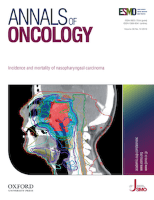
ANNALS OF ONCOLOGY
Transforming insights into breakthroughs in oncology.ANNALS OF ONCOLOGY, published by Elsevier, stands as a premier journal in the field of oncology, hematology, and general medicine, with a notable impact factor that underscores its significance in advancing cancer research and clinical practice. Established in 1990, this journal has become a highly respected source of information, consistently ranked in the Q1 category in its respective fields, showcasing its influence and credibility (Rank #4/404 in Oncology and Rank #2/137 in Hematology as per Scopus rankings). With a focus on innovative therapies, clinical trials, and emerging research, ANNALS OF ONCOLOGY serves as an essential resource for researchers, clinicians, and students dedicated to unraveling the complexities of cancer treatment and care. Although offering restricted access options, its impactful studies and discoveries continue to shape the future of oncology.
Future Oncology
Shaping the future of cancer treatment and research.Future Oncology is a premier peer-reviewed journal published by FUTURE MEDICINE LTD, dedicated to advancing research and innovation within the field of oncology. Established in 2005 and set to continue through 2024, this journal serves as an essential resource for researchers, healthcare professionals, and students engaged in cancer studies. With its emphasis on groundbreaking findings and multidisciplinary approaches, Future Oncology holds an esteemed reputation, reflected in its 2023 category quartiles ranking it in Q2 for Cancer Research and Q1 for Medicine (miscellaneous). The journal is indexed in Scopus, showcasing its rigorous content, with rankings in the 63rd percentile for Oncology and the 46th percentile for Cancer Research. Although it does not operate on an open-access model, its commitment to disseminating cutting-edge findings makes it an invaluable asset for those seeking to stay at the forefront of oncology research.Future Oncology strives to bridge the gap between laboratory and clinical research, fostering collaboration and appreciation for the complexities of cancer treatment.
Targeted Oncology
Advancing cancer care through targeted research.Targeted Oncology is a premier, peer-reviewed journal published by SPRINGER, focusing on the latest advancements in the field of oncology, specifically targeting the development and application of targeted therapies. Since its inception in 2006, this journal has become an essential resource for researchers, healthcare professionals, and students, providing critical insights into innovative cancer treatments and the pharmacological landscape. Recognized for its impactful contributions, Targeted Oncology holds a distinguished Q1 ranking in both Oncology and Pharmacology categories as of 2023, underscoring its influence and relevance in the scientific community. With an impressive Scopus ranking reflecting its strong citation impact, the journal not only disseminates high-quality research but also facilitates knowledge exchange among oncologists and researchers working towards improving patient outcomes. Although not an Open Access journal, Targeted Oncology is committed to advancing cancer research and therapeutic strategies, making it an invaluable addition to the libraries of any institution dedicated to health and wellness.

npj Precision Oncology
Fostering Collaboration for Breakthrough Cancer Therapiesnpj Precision Oncology, an esteemed peer-reviewed journal published by NATURE PORTFOLIO, stands at the forefront of oncological research and precision medicine. Launched as an Open Access platform in 2017, this journal not only facilitates the dissemination of innovative research findings but also ensures that crucial insights are freely accessible to the global scientific community. With an impressive ranking of Q1 in both Cancer Research and Oncology, and a commendable Scopus rank that places it in the top 15% of its field, npj Precision Oncology is dedicated to advancing our understanding of personalized cancer therapies through high-quality research. Catering to professionals, researchers, and students alike, this journal aims to bridge the gap between laboratory science and clinical application, paving the way for transformative approaches in oncology. As the landscape of cancer treatment evolves, npj Precision Oncology remains a crucial platform for fostering collaboration and sparking ideas that can significantly impact patient care.