
Eikasmos-Quaderni Bolognesi di Filologia Classica
metrics 2024
Connecting Ancient Wisdom with Modern Inquiry
Introduction
Eikasmos-Quaderni Bolognesi di Filologia Classica is a distinguished journal that focuses on the fields of Classics, Linguistics, and Language, published by PATRON EDITORE S R L in Italy. With its ISSN 1121-8819, the journal has been a vital platform for the dissemination of scholarly work from 2011 until 2021, contributing significantly to the dialogue within these disciplines. Although recognized in the lower quartiles (Q4) of various categories within Scopus, including Classics and Linguistics, and having ranked in the 37th and 19th percentiles respectively, Eikasmos stands as an invaluable resource for researchers, academics, and students committed to exploring classical philology and its interconnections with modern linguistic studies. The absence of an open access model underscores the importance of institutional support in accessing this scholarly work, which continues to enrich the academic landscape of classical studies.
Metrics 2024
 0.10--5
Metrics History
Rank 2024
Scopus
JCI (Web Of Science)
Quartile History
Similar Journals

Agora-Estudos Classicos em Debate
Exploring the Intersections of Ancient Wisdom and Modern ThoughtAgora-Estudos Classicos em Debate is a distinguished open-access journal published by UNIV AVEIRO, located in the heart of Portugal. Since its launch in 1999, the journal has committed to fostering scholarly dialogue within the fields of Classics and Literature and Literary Theory. As a testament to its academic rigor, it has achieved a Q3 ranking in both subject categories for 2023, placing it among relevant discourses in the humanities. The journal's Scopus ranks reveal its standing within the community, with a rank of #577 out of 1106 in Literature and Literary Theory and #101 out of 170 in Classics. By providing a platform for original research and critical discussions, Agora serves as a vital resource for researchers, professionals, and students eager to explore the nuanced intersections of classical studies and contemporary literary analysis. With the advantage of open access, the journal ensures that knowledge is disseminated widely, embodying its commitment to academic accessibility and excellence.

Cuadernos de Filologia Clasica-Estudios Latinos
Connecting Scholars to the Heart of Classical PhilologyCuadernos de Filologia Clasica-Estudios Latinos is a distinguished academic journal dedicated to the field of classical philology, with a particular emphasis on Latin studies. Published by UNIV COMPLUTENSE MADRID, SERVICIO PUBLICACIONES, this journal serves as a vital platform for scholars, educators, and students interested in the rich legacy of Latin literature and its linguistic intricacies. The journal, identifiable by its ISSN 1131-9062 and E-ISSN 1988-2343, aims to foster scholarly dialogue through the publication of innovative research articles, critical essays, and book reviews that advance knowledge within this specialized discipline. Although it operates under a non-open access model, its contributions are invaluable, enriching the academic community's understanding of classical texts and their contemporary significance. Through its rigorous scholarship and commitment to excellence, Cuadernos de Filologia Clasica-Estudios Latinos positions itself as an essential resource for anyone invested in the study of classical languages and literatures.

Eirene-Studia Graeca et Latina
Connecting Past and Present through ResearchEirene-Studia Graeca et Latina, ISSN 0046-1628, is a prominent academic journal published by the Institute of Classical Studies, Academy of Sciences of the Czech Republic. Focusing on the fields of Classics, Linguistics, and Archaeology, this journal serves as a vital platform for scholarly discourse and research dissemination since its inception in 2002. Although it operates under a traditional access model, the journal has established itself within the academic community, evidenced by its placement in the Q4 category across multiple disciplines in 2023. This includes significant rankings in areas such as Archaeology and Language and Linguistics, where it finds itself within the 27th to 16th percentiles of its respective categories. Eirene aims to foster the advancement of research in the Humanities, providing a rigorous forum for scholars and practitioners interested in classical studies. Its contribution to the academic landscape is essential for those who aspire to explore the depths of ancient languages, cultures, and methodologies, making it a valuable resource for researchers, professionals, and students alike.
Trends in Classics
Connecting scholars to the rich tapestry of classical studies.Trends in Classics is a distinguished academic journal published by WALTER DE GRUYTER GMBH, dedicated to advancing the field of Classics through critical scholarship and innovative research. With an ISSN of 1866-7473 and an E-ISSN of 1866-7481, this journal offers a platform for scholars from around the globe to share insights on classical literature, history, and archaeology. Indexed in Scopus and awarded a respectable Q4 classification in Classics, it ranks 48th out of 170 in the Arts and Humanities category, placing it in the top 72nd percentile—an indicator of its growing influence and contribution to the field. Operating from Germany, specifically from Genthin Strasse 13, D-10785 Berlin, the journal spans converged years from 2009 to 2024, fostering ongoing dialogues and developments within classical studies. Although it does not currently offer open access, its commitment to scholarly excellence makes it a vital resource for researchers, professionals, and students alike, who seek to deepen their understanding of ancient cultures and their lasting impacts on contemporary society.
Cambridge Classical Journal
Exploring the Depths of Classics and LinguisticsThe Cambridge Classical Journal, published by Cambridge University Press, is a prestigious academic journal that has been a cornerstone of classical scholarship since its inception in 1884. With a focus on advancing knowledge in the fields of Classics, Linguistics, and Literature and Literary Theory, the journal operates with an annual publication cycle, showcasing cutting-edge research that contributes significantly to these disciplines. With a commendable impact factor and ranking in the top quartile (Q1) for Classics and Q2 for Literature and Literary Theory as of 2023, it remains an essential resource for scholars, students, and professionals alike. The journal's commitment to excellence is evident in its rigorous peer-review process and its role in fostering scholarly dialogue on classical texts and their linguistic and cultural implications. While the Cambridge Classical Journal is not an open-access publication, it is invaluable for anyone seeking to deepen their understanding of the classical world and its enduring influence on contemporary thought.

Myrtia
Fostering discussions that shape tomorrow's ecosystems.Myrtia is a distinguished academic journal published by Universidad de Murcia, focusing primarily on the fields of environmental sciences and biodiversity. With the ISSN 0213-7674 and E-ISSN 1989-4619, it serves as a vital platform for researchers and professionals to disseminate innovative findings and foster discussions that advance our understanding of ecological dynamics and sustainable practices. The journal reflects a commitment to promoting open access knowledge, aiming to increase the visibility and impact of research in these critical areas. As researchers seek to address pressing environmental challenges, Myrtia remains an essential resource for high-quality, peer-reviewed articles that contribute to a holistic understanding of our ecosystem. Its association with a reputable institution and dedication to scholarly excellence makes it a key player in the academic landscape, inviting contributions that shape future environmental research and policy.
Symbolae Osloenses
Illuminating the Rich Tapestry of ClassicsSymbolae Osloenses, published by TAYLOR & FRANCIS LTD, is a distinguished journal in the field of Classics, with a rich history dating back to its inception in 1922. This UK-based journal has continuously contributed to the scholarly discourse surrounding ancient cultures, languages, and literature, making it a crucial resource for researchers, educators, and students alike. Though it operates under a subscription model, its impact on the academic community is underscored by its recent inclusion in the 2023 Scopus rankings, where it holds a respectable position in the 65th percentile among its peers. With decades of published research spanning from 1924 to 2023, Symbolae Osloenses remains committed to fostering robust academic dialogue and advancing knowledge in the Classics, catering to a diverse readership seeking to explore the nuances of classical studies.
Emerita
Illuminating the Richness of Classical Studies and LinguisticsEmerita is a distinguished academic journal published by CONSEJO SUPERIOR INVESTIGACIONES CIENTIFICAS-CSIC in Spain, focusing on the fields of Classics and Linguistics. With its roots dating back to 1971, Emerita has established itself as an open-access publication since 1974, ensuring broad accessibility for researchers, professionals, and students alike. This journal's commitment to scholarly excellence is reflected in its 2023 Q2 classification in Classics and Q3 in Linguistics and Language, making it a vital resource for those engaged in classical studies and language research. In the Scopus rankings, it holds respectable standings, including Rank #76/170 in Arts and Humanities Classics and Rank #695/1088 in Language and Linguistics, demonstrating its significant presence and influence within these academic disciplines. The editorial office is located at Editorial CSIC, C/VITRUVIO 8, 28006 MADRID, SPAIN, where it continues to curate important research that contributes to the understanding and appreciation of classical literature and linguistic theory.

AEVUM-RASSEGNA DI SCIENZE STORICHE LINGUISTICHE E FILOLOGICHE
Fostering Research in the Rich Tapestry of Language and Society.AEVUM-RASSEGNA DI SCIENZE STORICHE LINGUISTICHE E FILOLOGICHE is a distinguished academic journal published by VITA PENSIERO, based in Italy, focusing on the intricate fields of historical linguistics, philology, and cultural studies. With ISSN 0001-9593 and E-ISSN 1827-787X, it has been a significant contributor to scholarly discourse since its inception in 1979, with publications dating from 2001 to 2020 and from 2022 to 2023. Although it is categorized in Quartile Q4 across various disciplines including History, Linguistics, Literature, and Philosophy for the year 2023, AEVUM serves as a vital platform for nurturing discourse and advancing research in its fields, particularly appealing to scholars and professionals seeking to explore the intersections of language and culture. While the journal is not open access, it continues to maintain academic rigor and relevance, encouraging contributions that reflect current trends and theoretical developments. Researchers and students alike can benefit from its rich repository of language and historical research, drawing connections that contribute to a profound understanding of human society through the lens of language.
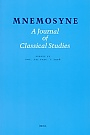
MNEMOSYNE
Fostering critical discourse in the classics and beyond.MNEMOSYNE is a prestigious academic journal published by BRILL, specializing in the fields of Archeology, Classics, History, Linguistics and Language, and Literature and Literary Theory. With a remarkable history dating back to its inception in 1948, this journal continues to be a crucial resource for scholars and researchers, spanning its publication years that extend to 2024. The journal boasts high rankings in multiple categories according to Scopus, including Q1 status in Classics and History, reflecting its impact and relevance in the academic community. Although it is not an Open Access journal, its selection of peer-reviewed articles ensures rigorous scholarship that contributes to ongoing discussions and discoveries in the humanities. By providing a platform for innovative research and critical discourse, MNEMOSYNE plays an integral role in advancing the understanding of cultural and historical contexts, making it an essential read for both seasoned academics and emerging scholars alike.