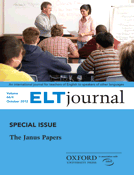
ELT Journal
metrics 2024
Fostering Excellence in Educational Psychology and Linguistics
Introduction
ELT Journal, published by Oxford University Press, is a premier academic journal dedicated to the fields of Educational Psychology, Linguistics, and Language, boasting an esteemed Q1 category ranking across these disciplines. Since its inception in 1946, the journal has served as a vital platform for researchers and educators, offering insights into English Language Teaching (ELT) and the evolving pedagogical practices that influence language acquisition and literacy development. With an impressive Scopus ranking placing it in the 95th percentile within the Arts and Humanities (Linguistics and Language), ELT Journal not only contributes to academic discourse but also bridges theoretical frameworks with practical applications in educational settings. Although it does not currently offer Open Access, the journal remains essential for professionals and students alike, eager to stay abreast of the latest research trends and innovations in the global ELT landscape. For those committed to advancing their understanding of language education, the journal's diverse range of articles and case studies provide invaluable resources.
Metrics 2024
 1.523.103.3072
Metrics History
Rank 2024
Scopus
IF (Web Of Science)
JCI (Web Of Science)
Quartile History
Similar Journals
Innovation in Language Learning and Teaching
Empowering Educators with Cutting-Edge Language Research.Innovation in Language Learning and Teaching is a premier peer-reviewed journal published by Routledge Journals, Taylor & Francis Ltd, focusing on the intersection of innovative practices in language education and teaching methodologies. With a notable impact factor reflected in its recent placement in the Q1 quartile for both Education and Linguistics and Language categories, this journal serves as a crucial resource for scholars and practitioners aiming to enhance pedagogical approaches and improve learning outcomes in language education. Spanning from 2009 to 2024, it showcases cutting-edge research that addresses contemporary challenges in the field, facilitating a deeper understanding of language acquisition, pedagogy, and curriculum development. The journal is indexed in Scopus, demonstrating its significant contribution to the academic community, with impressive ranks in both the Arts and Humanities as well as the Social Sciences categories. Although it follows a traditional subscription model, the journal is committed to disseminating high-quality research that fosters collaboration and discussion among researchers, educators, and students dedicated to advancing language learning and teaching practices.

TESOL Journal
Connecting Research to Real-World Language TeachingTESOL Journal, published by Wiley, is a premier academic journal dedicated to advancing the field of Teaching English to Speakers of Other Languages (TESOL). With an esteemed reputation reflected in its high impact factor and its Q1 ranking in both Education and Linguistics and Language categories for 2023, this journal serves as a critical resource for researchers, educators, and policy-makers. It covers a wide spectrum of topics related to language acquisition, pedagogical innovations, and educational strategies in TESOL, contributing significantly to the discourse around multilingualism and effective teaching practices. The journal is notable not only for its rigorous peer-review process but also for its commitment to disseminating high-quality research that informs and inspires practice in diverse educational settings. Interested readers can access articles through traditional subscription methods, ensuring that groundbreaking research is available to a broad audience. With converged years spanning from 2010 to 2024, TESOL Journal continues to evolve, making it a vital publication for anyone interested in the complexities of language education.
Language Teaching
Connecting researchers and practitioners in language teaching excellence.Language Teaching, published by Cambridge University Press, is a premier peer-reviewed journal that has been at the forefront of the linguistics and language education field since its inception in 1969. With an impressive impact factor positioning it in the top tier (Q1) of its category, this journal is ranked 22nd among 1,088 in the Arts and Humanities field and maintains an outstanding 98th percentile ranking. Focusing on innovative research and methodologies in language teaching and learning, Language Teaching provides a vital platform for discussing the latest developments in pedagogy, applied linguistics, and curriculum design. Although it does not offer open access options, it reaches a broad audience of researchers, educators, and practitioners dedicated to enhancing language instruction across various contexts. The journal continues to evolve, with plans to cover emerging trends and challenges in language education until 2024, making it an essential resource for anyone invested in the teaching of languages.
Language Teaching for Young Learners
Empowering educators to inspire young language learners.Language Teaching for Young Learners, published by John Benjamins Publishing Co, is a premier journal dedicated to enhancing the pedagogy of language acquisition in early childhood education. Since its inception in 2019, it has rapidly established itself within the research community, reflected by its high Scopus rankings—placing it in the 85th percentile for Language and Linguistics and the 84th percentile for Education. The journal aims to provide a platform for innovative research, practical insights, and theoretical discussions surrounding the teaching of languages to young learners, thus contributing significantly to the fields of Education and Linguistics. With an open access model currently unavailable, it caters to a diverse global audience, including researchers, educators, and policy-makers, keen on improving pedagogical practices. Located in the Netherlands, the journal's commitment to academic excellence is evident through its Q1 and Q2 rankings in Linguistics and Language and Education respectively, encouraging continual discourse in cultivating effective language education practices.

Journal of Asia TEFL
Fostering Scholarly Dialogue in Asian Language TeachingWelcome to the Journal of Asia TEFL, a leading peer-reviewed platform dedicated to exploring the intersections of English language education, linguistics, and the dynamic educational landscapes of Asian contexts. Published by ASIA TEFL in South Korea, this journal has emerged as a pivotal resource for academia since its inception in 2004, with consistently expanding influence reflected in its Scopus rankings, including a notable 76th percentile in Linguistics and Language. With a focus on the evolving methodologies and pedagogical innovations in English language teaching, the journal aims to foster scholarly discussions that enhance teaching practices and policy-making in a globalized world. Although it currently operates without open access, its rigor and relevance in categories such as Education and Linguistics ensure that it remains a valuable asset for researchers, educators, and students seeking to advance their knowledge and practice within this vital field of study.
Asian Englishes
Showcasing the Evolution of English Varieties in Asian ContextsAsian Englishes, published by Routledge Journals, Taylor & Francis Ltd, is a leading journal in the field of linguistics and language studies, showcasing diverse English varieties across Asia and their socio-cultural contexts. With an impressive impact factor, it ranks in the Q1 category for both Linguistics and Language disciplines, reflecting its exceptional contribution to the academic community. The journal serves as a vital platform for researchers, professionals, and students who seek to explore the complexities and evolving nature of English usage in Asian settings, providing insightful analyses and fostering scholarly discourse since its inception in 1998. Although not an open-access journal, Asian Englishes is highly regarded in prominent databases such as Scopus, where it ranks in the 90th percentile across multiple categories. The journal's commitment to advancing knowledge in language variation and change remains central to its objectives, making it an essential resource for those dedicated to understanding the dynamics of English in Asian contexts.
English Teaching-Practice and Critique
Elevating Pedagogy Through Rigorous Research and ReflectionEnglish Teaching-Practice and Critique is an esteemed journal published by Emerald Group Publishing Ltd, focusing on the interdisciplinary fields of Education and Linguistics. With a commitment to advancing knowledge and practice in English language teaching, the journal offers a platform for innovative research, critical reflections, and practical insights that are vital for educators, researchers, and students alike. The journal has established itself in the academic community, achieving a Q3 ranking in Education and a prestigious Q1 ranking in Linguistics and Language as of 2023, highlighting its impact and relevance. Although not an open-access journal, its curated content remains accessible to a global audience, facilitating meaningful discourse and development in English language education. The journal spans articles from 2008 to 2014 and 2016 to 2024, making it a valuable resource for ongoing scholarly dialogue and pedagogical advancement. It is particularly recognized within Scopus rankings, standing at the 76th percentile in Arts and Humanities as well as the 74th percentile in Social Sciences, underscoring its significance and standing in these domains.

Porta Linguarum
Unveiling the nuances of language through rigorous research.Porta Linguarum, published by UNIV GRANADA in Spain, is a pioneering journal dedicated to the fields of linguistics and language studies, with a dual focus on the educational implications and applications within these disciplines. Launched in 2008 and continuing its impactful contributions into 2024, the journal is recognized for its rigorous peer-reviewed articles that address contemporary language issues, pedagogical approaches, and linguistic research, evidenced by its notable rankings in the 2023 Scopus metrics. Porta Linguarum holds a distinguished Q1 classification in Linguistics and Language, alongside a respectable Q3 placement in Education, marking it as a valuable resource for academics and practitioners alike. With an impressive ranking of 231 out of 1088 in the Arts and Humanities category and a strong 78th percentile ranking for Language and Linguistics, this journal facilitates the exchange of innovative ideas and promotes scholarly discourse. Although currently not adopting an open access model, it remains an essential platform for advancing knowledge in linguistics and education.
Linguistics and Education
Exploring the Nexus of Language and LearningLinguistics and Education, published by Elsevier, is a premier journal dedicated to advancing the understanding of the intersections between linguistics and educational practices. With its ISSN 0898-5898 and E-ISSN 1873-1864, this journal has established itself as a significant platform since its inception in 1988, continuing to produce impactful research up to 2024. It enjoys a prestigious Q1 ranking in both the Education and Linguistics and Language categories, reflecting its high-quality contributions and leading role in the field. The journal’s Scopus rankings further underscore its influence, being placed in the 87th percentile for Arts and Humanities in Language and Linguistics, and the 86th percentile in Social Sciences in Linguistics and Language. Although it operates under traditional subscription access, its contributions are essential for researchers, professionals, and students alike, making substantial strides in the understanding of language, learning environments, and pedagogical strategies. The journal's objective is to foster interdisciplinary dialogue and disseminate innovative research that informs educational policy and practice.
CALICO Journal
Elevating Language Education through Research and Technology.CALICO Journal, published by EQUINOX PUBLISHING LTD, stands at the forefront of research in the intersection of technology and language education. With a prestigious history that spans from 1983 to 2024, this journal has been pivotal in advancing the field, earning high rankings in multiple categories, including Q1 in Education and Linguistics and Language, as well as Q2 in Computer Science Applications. Researchers and educators alike benefit from its wealth of articles that delve into innovative pedagogical strategies, the application of technology in language learning, and the exploration of linguistic theories. Although the journal is not currently open access, its impactful contributions are widely recognized, as evidenced by its strong Scopus rankings, placing it in the 88th percentile for Language and Linguistics. CALICO Journal remains an essential resource for those looking to enhance their practice and expand their knowledge in the dynamic fields of language learning and technology integration.