Eurasian Journal of Chemistry
metrics 2024
Diving into the Dynamic World of Chemistry
Introduction
Eurasian Journal of Chemistry is an emerging open-access journal published by KARAGANDA STATE UNIVERSITY in Kazakhstan. With a focus on the diverse and dynamic field of chemistry, this journal aims to disseminate cutting-edge research and innovative findings from various branches of chemistry, engaging a global audience of researchers, professionals, and students. Despite its recent inception in 2023, the journal is strategically positioned within the field, currently ranked in the fourth quartile of Scopus for General Chemistry, indicating its potential for growth and contribution to the scientific community. The ISSN of the journal is 2959-0663 with an electronic counterpart of 2959-0671, ensuring wide accessibility to its rich content. With an open-access model, the Eurasian Journal of Chemistry promotes the sharing of knowledge and advances in research to foster collaboration and inspiration across the globe.
Metrics 2024
 0.16--3
Metrics History
Rank 2024
Scopus
JCI (Web Of Science)
Quartile History
Similar Journals
Chemical Bulletin of Kazakh National University
Connecting Minds: Chemistry Without BordersThe Chemical Bulletin of Kazakh National University is a prominent open-access journal dedicated to advancing the field of chemistry. Published by AL-FARABI KAZAKH NATIONAL UNIVERSITY, this journal serves as a vital platform for disseminating original research, reviews, and innovative findings in diverse areas of chemistry since its transition to open access in 2012. With an ISSN of 1563-0331 and an E-ISSN of 2312-7554, the journal aims to reach a global audience, fostering knowledge exchange among researchers, professionals, and students in the scientific community. The publication seeks to promote high-quality research that contributes to the understanding and application of chemical sciences, particularly in the context of Kazakhstan and the broader Central Asian region. Given the journal's commitment to making research freely accessible, it stands as an invaluable resource for anyone engaged in the study and application of chemistry.

JACS Au
Advancing the frontiers of chemistry research.JACS Au, published by the American Chemical Society, is a premier open access journal dedicated to advancing research in the rapidly evolving fields of analytical chemistry, organic chemistry, and theoretical chemistry. Since its inception in 2021, JACS Au has quickly established itself as a leading platform for high-quality research, reflected in its Q1 rankings across multiple categories for 2023, including Organic Chemistry and Analytical Chemistry. The journal focuses on innovative methodologies and applications that drive the discipline forward, making it an essential resource for researchers, professionals, and students alike. With an impressive Scopus ranking, consistently placing in the top tiers of its categories, and offering a broad range of access options for its readership, JACS Au aims to foster collaboration and disseminate transformative ideas that impact the global scientific community. Exploring diverse topics within chemistry, this journal provides a vital conduit for sharing groundbreaking research and enhancing scientific dialogue.
RUSSIAN CHEMICAL REVIEWS
Unveiling Innovations in Chemistry, One Review at a TimeRUSSIAN CHEMICAL REVIEWS, published by the esteemed ND Zelinsky Institute of Organic Chemistry, RAS, stands as a prominent platform for disseminating high-quality research in the diverse field of chemistry. With an ISSN of 0036-021X and an E-ISSN of 1468-4837, this journal has earned its place in the Q1 quartile of Chemistry (miscellaneous) for 2023, reflecting its outstanding impact and rigorous peer-review process. The journal encompasses a wide array of topics within chemistry, providing critical reviews that advance understanding and foster collaboration among researchers, professionals, and students globally. With its consistent publication since 1970, RUSSIAN CHEMICAL REVIEWS not only serves as a valuable resource for the latest advancements in the field but also plays a crucial role in shaping future research directions. The journal is based in the Russian Federation, with its office located at 47 Leninsky Pr, Moscow 119991, RUSSIA. As an essential reference for those in the chemical sciences, it provides an ideal avenue for authors looking to publish impactful reviews that contribute to the broader scientific community.
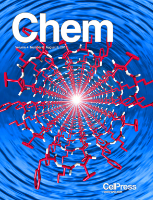
Chem
Leading the Charge in Open Access Chemical ResearchChem, published by CELL PRESS, is a renowned academic journal that has rapidly established itself as a leading platform for cutting-edge research in diverse areas such as biochemistry, chemical engineering, materials chemistry, and environmental chemistry. Released under the ISSN 2451-9294, this esteemed journal has achieved an impressive Q1 category ranking across multiple disciplines in 2023, highlighting its significant impact and prominence within the academic community. With a strong focus on innovative studies and interdisciplinary approaches, Chem fosters a vibrant dialogue among researchers, professionals, and students, making it an indispensable resource for those seeking to advance their knowledge and contribute to the evolving field of chemistry. As an open access journal, it aims to democratize knowledge, ensuring that critical research is accessible to a global audience. With its headquarters based in Cambridge, MA, it continues to lead the charge in the dissemination of pivotal findings that shape our understanding of chemical sciences.
Journal of Chemistry and Technologies
Advancing Chemistry, Inspiring Innovation.The Journal of Chemistry and Technologies, published by OLES HONCHAR DNIPROPETROVSK NATIONAL UNIVERSITY, is an open access journal dedicated to advancing knowledge in the broad fields of chemistry and chemical engineering since its inception in 2013. With ISSN 2663-2934 and E-ISSN 2663-2942, this journal provides a vital platform for researchers and professionals, particularly in Ukraine and beyond, to share innovative research findings and contemporary technological advancements. Currently ranked in the Q4 quartile in both Chemical Engineering and General Chemistry for 2023, it serves as an enriching resource for those interested in emerging trends and interdisciplinary studies within these domains. The journal adheres to high academic standards while fostering collaboration in the scientific community by offering open access articles that ensure visibility and accessibility to a global audience. As an important part of the academic landscape, the Journal of Chemistry and Technologies aims to inspire future research and development, paving the way for new discoveries and applications in chemistry-related fields.
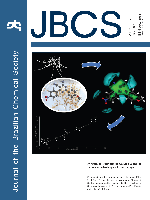
JOURNAL OF THE BRAZILIAN CHEMICAL SOCIETY
Unlocking Potential: A Hub for the Latest in Chemical ResearchThe Journal of the Brazilian Chemical Society (ISSN: 0103-5053; E-ISSN: 1678-4790), published by the Sociedade Brasileira de Química, stands as a prominent outlet for disseminating high-quality research in the field of chemistry. Since its establishment as an Open Access journal in 1990, it has been committed to providing unrestricted access to innovative findings and discussions that propel the advancement of chemical sciences globally. Located in the vibrant research landscape of Brazil, this journal aims to showcase a wide range of topics including analytical, organic, inorganic, and physical chemistry, among others, catering to a diverse audience of researchers, professionals, and students alike. The journal holds a noteworthy distinction with a Q3 quartile ranking in the field of miscellaneous chemistry for 2023 and is indexed in Scopus, reflecting its growing influence in the academic community. With a publication cycle that spans continuously from 1990 through 2024, it serves as a vital resource for anyone seeking to stay informed about the latest trends and breakthroughs in chemistry.
Eurasian Chemico-Technological Journal
Empowering Scholars to Transform Chemical Engineering and Materials ScienceEurasian Chemico-Technological Journal, published by the Institute of Higher Education Academy of Sciences in Kazakhstan, serves as a dynamic platform for scholars and professionals engaged in the interdisciplinary fields of chemical engineering, chemistry, condensed matter physics, and materials science. Since its inception in 1999, the journal has embraced an open access model, enabling broad dissemination of research findings and fostering collaborative innovation across borders. With an ISSN of 1562-3920 and a converged publication schedule extending from 2007 to 2024, it continues to contribute to the global academic dialogue, despite its current standing in Q4 quartiles across several categories on Scopus. The journal ranks in the lower percentiles within its respective fields, yet it remains a valuable resource for emerging research and perspectives within the scientific community. This journal is essential for both seasoned researchers and students, as it reflects the evolving landscape of chemico-technological research while promoting engagement with contemporary issues in the sciences.
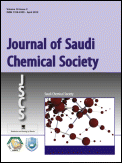
Journal of Saudi Chemical Society
Elevating Research Standards in the Chemistry Community.The Journal of Saudi Chemical Society, published by ELSEVIER, stands as a premier platform for advancing knowledge in the field of chemistry. Since its inception in 2009, this Open Access journal has garnered significant attention, securing a prestigious Q1 ranking in the Chemistry (miscellaneous) category for 2023, reflecting its position among the top journals in the discipline. With an impressive Scopus ranking of #66 out of 408 in General Chemistry, this journal boasts a commendable 83rd percentile, underscoring its impact and relevance in the global research community. The journal aims to disseminate high-quality research articles, reviews, and case studies, fostering innovation and collaboration among chemists and allied professionals. By enabling widespread access to cutting-edge research, the Journal of Saudi Chemical Society plays a crucial role in supporting the educational and professional development of students, researchers, and practitioners alike, making it an essential resource for anyone invested in the dynamic field of chemistry.
JOURNAL OF CHEMICAL SCIENCES
Empowering Chemists: Open Access to Scientific ExcellenceThe JOURNAL OF CHEMICAL SCIENCES, published by the Indian Academy of Sciences, is a premier academic journal that serves the global community of chemists and researchers. With an ISSN of 0974-3626 and an E-ISSN of 0973-7103, this journal is pivotal in disseminating high-quality research across diverse areas of chemical sciences. As of 2023, it holds a respectable Q3 ranking in the field of Chemistry (miscellaneous) and ranks #215 out of 408 in General Chemistry according to Scopus, reflecting its commitment to advancing the discipline. Operating in an open-access format, the journal ensures that research findings are readily accessible to a broader audience, fostering collaboration and innovation. Established in 1980 and continuing to evolve, the journal's scope encompasses fundamental and applied chemistry, and aims to bridge gaps between theoretical and practical applications. With a mission to support the scientific community, the JOURNAL OF CHEMICAL SCIENCES is an essential resource for researchers, professionals, and students alike, providing a platform for the exchange of groundbreaking ideas and discoveries.
AUSTRALIAN JOURNAL OF CHEMISTRY
Exploring the frontiers of chemistry since 1948.The Australian Journal of Chemistry, with an ISSN of 0004-9425 and an E-ISSN of 1445-0038, is a distinguished publication from CSIRO PUBLISHING, dedicated to advancing the field of chemistry since its inception in 1948. Based in Australia, this journal serves as a platform for original research articles, reviews, and innovative studies that encompass a wide spectrum of chemical disciplines, aiming to foster communication and collaboration among researchers globally. Despite its Q3 ranking in the Chemistry (Miscellaneous) category and standing at rank #236 in Scopus’ general chemistry classification, it remains an essential resource for professionals and students seeking to stay informed about emerging trends and discoveries in chemistry. The journal does not offer open access, emphasizing the premium quality of peer-reviewed content that adheres to rigorous academic standards. By bridging theory and practice, the Australian Journal of Chemistry continues to play a crucial role in shaping the future of chemical sciences.